Welcome to our blog. We are a professional manufacturer specializing in high-performance PVC and PP-R piping systems, delivering integrated solutions for municipal engineering, building infrastructure, and residential hot and cold water applications worldwide.
👉 Follow us on Facebook for the latest product updates, technical insights, and real-world project cases.
👉 If you have project requirements or need a quotation, feel free to contact our team for fast response and customized pipeline solutions.
Please continue reading our blog for more industry insights, engineering expertise, and product innovations in advanced piping systems.
Table of Contents
Key Takeaways
- Learn how heating pipelines form the backbone of modern heating systems.
- Understand the differences between PE-RT, oxygen barrier, anti-scaling, and graphene heating pipes.
- Explore international standards governing heating pipeline performance and safety.
- Compare underfloor heating, radiator heating, and district heating systems.
- Discover how oxygen barrier technology extends system lifespan.
- Understand the relationship between pipe material selection and energy efficiency.
- Learn common installation mistakes and how to avoid them.
- Explore real-world applications in residential, commercial, and industrial buildings.
- Review emerging technologies shaping the future of heating pipelines.
- Find answers to common buyer and engineering questions.
Introduction
Imagine investing in a high-efficiency boiler, advanced heat pump, or state-of-the-art renewable heating system, only to lose a significant portion of that energy before it reaches the room. This is exactly why heating pipelines have become one of the most important components in modern building engineering.
Across Europe, North America, and Asia, governments are introducing stricter energy-efficiency regulations while building owners are seeking ways to reduce operating costs. According to data published by international energy agencies, heating and cooling account for approximately 50% of total building energy consumption globally. Even small improvements in thermal distribution efficiency can result in substantial energy savings over the lifespan of a building.
Modern heating pipelines are no longer simple conduits for transporting hot water. Today’s systems incorporate advanced polymer materials, oxygen barrier technology, anti-scaling structures, graphene-enhanced thermal conductivity, and intelligent monitoring capabilities. These innovations help improve efficiency, reduce maintenance costs, and support sustainability goals.
Whether you are a contractor, distributor, engineer, developer, facility manager, or homeowner, understanding heating pipelines is essential for achieving long-term heating performance and energy efficiency.
What Are Heating Pipelines?
Heating Pipeline Definition
Heating pipelines are specialized piping systems designed to transport heated water or thermal transfer fluids from a heat source to heating terminals throughout a building or district heating network.
Unlike conventional water supply pipes, heating pipelines must withstand:
- Continuous thermal cycling
- Elevated operating temperatures
- Pressure fluctuations
- Long-term mechanical stress
- Chemical interactions within circulating water
Their role is to ensure efficient thermal energy delivery while minimizing heat loss and maintaining system reliability.
Core Functions of Heating Pipelines
Heat Transfer Function
The primary purpose of heating pipelines is transporting thermal energy from:
- Boilers
- Heat pumps
- Solar thermal systems
- Combined heat and power plants
- District heating stations
to end-use heating equipment.
System Protection Function
Modern heating pipelines also protect heating systems by:
- Preventing oxygen infiltration
- Reducing scaling buildup
- Minimizing corrosion risks
- Maintaining stable water circulation
Evolution of Heating Pipelines
Traditional Metal Heating Pipes
Historically, heating systems relied on:
- Steel pipes
- Galvanized steel pipes
- Copper pipes
- Cast iron distribution systems
While durable, these materials often suffered from:
- Corrosion
- Scale accumulation
- Heavy installation requirements
- High maintenance costs
Modern Polymer-Based Heating Pipelines
The development of advanced polymers revolutionized heating infrastructure.
Today’s materials include:
- PE-RT
- PEX
- PE-Xa
- PE-Xb
- Composite multilayer pipes
- Graphene-enhanced materials
These solutions provide superior flexibility, corrosion resistance, and service life.
Types of Heating Pipelines
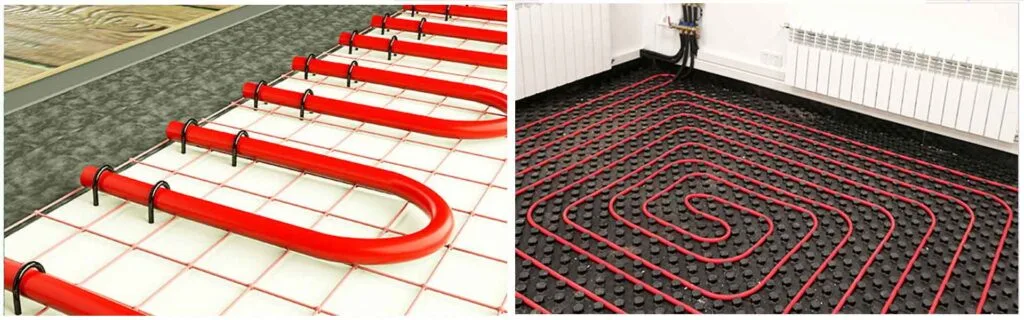
Underfloor Heating Pipelines
Radiant Comfort Concept
Underfloor heating distributes warmth evenly through floor surfaces.
Benefits include:
- Uniform temperature distribution
- Reduced energy consumption
- Improved comfort
- Better indoor air quality
Research indicates that radiant floor heating systems can achieve comparable comfort levels while operating at lower water temperatures than conventional radiator systems.
Radiator Heating Pipelines
Traditional Heat Distribution
Radiator systems remain common in residential and commercial buildings.
Advantages include:
- Proven reliability
- Easier retrofitting
- Lower initial installation complexity
District Heating Pipelines
Centralized Energy Network Concept
District heating systems transport thermal energy from centralized plants to multiple buildings.
Typical heat sources include:
- Biomass plants
- Waste-to-energy facilities
- Combined heat and power stations
- Geothermal energy facilities
District heating is particularly common in Northern Europe and rapidly growing in Asia.
International Standards for Heating Pipelines
ISO Standards
Several international standards govern heating pipeline performance.
Examples include:
- ISO 10508 for plastic piping systems
- ISO 15875 for crosslinked polyethylene piping
- ISO 22391 for PE-RT piping systems
These standards evaluate:
- Temperature resistance
- Pressure resistance
- Long-term hydrostatic strength
- Durability performance
European Standards
Widely recognized standards include:
- EN ISO 22391
- EN 1264 for underfloor heating systems
- EN 253 for district heating pipelines
Building Certification Requirements
Many green building certifications evaluate heating system efficiency.
Examples include:
- LEED
- BREEAM
- WELL Building Standard
Efficient heating pipelines contribute to achieving certification points.
PE-RT Heating Pipelines
Understanding PE-RT Technology
PE-RT stands for Polyethylene of Raised Temperature Resistance.
The material offers:
- Excellent flexibility
- Good weldability
- High impact resistance
- Long service life
Temperature Performance
Modern PE-RT heating pipelines can withstand:
- Continuous operation at 70°C
- Short-term exposure up to 110°C
This makes them suitable for most residential and commercial heating applications.
Why Contractors Prefer PE-RT
PE-RT pipelines simplify installation due to their flexibility and resistance to cracking.
Benefits include:
- Faster installation
- Reduced fittings
- Lower labor costs
- Improved project efficiency
Oxygen Barrier Heating Pipelines
The Oxygen Infiltration Problem
Corrosion Mechanism
Oxygen entering a heating system can trigger oxidation processes that affect:
- Boilers
- Valves
- Pumps
- Heat exchangers
Even small amounts of oxygen can accelerate equipment degradation.
How Oxygen Barrier Technology Works
Modern heating pipelines often incorporate EVOH oxygen barrier layers.
These layers dramatically reduce oxygen permeability and help maintain system integrity.
Benefits of Oxygen Barrier Technology
System Longevity Concept
Advantages include:
- Extended equipment lifespan
- Reduced maintenance costs
- Improved circulation efficiency
- Enhanced system reliability
Many engineers consider oxygen barrier protection essential for modern closed-loop heating systems.
Anti-Scaling Heating Pipelines
Understanding Scale Formation
Scale forms when dissolved minerals precipitate from heated water.
Common minerals include:
- Calcium carbonate
- Magnesium compounds
- Silica deposits
Impact of Scaling
Scaling can cause:
- Reduced flow rates
- Increased energy consumption
- Lower heat transfer efficiency
- Equipment damage
Anti-Scaling Technology Benefits
Modern anti-scaling pipelines feature smoother internal surfaces that help reduce deposit accumulation and maintain optimal system performance.
Graphene Heating Pipelines
Why Graphene Is Transforming Heating Systems
Graphene has attracted significant attention across multiple industries due to its remarkable properties.
These include:
- Exceptional thermal conductivity
- High mechanical strength
- Chemical stability
- Durability
Thermal Performance Advantages
Graphene-enhanced heating pipelines may provide:
- Faster heat transmission
- Improved temperature uniformity
- Reduced heat loss
Durability Improvements
Graphene structures improve:
- Crack resistance
- Pressure resistance
- Aging resistance
- Long-term stability
Comparison of Heating Pipeline Materials
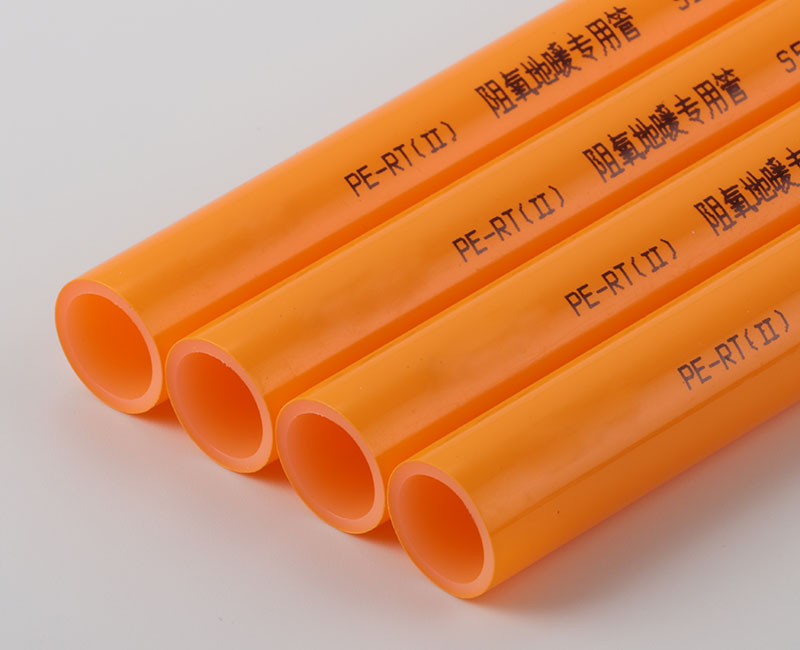
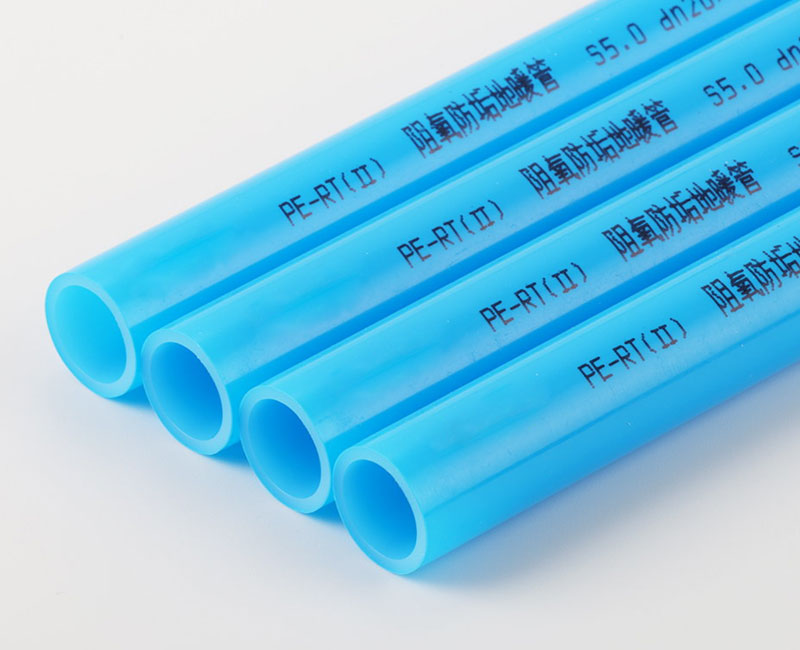
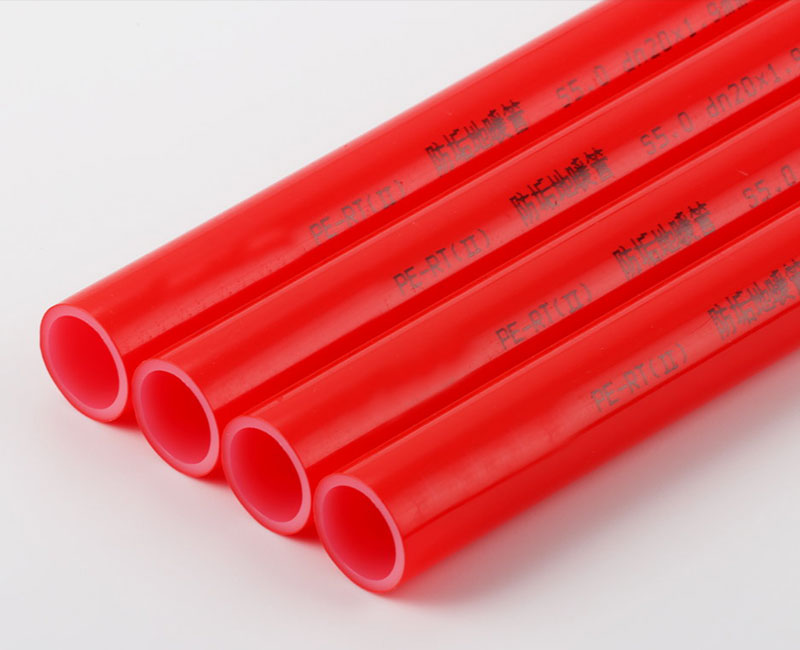
| Feature | PE-RT | Oxygen Barrier PE-RT | Graphene PE-RT |
|---|---|---|---|
| Flexibility | Excellent | Excellent | Excellent |
| Oxygen Protection | Standard | Excellent | Excellent |
| Thermal Conductivity | Good | Good | Superior |
| Scaling Resistance | Good | Excellent | Excellent |
| Service Life | 50 Years+ | 50 Years+ | 50 Years+ |
| Installation Efficiency | High | High | High |
| Maintenance Needs | Low | Very Low | Very Low |
Heating Pipelines and Energy Efficiency
Heat Loss Reduction
Properly designed heating pipelines reduce thermal losses throughout the distribution system.
Energy savings can be achieved through:
- Insulation optimization
- Proper pipe sizing
- Efficient circulation design
Low-Temperature Heating Systems
Modern heat pumps operate most efficiently at lower temperatures.
Heating pipelines support:
- 35–45°C underfloor heating
- Renewable energy integration
- Reduced operating costs
Smart Heating Pipeline Technology
Digital Monitoring Systems
Advanced monitoring solutions can track:
- Water temperature
- Pressure levels
- Flow rates
- Energy consumption
Predictive Maintenance
Smart systems help identify:
- Potential leaks
- Abnormal pressure changes
- Flow restrictions
- Equipment degradation
before failures occur.
Applications of Heating Pipelines
Residential Buildings
Applications include:
- Apartments
- Villas
- Residential complexes
- Smart homes
Commercial Buildings
Used extensively in:
- Hotels
- Hospitals
- Universities
- Shopping centers
- Office towers
Industrial Facilities
Industrial heating systems rely on heating pipelines for:
- Process heating
- Equipment temperature control
- Thermal energy distribution
Case Study: Modern Residential Heating Project
Project Overview
A residential development adopted oxygen barrier PE-RT heating pipelines combined with underfloor heating technology.
Results
Benefits included:
- Improved thermal comfort
- Reduced maintenance requirements
- Lower energy consumption
- Enhanced system lifespan
The project demonstrated how advanced pipeline technology can improve both performance and operational efficiency.
Future Trends in Heating Pipelines
Renewable Energy Integration
Future heating systems will increasingly connect with:
- Solar thermal collectors
- Geothermal systems
- Air-source heat pumps
Carbon Reduction Initiatives
Many countries are implementing policies aimed at reducing building carbon emissions.
Efficient heating pipelines contribute directly to these goals.
Advanced Material Development
Emerging innovations include:
- Nanomaterial-enhanced polymers
- Self-monitoring pipelines
- Smart leak detection systems
- Improved thermal conductivity materials
Common Buyer Questions
Which heating pipeline is best for underfloor heating?
PE-RT oxygen barrier pipelines are among the most widely used solutions due to their balance of flexibility, durability, and corrosion protection.
Do oxygen barrier pipes really matter?
Yes. They significantly reduce oxygen infiltration, helping protect metal system components and extending equipment lifespan.
Are graphene heating pipelines worth the investment?
Projects seeking higher thermal efficiency and enhanced durability may benefit from graphene-enhanced pipeline technology.
How long do modern heating pipelines last?
Most high-quality systems are engineered for service lives exceeding 50 years when installed and operated correctly.
Can heating pipelines work with renewable energy systems?
Absolutely. Modern heating pipelines are commonly integrated with solar thermal systems, geothermal systems, and heat pumps.
Conclusion
Heating pipelines have evolved into sophisticated engineering solutions that support energy-efficient, reliable, and sustainable heating systems. From PE-RT and oxygen barrier technologies to graphene-enhanced materials, modern pipeline systems offer significant improvements in durability, efficiency, and operational performance.
As buildings continue to pursue higher energy standards and lower carbon footprints, selecting the right heating pipeline solution will play an increasingly important role in achieving long-term heating efficiency, occupant comfort, and system reliability.
FAQ
What are heating pipelines used for?
Heating pipelines transport thermal energy throughout heating systems in residential, commercial, and industrial buildings.
What material is best for heating pipelines?
PE-RT oxygen barrier pipelines are widely regarded as one of the best options for modern heating applications.
How long do heating pipelines last?
Most modern heating pipelines have an expected service life of more than 50 years.
Why is oxygen barrier technology important?
It prevents oxygen infiltration, reducing corrosion and extending the lifespan of heating equipment.
Are heating pipelines energy efficient?
Yes. Modern heating pipelines help reduce heat loss and improve overall system efficiency.
Can heating pipelines be installed in cold climates?
Yes. High-quality heating pipelines are specifically designed to withstand low-temperature transportation, installation, and operation conditions.