Bienvenido a nuestro blog. Somos un fabricante profesional especializado en sistemas de tuberías de PVC y PP-R de alto rendimiento, que ofrece soluciones integradas para aplicaciones de ingeniería municipal, infraestructura de construcción y agua fría y caliente residencial en todo el mundo.
👉 Síguenos en Facebook para obtener las últimas actualizaciones de productos, conocimientos técnicos y casos de proyectos del mundo real.
👉 Si tiene requisitos de proyecto o necesita una cotización, no dude en hacerlo contacta con nuestro equipo para una respuesta rápida y soluciones de canalizaciones personalizadas.
Continúe leyendo nuestro blog para obtener más información sobre la industria, experiencia en ingeniería e innovaciones de productos en sistemas de tuberías avanzados.
Tabla de contenidos
Conclusiones clave
- Descubra cómo las tuberías de calefacción forman la columna vertebral de los sistemas de calefacción modernos.
- Comprenda las diferencias entre PE-RT, barrera de oxígeno, antiescalado y tuberías de calentamiento de grafeno.
- Explore los estándares internacionales que rigen el rendimiento y la seguridad de las tuberías de calefacción.
- Compare sistemas de calefacción por suelo radiante, calefacción por radiadores y calefacción urbana.
- Descubra cómo la tecnología de barrera al oxígeno prolonga la vida útil del sistema.
- Comprender la relación entre la selección del material de las tuberías y la eficiencia energética.
- Aprenda los errores de instalación comunes y cómo evitarlos.
- Explore aplicaciones del mundo real en edificios residenciales, comerciales e industriales.
- Revisar las tecnologías emergentes que dan forma al futuro de las tuberías de calefacción.
- Encuentre respuestas a preguntas comunes sobre compradores e ingeniería.
Introducción
Imagínese invertir en una caldera de alta eficiencia, una bomba de calor avanzada o un sistema de calefacción renovable de última generación, sólo para perder una parte significativa de esa energía antes de que llegue a la habitación. Precisamente por eso las tuberías de calefacción se han convertido en uno de los componentes más importantes de la ingeniería de edificios moderna.
En toda Europa, América del Norte y Asia, los gobiernos están introduciendo regulaciones de eficiencia energética más estrictas mientras los propietarios de edificios buscan formas de reducir los costos operativos. Según datos publicados por agencias internacionales de energía, la calefacción y la refrigeración representan aproximadamente el 50% del consumo total de energía de los edificios a nivel mundial. Incluso pequeñas mejoras en la eficiencia de la distribución térmica pueden generar ahorros sustanciales de energía durante la vida útil de un edificio.
Las tuberías de calefacción modernas ya no son simples conductos para transportar agua caliente. Los sistemas actuales incorporan materiales poliméricos avanzados, tecnología de barrera de oxígeno, estructuras antiescalado, conductividad térmica mejorada con grafeno y capacidades de monitoreo inteligente. Estas innovaciones ayudan a mejorar la eficiencia, reducir los costos de mantenimiento y respaldar los objetivos de sostenibilidad.
Ya sea contratista, distribuidor, ingeniero, desarrollador, administrador de instalaciones o propietario de una vivienda, comprender las tuberías de calefacción es esencial para lograr un rendimiento de calefacción y eficiencia energética a largo plazo.
¿qué son las tuberías de calefacción?
Definición de tubería de calefacción
Tuberías de calefacción son sistemas de tuberías especializados diseñados para transportar agua caliente o fluidos de transferencia térmica desde una fuente de calor a terminales de calefacción a lo largo de un edificio o red de calefacción urbana.
A diferencia de las tuberías de suministro de agua convencionales, las tuberías de calefacción deben resistir:
- Ciclo térmico continuo
- Temperaturas de funcionamiento elevadas
- Fluctuaciones de presión
- Estrés mecánico a largo plazo
- Interacciones químicas dentro del agua circulante
Su función es garantizar un suministro eficiente de energía térmica minimizando al mismo tiempo la pérdida de calor y manteniendo la confiabilidad del sistema.
Funciones principales de las tuberías de calefacción
Función de transferencia de calor
El objetivo principal de las tuberías de calefacción es transportar energía térmica desde:
- Calderas
- Bombas de calor
- Sistemas solares térmicos
- Plantas combinadas de calor y energía
- Estaciones de calefacción urbana
para equipos de calefacción de uso final.
Función de protección del sistema
Las tuberías de calefacción modernas también protegen los sistemas de calefacción mediante:
- Prevenir la infiltración de oxígeno
- Reducir la acumulación de escala
- Minimizar los riesgos de corrosión
- Mantener una circulación estable del agua
Evolución de las tuberías de calefacción
Tuberías de calefacción metálicas tradicionales
Históricamente, los sistemas de calefacción dependían de:
- Tuberías de acero
- Tuberías de acero galvanizado
- Tuberías de cobre
- Sistemas de distribución de hierro fundido
Si bien son duraderos, estos materiales a menudo adolecían de:
- Corrosión
- Acumulación de escala
- Requisitos de instalación pesados
- Altos costos de mantenimiento
Modernas tuberías de calefacción a base de polímeros
El desarrollo de polímeros avanzados revolucionó la infraestructura de calefacción.
Los materiales de hoy incluyen:
- PE-RT
- PEX
- PE-Xa
- PE-Xb
- Tuberías multicapa compuestas
- Materiales mejorados con grafeno
Estas soluciones proporcionan flexibilidad, resistencia a la corrosión y vida útil superiores.
Tipos de Tuberías de Calefacción
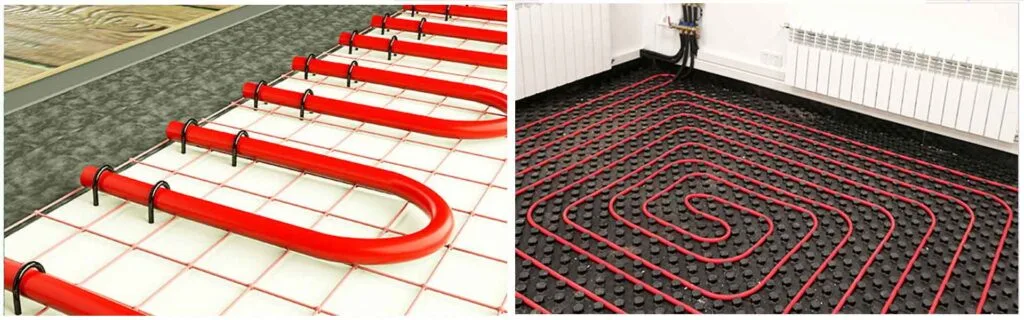
Tuberías de calefacción por suelo radiante
Concepto de confort radiante
La calefacción por suelo radiante distribuye el calor de manera uniforme a través de las superficies del suelo.
Beneficiile includ:
- Distribución uniforme de la temperatura
- Reducción del consumo de energía
- Comodidad mejorada
- Mejor calidad del aire interior
Las investigaciones indican que los sistemas de calefacción por suelo radiante pueden alcanzar niveles de confort comparables mientras funcionan a temperaturas del agua más bajas que los sistemas de radiadores convencionales.
Tuberías de calefacción por radiador
Distribución de calor tradicional
Los sistemas de radiadores siguen siendo comunes en edificios residenciales y comerciales.
Ventajas incluyen:
- Fiabilidad probada
- Modernización más fácil
- Menor complejidad de instalación inicial
Tuberías de calefacción urbana
Concepto de Red Energética Centralizada
Los sistemas de calefacción urbana transportan energía térmica desde plantas centralizadas a múltiples edificios.
Las fuentes de calor típicas incluyen:
- Plantas de biomasa
- Instalaciones de conversión de residuos en energía
- Centrales combinadas de calor y electricidad
- Instalaciones de energía geotérmica
La calefacción urbana es particularmente común en el norte de Europa y crece rápidamente en Asia.
Normas Internacionales para Tuberías de Calefacción
Estándares ISO
Varias normas internacionales rigen el rendimiento de las tuberías de calefacción.
Ejemplos incluyen:
- ISO 10508 para sistemas de tuberías de plástico
- ISO 15875 para tuberías de polietileno reticulado
- ISO 22391 para sistemas de tuberías PE-RT
Estos estándares evalúan:
- Resistencia a la temperatura
- Resistencia a la presión
- Resistencia hidrostática a largo plazo
- Rendimiento duradero
Normas europeas
Estándares ampliamente reconocidos incluyen:
- EN ISO 22391
- EN 1264 para sistemas de calefacción por suelo radiante
- EN 253 para tuberías de calefacción urbana
Requisitos de certificación de edificios
Muchas certificaciones de edificios ecológicos evalúan la eficiencia del sistema de calefacción.
Ejemplos incluyen:
- LEED
- BREEAM
- Estándar de construcción WELL
Las tuberías de calefacción eficientes contribuyen a alcanzar los puntos de certificación.
Tuberías de calefacción PE-RT
Comprensión de la tecnología PE-RT
PE-RT significa polietileno de resistencia a temperaturas elevadas.
El material ofrece:
- Excelente flexibilidad
- Buena soldabilidad
- Alta resistencia al impacto
- Larga vida útil
Rendimiento de temperatura
Las tuberías de calefacción PE-RT modernas pueden soportar:
- Funcionamiento continuo a 70°C
- Exposición a corto plazo hasta 110°C
Esto los hace adecuados para la mayoría de las aplicaciones de calefacción residencial y comercial.
Por qué los contratistas prefieren PE-RT
Las tuberías PE-RT simplifican la instalación debido a su flexibilidad y resistencia al agrietamiento.
Beneficiile includ:
- Instalación más rápida
- Accesorios reducidos
- Menores costos laborales
- Mejora de la eficiencia del proyecto
Tuberías de calefacción con barrera de oxígeno
El problema de la infiltración de oxígeno
Mecanismo de corrosión
El oxígeno que ingresa a un sistema de calefacción puede desencadenar procesos de oxidación que afectan:
- Calderas
- Válvulas
- Bombas
- Intercambiadores de calor
Incluso pequeñas cantidades de oxígeno pueden acelerar la degradación de los equipos.
Cómo funciona la tecnología de barrera de oxígeno
Las tuberías de calefacción modernas suelen incorporar capas de barrera de oxígeno EVOH.
Estas capas reducen drásticamente la permeabilidad al oxígeno y ayudan a mantener la integridad del sistema.
Beneficios de la tecnología de barrera de oxígeno
Concepto de longevidad del sistema
Ventajas incluyen:
- Vida útil prolongada del equipo
- Reducción de costes de mantenimiento
- Mejora de la eficiencia de la circulación
- Fiabilidad mejorada del sistema
Muchos ingenieros consideran que la protección contra barreras de oxígeno es esencial para los modernos sistemas de calefacción de circuito cerrado.
Tuberías de calefacción antiescalado
Comprensión de la formación de escalas
Las incrustaciones se forman cuando los minerales disueltos precipitan del agua calentada.
Minerale comune includ:
- Carbonato de calcio
- Compuestos de magnesio
- Depósitos de sílice
Impacto de la escala
Scalarea poate cauză:
- Caudales reducidos
- Mayor consumo de energía
- Menor eficiencia de transferencia de calor
- Daños en el equipo
Beneficios de la tecnología antiescala
Las tuberías modernas antiescalado cuentan con superficies internas más suaves que ayudan a reducir la acumulación de depósitos y mantener un rendimiento óptimo del sistema.
Tuberías de calefacción de grafeno
Por qué el grafeno está transformando los sistemas de calefacción
El grafeno ha atraído una atención significativa en múltiples industrias debido a sus notables propiedades.
Estos incluyen:
- Conductividad térmica excepcional
- Alta resistencia mecánica
- Estabilidad química
- Durabilidad
Ventajas del rendimiento térmico
Las tuberías de calefacción mejoradas con grafeno pueden proporcionar:
- Transmisión de calor más rápida
- Uniformidad de temperatura mejorada
- Reducción de la pérdida de calor
Mejoras en durabilidad
Las estructuras del grafeno mejoran:
- Resistencia a las grietas
- Resistencia a la presión
- Resistencia al envejecimiento
- Estabilidad a largo plazo
Comparación de materiales de tuberías de calefacción
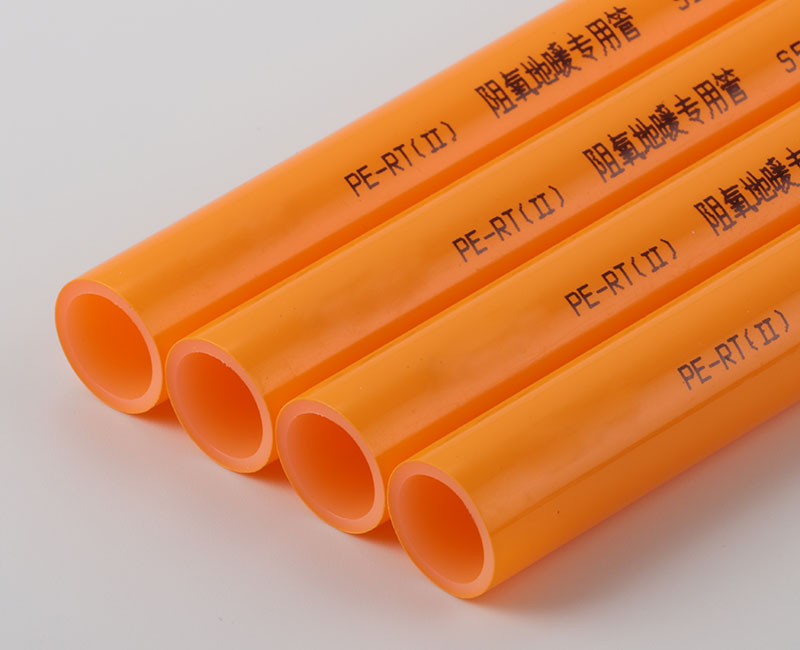
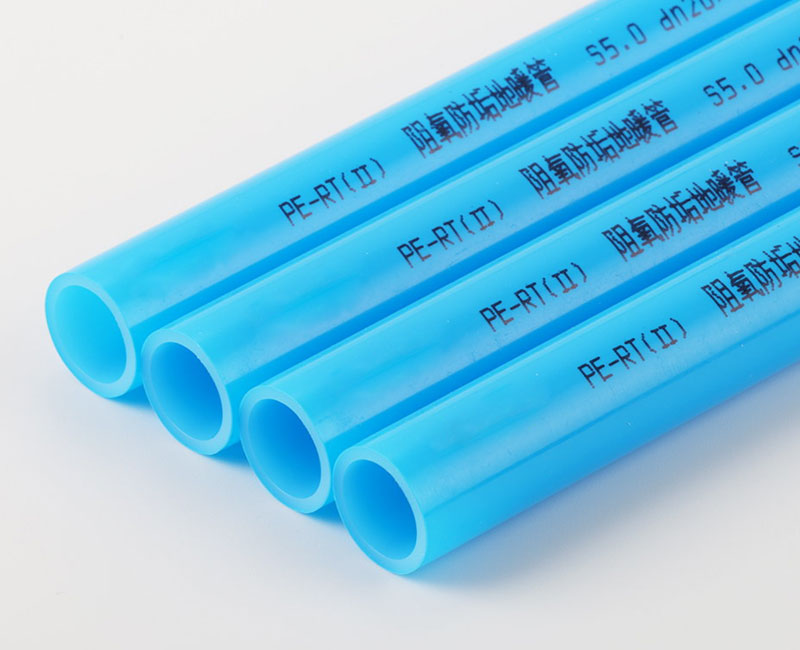
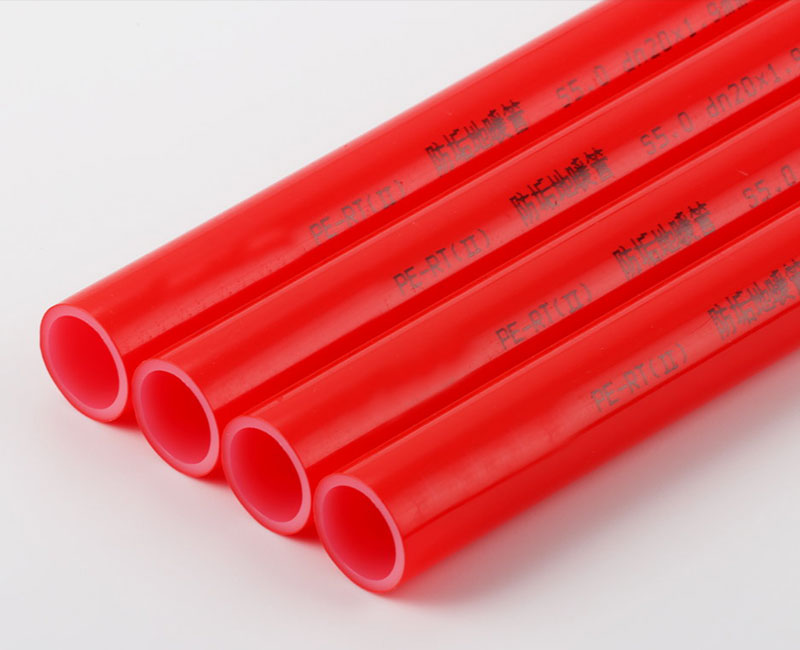
| Característica | PE-RT | Barrera de oxígeno PE-RT | Grafeno PE-RT |
|---|---|---|---|
| Flexibilidad | Excelente | Excelente | Excelente |
| Protección contra oxígeno | Estándar | Excelente | Excelente |
| Conductividad térmica | Bien | Bien | Superior |
| Resistencia a la escala | Bien | Excelente | Excelente |
| Vida de servicio | 50 años+ | 50 años+ | 50 años+ |
| Eficiencia de instalación | Alto | Alto | Alto |
| Necesidades de mantenimiento | Bajo | Muy bajo | Muy bajo |
Tuberías de Calefacción y Eficiencia Energética
Reducción de pérdida de calor
Las tuberías de calefacción correctamente diseñadas reducen las pérdidas térmicas en todo el sistema de distribución.
El ahorro energético se puede conseguir mediante:
- Optimización del aislamiento
- Dimensionamiento adecuado de la tubería
- Diseño de circulación eficiente
Sistemas de calefacción de baja temperatura
Las bombas de calor modernas funcionan de manera más eficiente a temperaturas más bajas.
Soporte de tuberías de calefacción:
- Calefacción por suelo radiante de 35-45°C
- Integración de energías renovables
- Costos operativos reducidos
Tecnología de tuberías de calefacción inteligente
Sistemas de Monitoreo Digital
Las soluciones de monitoreo avanzadas pueden realizar un seguimiento:
- Temperatura del agua
- Niveles de presión
- Tasas de flujo
- Consumo de energía
Mantenimiento predictivo
Los sistemas inteligentes ayudan a identificar:
- Posibles fugas
- Cambios anormales de presión
- Restricciones de flujo
- Degradación de equipos
antes de que ocurran fallas.
Aplicaciones de las Tuberías de Calefacción
Edificios residenciales
Aplicaciones incluyen:
- Apartamentos
- Villas
- Complejos residenciales
- Casas inteligentes
Edificios Comerciales
Utilizado ampliamente en:
- Hoteles
- Hospitales
- Universidades
- Centros comerciales
- Torres de oficinas
Instalaciones Industriales
Los sistemas de calefacción industriales dependen de tuberías de calefacción para:
- Calentamiento de procesos
- Control de temperatura del equipo
- Distribución de energía térmica
Estudio de caso: Proyecto de calefacción residencial moderna
Descripción general del proyecto
Un desarrollo residencial adoptó tuberías de calefacción PE-RT con barrera de oxígeno combinadas con tecnología de calefacción por suelo radiante.
Resultados
Beneficios incluidos:
- Comodidad térmica mejorada
- Requerimientos de mantenimiento reducidos
- Menor consumo de energía
- Vida útil mejorada del sistema
El proyecto demostró cómo la tecnología avanzada de tuberías puede mejorar tanto el rendimiento como la eficiencia operativa.
Tendencias futuras en tuberías de calefacción
Integración de energías renovables
Los futuros sistemas de calefacción se conectarán cada vez más con:
- Colectores solares térmicos
- Sistemas geotérmicos
- Bombas de calor de fuente de aire
Iniciativas de reducción de carbono
Muchos países están implementando políticas destinadas a reducir las emisiones de carbono de los edificios.
Las tuberías de calefacción eficientes contribuyen directamente a estos objetivos.
Desarrollo avanzado de materiales
Innovaciones emergentes incluyen:
- Polímeros mejorados con nanomateriales
- Tuberías de autocontrol
- Sistemas inteligentes de detección de fugas
- Materiales de conductividad térmica mejorada
Preguntas comunes para compradores
¿qué tubería de calefacción es mejor para calefacción por suelo radiante?
Las tuberías de barrera de oxígeno PE-RT se encuentran entre las soluciones más utilizadas debido a su equilibrio entre flexibilidad, durabilidad y protección contra la corrosión.
¿Realmente importan las tuberías de barrera de oxígeno
Sí. Reducen significativamente la infiltración de oxígeno, lo que ayuda a proteger los componentes metálicos del sistema y prolonga la vida útil del equipo.
¿Vale la pena invertir en tuberías de calentamiento de grafeno?
Los proyectos que buscan una mayor eficiencia térmica y una mayor durabilidad pueden beneficiarse de la tecnología de tuberías mejorada con grafeno.
¿Cuánto duran las tuberías de calefacción modernas?
La mayoría de los sistemas de alta calidad están diseñados para una vida útil superior a 50 años cuando se instalan y operan correctamente.
¿Pueden las tuberías de calefacción funcionar con sistemas de energía renovable?
Absolutamente. Las tuberías de calefacción modernas suelen estar integradas con sistemas solares térmicos, sistemas geotérmicos y bombas de calor.
Conclusión
Las tuberías de calefacción han evolucionado hasta convertirse en soluciones de ingeniería sofisticadas que respaldan sistemas de calefacción sostenibles, confiables y energéticamente eficientes. Desde tecnologías PE-RT y barrera de oxígeno hasta materiales mejorados con grafeno, los sistemas de tuberías modernos ofrecen mejoras significativas en durabilidad, eficiencia y rendimiento operativo.
A medida que los edificios continúen aplicando estándares energéticos más altos y una menor huella de carbono, seleccionar la solución de tubería de calefacción adecuada desempeñará un papel cada vez más importante para lograr eficiencia de calefacción a largo plazo, comodidad de los ocupantes y confiabilidad del sistema.
Preguntas frecuentes
¿para qué se utilizan las tuberías de calefacción?
Las tuberías de calefacción transportan energía térmica a través de sistemas de calefacción en edificios residenciales, comerciales e industriales.
¿Qué material es mejor para calentar tuberías?
Las tuberías de barrera de oxígeno PE-RT se consideran ampliamente como una de las mejores opciones para aplicaciones de calefacción modernas.
¿cuánto duran las tuberías de calefacción?
La mayoría de las tuberías de calefacción modernas tienen una vida útil prevista de más de 50 años.
¿Por qué es importante la tecnología de barrera al oxígeno
Previene la infiltración de oxígeno, reduce la corrosión y prolonga la vida útil de los equipos de calefacción.
¿son energéticamente eficientes las tuberías de calefacción?
Sí. Las tuberías de calefacción modernas ayudan a reducir la pérdida de calor y mejorar la eficiencia general del sistema.
¿Se pueden instalar tuberías de calefacción en climas fríos?
Sí. Las tuberías de calefacción de alta calidad están diseñadas específicamente para soportar condiciones de transporte, instalación y operación a baja temperatura.