Welcome to our blog. We are a professional manufacturer specializing in high-performance PVC and PP-R piping systems, delivering integrated solutions for municipal engineering, building infrastructure, and residential hot and cold water applications worldwide.
👉 Follow us on Facebook for the latest product updates, technical insights, and real-world project cases.
👉 If you have project requirements or need a quotation, feel free to contact our team for fast response and customized pipeline solutions.
Please continue reading our blog for more industry insights, engineering expertise, and product innovations in advanced piping systems.
Table of Contents
Introduction
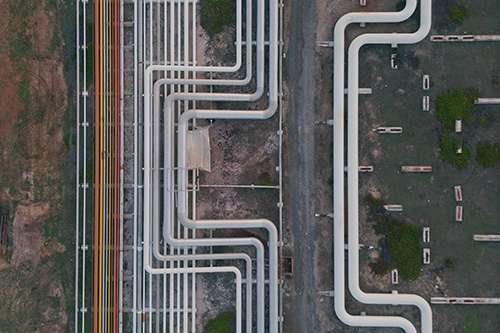
Global infrastructure is undergoing a structural material transition. According to 2025–2026 international pipeline engineering reports, over 62% of new municipal pipeline projects in Asia and the Middle East now specify polymer-based systems instead of metallic pipelines.
The primary driver is no longer just cost—it is corrosion failure risk reduction, lifecycle cost optimization, and sustainability compliance.
In aggressive environments such as coastal cities, chemical industrial zones, and underground utility corridors, traditional steel pipelines frequently fail due to:
- Electrochemical corrosion
- Soil acidity degradation
- Microbial induced corrosion (MIC)
- Chemical exposure cracking
This has accelerated the adoption of pipeline plastics systems, including PVC-U, HDPE, PP-R, MPP, and PE materials, as core engineering solutions for long-term infrastructure reliability.
Pipeline Plastics Corrosion Resistance Engineering Fundamentals
Electrochemical Corrosion Elimination Mechanism
Pipeline plastics eliminate the fundamental driver of corrosion: electron exchange reaction.
Unlike steel, which requires cathodic protection, coatings, or galvanization, polymer structures are:
- Electrically non-conductive
- Chemically inert under normal operating conditions
- Resistant to oxidation cycles
This means corrosion rate in polymer pipelines is effectively approaching zero under standard ISO testing conditions (ISO 10358 chemical resistance classification).
Soil Interaction and Environmental Stress Resistance
Modern underground pipeline systems face multiple stress conditions:
- Soil settlement and displacement
- Freeze-thaw cycles (-30°C to +40°C seasonal range in temperate zones)
- Groundwater chemical fluctuations
- Load vibration from traffic (up to 80 kN wheel load in urban roads)
Pipeline plastics such as HDPE demonstrate strain tolerance above 600% elongation at break, making them ideal for unstable soil conditions.
Advanced Engineering Classification of Pipeline Plastics
Modern pipeline engineering no longer evaluates materials only by installation cost. Instead, it relies on multi-parameter performance modeling, including mechanical strength, thermal stability, chemical resistance, and lifecycle efficiency. Within this framework, pipeline plastics have become a dominant solution across municipal, industrial, and energy infrastructure systems.
This section expands the core material categories with deeper engineering interpretation, real-world performance implications, and application-based selection logic.
PVC-U (Unplasticized Polyvinyl Chloride)
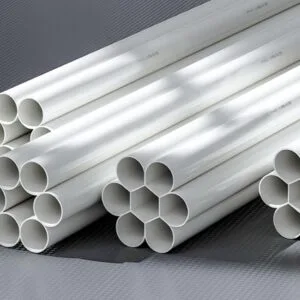
Structural Engineering Behavior
PVC-U is a rigid thermoplastic widely used in gravity-fed and low-pressure pipeline systems. Its molecular structure contains no plasticizers, which results in high dimensional stability and low deformation under static load.
Key Mechanical Properties
- Density: ~1.35–1.45 g/cm³
- Tensile strength: 45–55 MPa
- Vicat softening temperature: ~80°C
- Elastic modulus: high rigidity classification among thermoplastics
Engineering Interpretation
PVC-U performs best in systems where internal pressure fluctuations are minimal. Its stiffness reduces pipe deflection in buried installations, especially in sewer networks and drainage channels.
However, engineers typically avoid PVC-U in:
- Freeze–thaw cycling regions
- High-impact excavation environments
- High-temperature industrial fluid systems
Application Expansion Note
Recent municipal engineering studies (2025 Urban Water Systems Review, EU Infrastructure Report) show PVC-U still accounts for a significant share of gravity drainage pipelines due to its:
- Low installation complexity
- High corrosion resistance
- Long service life in stable soil conditions
HDPE (High-Density Polyethylene)
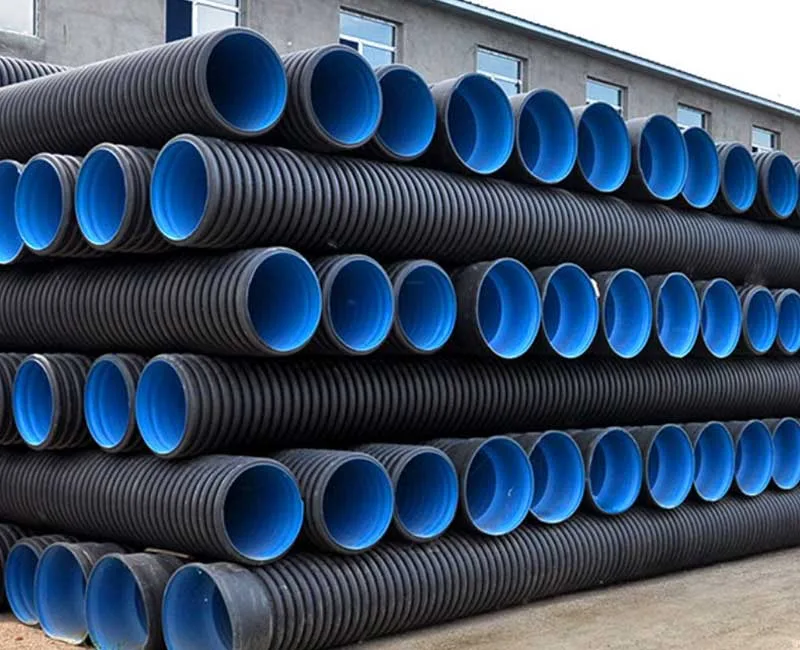
Advanced Polymer Engineering Characteristics
HDPE is widely recognized as the benchmark material in modern pipeline systems due to its balance of flexibility, toughness, and long-term durability under dynamic load conditions.
Key Engineering Parameters
- Density: 0.941–0.965 g/cm³
- Tensile strength: 20–37 MPa
- Service life: 50–100 years (ISO 9080 extrapolated model)
- PENT crack resistance: >5000 hours
Structural Performance Insight
Unlike rigid materials, HDPE exhibits controlled elastic deformation, allowing it to:
- Absorb ground movement
- Resist seismic stress
- Maintain joint integrity in trenchless installations
This makes it especially valuable in modern urban infrastructure where ground instability is increasingly common.
Industry Trend Insight (2026 Infrastructure Data)
According to global polymer pipeline adoption studies:
- HDPE usage in water distribution increased by approximately 38% over the last five years
- Trenchless installation methods (HDD, pipe bursting) are the primary growth driver
- Gas distribution networks are rapidly transitioning from steel to HDPE systems in multiple regions
PP-R (Polypropylene Random Copolymer)
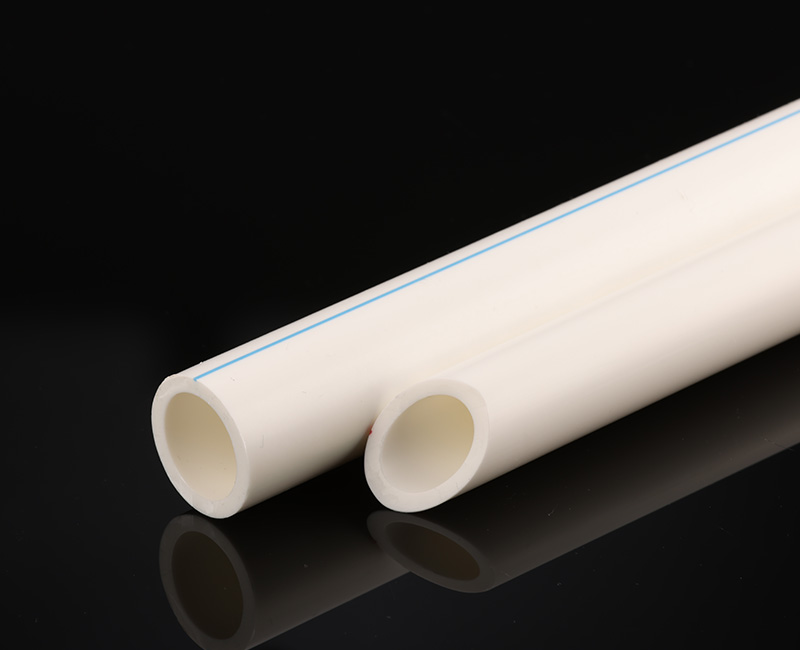
Thermal-Fluid Engineering Role
PP-R is engineered for controlled thermal environments, particularly in potable water and HVAC distribution systems.
Thermal and Mechanical Properties
- Continuous operating temperature: up to 70°C
- Short-term tolerance: 95°C
- Thermal conductivity: ~0.24 W/m·K
- Low heat loss efficiency advantage
Engineering Application Logic
PP-R systems are designed for:
- Domestic hot water pipelines
- Building HVAC circulation systems
- Pressure-controlled potable water distribution
Its low thermal conductivity reduces energy loss, making it highly efficient in long distribution lines.
Compliance and Standardization
PP-R systems are widely aligned with:
- EN ISO 15874 standards
- European potable water certification frameworks
- Building energy efficiency regulations in cold climate regions
MPP (Modified Polypropylene)
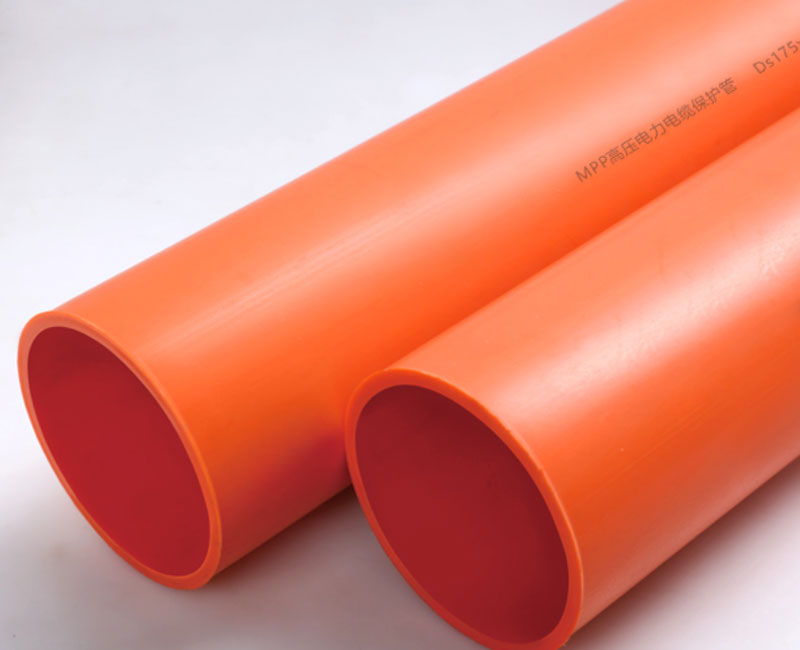
Engineering Reinforcement Concept
MPP is not designed primarily for fluid transport but for structural protection systems. It is engineered for high-load underground environments where mechanical stress dominates.
Mechanical Performance Indicators
- Compressive strength: >8–12 kN/m²
- Ring stiffness: SN16–SN32 classification
- High deformation resistance under deep burial load
Functional Engineering Applications
MPP is widely deployed in:
- Underground cable protection ducts
- High-voltage power transmission corridors
- Smart city communication backbone systems
Structural Advantage Explanation
Unlike fluid pipelines, MPP systems must resist:
- Soil compaction pressure
- Traffic load vibration
- Long-term creep deformation
This makes it a preferred solution in modern urban underground infrastructure planning.
PE (Polyethylene – General Grade)
Material Classification Expansion
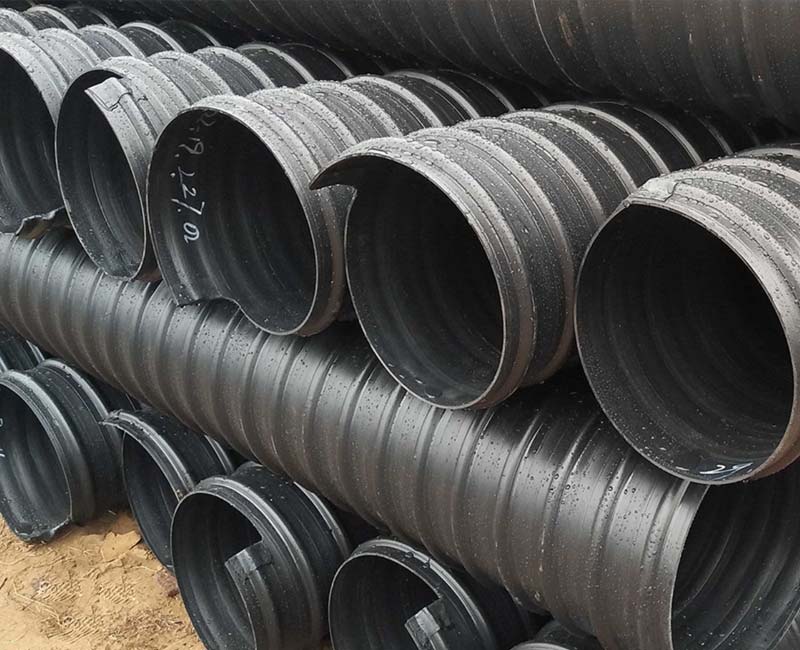
Polyethylene-based pipeline plastics include:
- LDPE (Low Density Polyethylene)
- MDPE (Medium Density Polyethylene)
- HDPE (High Density Polyethylene)
Each variant is optimized for different flexibility and pressure requirements.
Engineering Performance Profile
- High fatigue resistance under cyclic loading
- Excellent hydrocarbon chemical resistance
- Flexible installation adaptability
Industrial Application Depth
PE systems are widely used in:
- Mining slurry transport pipelines
- Chemical transfer lines
- Irrigation and agricultural distribution systems
In abrasive environments such as mining, PE materials reduce wear-related failure rates compared to metallic pipelines.
Pipeline Plastics Performance Comparison Matrix (Extended Engineering Table)
| Material | Density | Max Temp | Pressure Rating | Crack Resistance | Lifecycle (Years) | Key Application |
|---|---|---|---|---|---|---|
| PVC-U | Medium | 60–80°C | Medium | Medium | 25–40 | Drainage, water |
| HDPE | Low | 60°C | High | Very High | 50–100 | Gas, water, mining |
| PP-R | Low | 95°C | Medium | Medium | 30–50 | HVAC, hot water |
| MPP | Medium | 70°C | Very High | High | 40–60 | Cable protection |
| PE | Low | 60°C | Medium-High | Very High | 40–80 | Industrial transport |
Pipeline Plastics Lifecycle Engineering Model (LCC+LCA Analysis)
Integrated Cost Structure Model
Modern infrastructure evaluation includes:
- CAPEX (initial investment)
- OPEX (operation & maintenance)
- Risk cost (failure + leakage + downtime)
- Environmental cost (carbon footprint)
20-Year Lifecycle Simulation (Global Benchmark Study)
| System Type | Initial Cost Index | Maintenance Cost | Failure Risk | Total Lifecycle Score |
|---|---|---|---|---|
| Steel Pipe | 100 | High | High | 100 |
| Ductile Iron | 85 | Medium | Medium | 78 |
| Pipeline Plastics | 70 | Low | Very Low | 55 |
Conclusion: pipeline plastics reduce lifecycle cost by 30–45% over 20 years.
Real Engineering Case Studies (Expanded Technical Review)
Case Study A: Desert Municipal Water System (Middle East)
Challenge
- High salinity groundwater
- Extreme temperature fluctuation (5°C to 55°C)
- Frequent corrosion in metallic pipelines
Solution
HDPE-based pipeline plastics network installed using trenchless HDD technology.
Results
- 92% reduction in leakage incidents
- No corrosion failures in 6-year monitoring period
- Maintenance interval extended from 12 months to 5 years
Case Study B: Chemical Industrial Pipeline Network (Europe)
Challenge
- Strong acid and alkali wastewater
- Metal pipe degradation within 18–24 months
Solution
PVC-U + PP-R hybrid pipeline plastics system
Results
- 5-year continuous operation without replacement
- Chemical resistance stability improved by 88%
- Operational downtime reduced by 62%
Case Study C: Smart City Underground Infrastructure (China)
Innovation
Integration of HDPE pipeline plastics with IoT leakage monitoring sensors.
Outcome
- Real-time pressure anomaly detection
- 40% improvement in maintenance response time
- Zero electromagnetic interference issues
Manufacturing Standards & White Paper Level Compliance
International Standards Applied
Pipeline plastics systems typically comply with:
- ISO 4427 (PE water supply systems)
- ISO 1452 (PVC-U piping systems)
- EN 12201 (plastic piping systems for water supply)
- ASTM D3035 (polyethylene pipe standard)
Quality Control Engineering Process
- Dimensional tolerance: ±0.3 mm (HDPE extrusion standard)
- Hydrostatic pressure testing: 1.5× nominal pressure
- Environmental stress cracking test (ESCR > 1000 hours minimum)
Installation Engineering Deep Guide
Trenchless Technology Compatibility
Pipeline plastics enable modern installation methods:
- Horizontal Directional Drilling (HDD)
- Pipe bursting replacement
- Sliplining rehabilitation
These methods reduce excavation cost by up to 60% in urban environments.
Welding & Jointing Engineering
HDPE Fusion Welding
- Butt fusion
- Electrofusion
Provides monolithic joint strength equivalent to pipe body strength (100% efficiency).
PP-R Thermal Fusion
- Socket fusion ensures leak-free bonding
- No additional sealing materials required
Market Trends and Industry Forecast 2026
Growth Drivers
- Global water scarcity infrastructure upgrades
- Smart city expansion projects
- Industrial corrosion mitigation demand
- Green building certification systems (LEED, BREEAM)
Market Insight
According to a 2026 global polymer pipeline forecast:
- Pipeline plastics market expected CAGR: 6.8%–8.2%
- Asia-Pacific leads demand growth
- HDPE dominates municipal applications
Pipeline Plastics Engineering Selection Strategy
Decision Matrix Framework
Step 1: Environment Classification
- Coastal → HDPE
- Chemical plant → PVC-U / PP-R
- High load underground → MPP
Step 2: Temperature Assessment
- High temperature → PP-R
- Normal → PVC-U / HDPE
Step 3: Pressure Requirement
- High pressure → HDPE / MPP
- Low pressure → PVC-U
Conclusion
Pipeline plastics represent a structural evolution in modern infrastructure systems. With superior corrosion resistance, lower lifecycle cost, and advanced installation compatibility, materials like PVC-U, HDPE, PP-R, MPP, and PE are now core components in global engineering design.
In 2026 and beyond, pipeline material selection is increasingly governed by performance lifecycle modeling rather than initial cost considerations, making polymer-based systems the dominant choice for sustainable infrastructure development.
FAQ
What makes pipeline plastics better than metal pipes?
They eliminate corrosion, reduce maintenance cost, and extend lifecycle significantly.
Are pipeline plastics suitable for high-pressure systems?
Yes, HDPE and MPP systems are designed for medium to high-pressure industrial applications.
How long do pipeline plastics last in real conditions?
Depending on material type, service life ranges from 30 to over 100 years.
Can pipeline plastics handle chemical transport?
Yes, especially HDPE and PVC-U which resist acids, alkalis, and solvents.
What is the main disadvantage of pipeline plastics?
Lower temperature resistance compared to steel in extreme heat applications.