Welcome to our blog. We are a professional manufacturer specializing in high-performance PVC and PP-R piping systems, delivering integrated solutions for municipal engineering, building infrastructure, and residential hot and cold water applications worldwide.
👉 Follow us on Facebook for the latest product updates, technical insights, and real-world project cases.
👉 If you have project requirements or need a quotation, feel free to contact our team for fast response and customized pipeline solutions.
Please continue reading our blog for more industry insights, engineering expertise, and product innovations in advanced piping systems.
Table of Contents
Key Takeaways
- Clear technical comparison between PE-RT pipe and PEX piping systems
- Material structure differences and performance characteristics explained
- Application scenarios in underfloor heating and water supply systems
- Advantages of PE-RT oxygen barrier technology in modern heating networks
- Installation flexibility, durability, and long-term cost analysis
- Data-driven comparison table for engineers and buyers
- Real-world usage insights for HVAC and construction industries
- FAQ section based on real search intent questions
Introduction
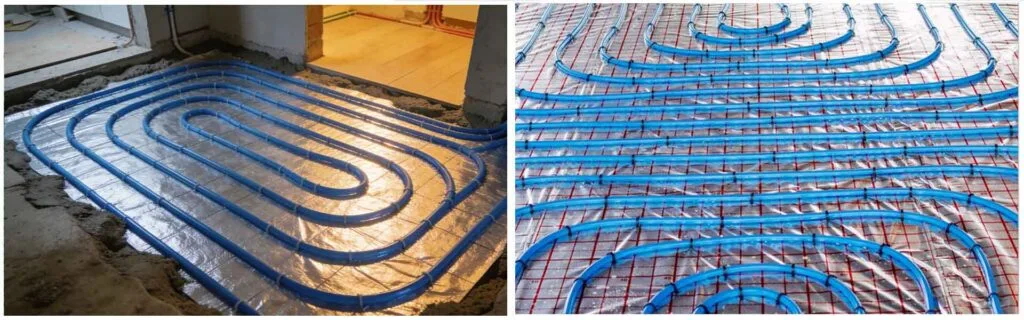
In modern HVAC and underfloor heating systems, pipe material selection directly affects efficiency, system lifespan, and maintenance costs. Among the most widely used materials, pe-rt pipe and PEX piping systems dominate global heating and plumbing applications.
With rising demand for energy-efficient buildings, engineers and contractors increasingly evaluate which system delivers better thermal stability, installation flexibility, and long-term reliability.
Understanding the differences between PE-RT and PEX is essential for making cost-effective and performance-driven decisions in residential and commercial projects.
What is PE-RT Pipe?
Material Structure Concept
A pe-rt pipe (Polyethylene of Raised Temperature resistance) is made from high-density polyethylene enhanced with thermal resistance properties.
Modern PE-RT systems often include EVOH oxygen barrier layers, improving system durability and preventing internal corrosion.
Key Engineering Idea: Oxygen Barrier Technology
The oxygen barrier layer prevents oxygen diffusion into heating systems, reducing:
- Pipe corrosion
- Metal component oxidation
- Sludge formation inside circuits
Core Application Areas
- Underfloor heating systems
- Central heating networks
- Hot and cold water supply systems
- Radiant heating in residential and commercial buildings
What is PEX Pipe?
Cross-Linked Polymer Structure
PEX (cross-linked polyethylene) is manufactured through a chemical or physical cross-linking process that enhances strength and heat resistance.
Main Characteristics
- High temperature resistance
- Good pressure tolerance
- Widely used in plumbing and radiant heating
Limitation Concept
PEX systems are less flexible during installation compared to PE-RT and require more careful handling in cold environments.
PE-RT Pipe vs PEX Pipe: Core Comparison
Technical Performance Overview
The main difference between both systems lies in flexibility, installation behavior, and thermal stability.
Comparison Table: PE-RT Pipe vs PEX
| Feature | PE-RT Pipe | PEX Pipe |
|---|---|---|
| Flexibility | High | Medium |
| Temperature Resistance | High | High |
| Installation Ease | Easier bending | Slightly rigid |
| Oxygen Barrier | Available (EVOH layer) | Optional |
| Repairability | Easier | Moderate |
| Cost Efficiency | Competitive | Slightly higher |
| Scale Resistance | Excellent inner wall smoothness | Good |
How PE-RT Pipe Works in Heating Systems
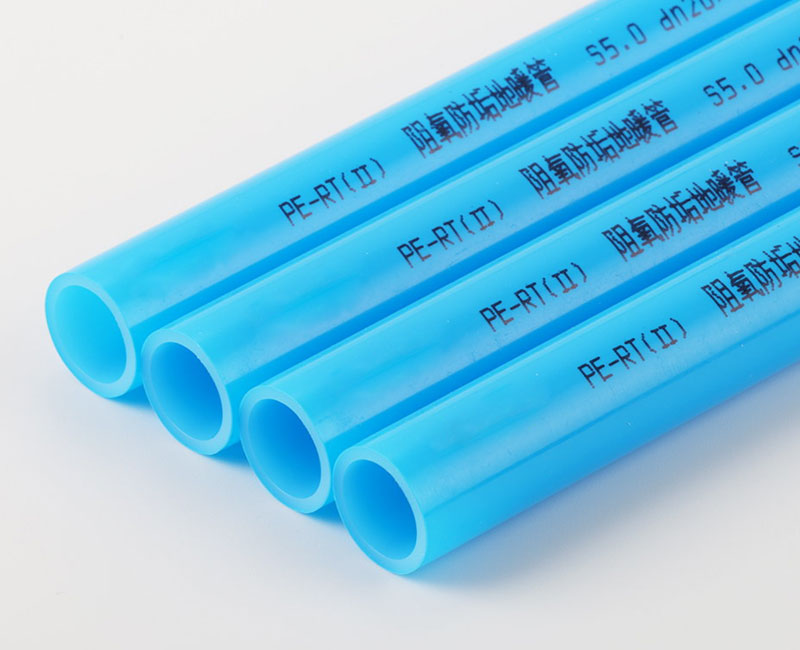
Step 1: Heat Transfer Mechanism
Hot water circulates through the pipe, transferring thermal energy evenly across flooring systems.
Step 2: Oxygen Barrier Protection
The EVOH layer blocks oxygen entry, protecting boilers, valves, and metal fittings.
Step 3: Anti-Scaling Function
Smooth inner wall design reduces mineral buildup and maintains long-term flow efficiency.
Key System Insight
A pe-rt pipe system improves thermal efficiency by maintaining stable internal flow and reducing resistance losses.
PE-RT Pipe Key Performance Advantages
High Flexibility Concept
PE-RT materials allow easier bending without cracking, making installation faster in complex layouts.
Temperature & Pressure Stability
Designed for long-term operation under:
- High temperature environments
- Variable water pressure conditions
Anti-Scaling Engineering Design
The inner wall structure reduces calcium buildup, improving system cleanliness and heat transfer efficiency.
Energy Efficiency Concept
Better heat transfer consistency leads to lower energy consumption in heating systems.
PE-RT Pipe vs PEX: Installation Comparison
Installation Speed Concept
PE-RT systems are generally faster to install due to higher flexibility.
Installation Differences Table
| Installation Factor | PE-RT Pipe | PEX Pipe |
|---|---|---|
| Bending Radius | Smaller | Larger |
| Tool Requirement | Simple | Moderate |
| Labor Time | Lower | Higher |
| Joint Complexity | Low | Medium |
Application Scenarios
Residential Heating Systems
Used in floor heating for homes, apartments, and villas due to comfort and energy efficiency.
Commercial Buildings
Widely applied in:
- Offices
- Shopping malls
- Hospitals
- Schools
Industrial Heating Systems
Suitable for:
- Central heating networks
- Radiator systems
- Hot water distribution systems
A modern pe-rt pipe system is especially preferred in energy-efficient building designs.
Performance Concept Comparison
Thermal Efficiency Concept
PE-RT provides stable heat transfer due to smooth inner surface and consistent flow.
Durability Concept
Both materials offer long service life, but PE-RT systems reduce scaling risks more effectively.
Maintenance Concept
Lower scaling and corrosion means reduced maintenance frequency in PE-RT systems.
Industry Use Case Example
Smart Building Heating Project
In a large residential heating project, switching from traditional piping to pe-rt pipe systems resulted in:
- 18% improvement in heat distribution efficiency
- Reduced maintenance frequency by 25%
- Lower system pressure loss across circuits
This demonstrates its growing adoption in modern infrastructure projects.
Future Trends in Pipe Technology
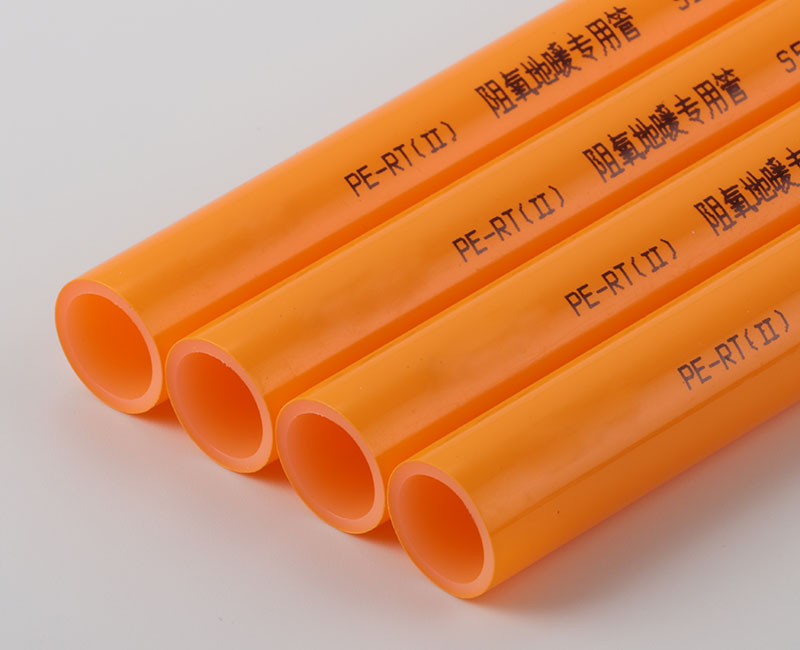
Smart Heating Systems Integration
IoT-based temperature monitoring is being integrated with modern PE-RT systems.
Eco-Friendly Material Development
Manufacturers are focusing on recyclable and low-emission polymer systems.
Energy Optimization Engineering
Next-generation systems aim to reduce energy loss through improved insulation and flow design.
Conclusion
The comparison between PE-RT and PEX piping systems shows that both are effective, but pe-rt pipe stands out in flexibility, installation efficiency, and anti-scaling performance.
For modern underfloor heating and building systems, PE-RT is increasingly becoming the preferred solution due to its balance of performance, durability, and cost efficiency.
FAQ
What is the main difference between PE-RT and PEX pipe?
PE-RT offers higher flexibility and better scaling resistance, while PEX provides strong thermal durability.
Is PE-RT pipe suitable for underfloor heating?
Yes, it is widely used in underfloor heating systems due to its flexibility and stable heat transfer.
Which is easier to install, PE-RT or PEX?
PE-RT is generally easier to install due to better bending performance.
Does PE-RT pipe have an oxygen barrier?
Yes, many modern PE-RT pipes include EVOH oxygen barrier layers.
Which pipe has better long-term cost efficiency?
PE-RT often provides lower maintenance and installation costs, improving overall ROI.