Bienvenue sur notre blog Nous sommes un fabricant professionnel spécialisé dans les systèmes de tuyauterie haute performance en PVC et PP-R, fournissant des solutions intégrées pour l'ingénierie municipale, les infrastructures de construction et les applications résidentielles d'eau chaude et froide dans le monde entier.
👉 Suivez-nous sur Facebook pour les dernières mises à jour de produits, les informations techniques et les cas de projets réels.
👉si vous avez des exigences de projet ou avez besoin d'un devis, n'hésitez pas à le faire contactez notre équipe pour une réponse rapide et des solutions de pipeline personnalisées.
Veuillez continuer à lire notre blog pour plus d'informations sur l'industrie, d'expertise en ingénierie et d'innovations de produits dans les systèmes de tuyauterie avancés.
Table des matières
Introduction
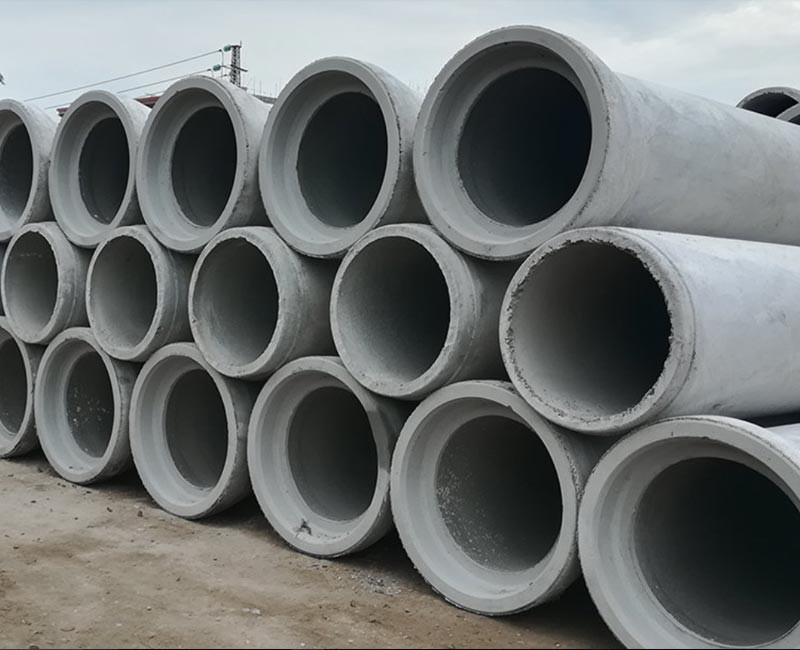
Conduites en béton former l'épine dorsale des systèmes urbains, des réseaux d'égouts, de la gestion des eaux pluviales et des pipelines industriels Chaque jour, des millions de litres d'eau et d'autres fluides transitent par des réseaux de canalisations en béton dans le monde entier Le choix de canalisations en béton durables n'est pas simplement un choix de construction en matière d'eau est un investissement sécurité, fiabilité et efficacité de maintenance des infrastructures à long terme. Un tuyau en béton de haute qualité garantit un minimum de fuites, une résistance au sol et aux pressions chimiques, ainsi que la capacité de résister à des décennies d'utilisation avec de faibles coûts opérationnels.
Principaux points à retenir sur ce blog
- Types et classifications des tuyaux en béton.
- Facteurs influençant la durabilité des tuyaux en béton.
- Sélection des matériaux, méthodes de renforcement et conception des mélanges.
- Normes industrielles et mesures de contrôle de la qualité.
- Capacités de portance et de pression.
- Meilleures pratiques d’installation, de maintenance et d’inspection.
- Comparaison avec des matériaux de tuyaux alternatifs (PVC, acier).
- Études de cas réelles démontrant la durabilité.
- Tendances des solutions de tuyaux en béton durables et intelligentes.
- FAQ et recommandations professionnelles pour les ingénieurs et les entrepreneurs.
Types de tuyaux en béton
Tuyaux en béton brut
Plaine tuyaux en béton sont non renforcé et généralement utilisés pour des applications de drainage à basse pression Ils sont rentable, [TRADUCTION], facile à installer, mais limitée en capacité portante et en pression interne Idéal pour le drainage résidentiel ou les petits projets municipaux.
Tuyaux en béton armé ordinaires
Ces tuyaux comprennent renfort en acier encastré, améliorant la résistance à la traction et l'intégrité structurelle. Convient pour systèmes d'eaux pluviales, réseaux d'égouts municipaux et zones de circulation légère. Le renforcement assure la résistance à la pression du sol et aux charges des véhicules.
Tuyaux en béton armé auto-contraint
Les conduites auto-contraintes sont renforcées à l'aide techniques de tension interne, qui améliorent résistance aux fissures et charge capacité sans augmentation de l'utilisation des matériaux Communément employé dans le transport urbain par eau et les systèmes de fluides industriels.
Tuyaux en béton précontraint
Les tuyaux en béton précontraint sont conçus pour manipuler haute pression interne et les charges externes lourdes Ils sont idéaux pour transport d'eau industriel à grande échelle, systèmes d'égouts à haute pression et pipelines municipaux dans les centres urbains denses.
Classification par diamètre, pression et type de joint
Les tuyaux en béton sont également classés par diamètre intérieur, pression nominale et type de joint:
- Diamètre:
- Petit : < 400 mm
- Moyen : 4001400 mm
- Grand: > 1400 mm
- Indice de pression :
- Conduites basse pression pour systèmes à flux gravitaire
- Tuyaux de pression avec des valeurs nominales de 0,4, 0,6, 0,8, 1,0, 1,2 MPa
- Types de joints :
- Joints de mortier de ciment
- Joints de mortier de ciment en treillis métallique
- Joints de douille de mortier de ciment
- Joints de douille en anneau en caoutchouc
Une sélection conjointe correcte garantit étanchéité, durabilité et stabilité sous pression du sol, : en particulier dans les zones à fort trafic ou sujettes aux inondations.
Facteurs affectant la durabilité des tuyaux en béton
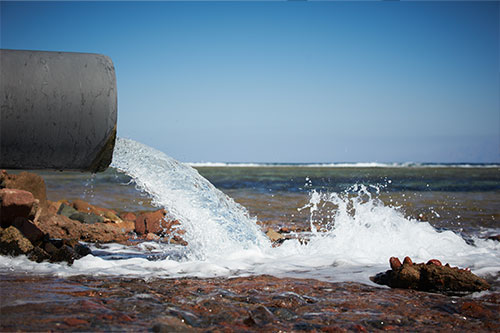
Qualité Matérielle
- Sable moyen lavé et ciment de haute qualité : Assure une résistance uniforme et une faible perméabilité.
- Silicate 42,5 Ciment : Fournit une performance stable à long terme en cas de stress environnemental.
Conception de renfort
- Suit normes structurelles nationales, 1, sans réduction de la teneur en acier.
- Le placement du renfort est optimisé pour résistance portante et à la flexion, 1, assurant la stabilité dans les installations souterraines.
Procédé de fabrication
- Les rapports de mélange de béton à haute résistance sont soigneusement contrôlés.
- La densité et les conditions de durcissement sont surveillées pour réduire les fissures et améliorer la longévité.
Considérations Environnementales
- Type de sol, chimie des eaux souterraines et affectation de la température corrosion et durabilité des tuyaux.
- Des revêtements protecteurs ou des superpositions de polymères sont parfois utilisés dans des environnements chimiquement agressifs.
Capacité de port et de pression
| Diamètre du tuyau (mm) | Classe | Épaisseur de paroi (mm) | Charge destructive (kN/m) | Pression interne (MPa) |
|---|---|---|---|---|
| 200 | 1 | 8 | 22 | 0.02 |
| 200 | 2 | 12 | 27 | 0.04 |
| 400 | 1 | 14 | 47 | 0.04 |
| 400 | 2 | 19 | 50 | 0.08 |
| 600 | 1 | 21 | 65 | 0.08 |
| 600 | 2 | 24 | 70 | 0.12 |
Les ingénieurs utilisent ces données pour sélectionner les tuyaux en fonction exigences de charge du projet, niveaux de trafic et conditions de pression, [TRADUCTION], assurant performance à long terme.
Tuyau en béton ou matériaux alternatifs
Tuyaux en acier
- Avantages: Résistance à la traction élevée, flexibilité sous contrainte.
- Inconvénients: Corrosion-sensible, entretien plus élevé, coût initial plus élevé.
tuyaux en PVC
- Avantages: Léger, installation facile, résistant à la corrosion.
- Inconvénients: Porteur limité, peut se déformer sous une forte pression du sol.
Plats à emporter clés
Les tuyaux en béton sont généralement supérieurs applications lourdes, souterraines et haute pression, 1, tandis que le PVC et l'acier peuvent être utilisés dans des environnements spécialisés ou à faible charge.
Installation et Maintenance
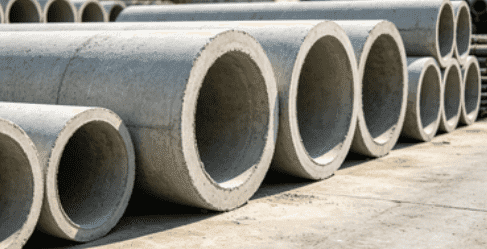
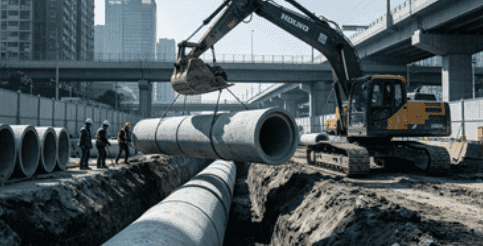
Techniques d'installation appropriées
- Assurer literie et remblai uniformes pour répartir les charges.
- Alignez soigneusement les joints à l’aide raccords à douille ou à rainure et languette.
- Les inspections avant installation détectent fissures superficielles ou défauts de fabrication.
Meilleures pratiques de maintenance
- Inspections visuelles régulières : Vérifiez les fissures, le désalignement ou les infiltrations.
- Tests de pression : Assurer l'étanchéité à l'eau pour les systèmes pressurisés.
- Nettoyage et élimination des débris : Prévenir les blocages et réduire les contraintes sur les articulations.
Normes et lignes directrices de l'industrie
- EN 1916 /EN 124 (Europe) : Définit les dimensions, les types de joints et les classes de charge.
- AASHTO M170 (USA) : Norme pour les tuyaux en béton armé.
- ASTM C76: Spécifie la fabrication de tuyaux en béton armé.
- ISO 9001 et 14001: Gestion de la qualité et de l'environnement dans la production.
Le respect de ces normes garantit tuyaux en béton durables, sûrs et conformes à la réglementation pour les systèmes urbains et industriels.
Études de cas réelles
Étude de cas 1 : Système d'eaux pluviales
- Diamètre: Tuyaux en béton précontraint de 500 mm
- Résultat: Prise en charge des précipitations extrêmes avec entretien minimal plus de 20 ans
Étude de cas 2 : Réseau d'assainissement industriel de New York
- Diamètre: Tuyaux en béton armé de 600 mm
- Résultat: Amélioré résistance de charge dans les zones à fort trafic, dépassant de 15 ans les projections de durée de vie
Étude de cas 3 : Projet européen de rénovation urbaine
- Tuyaux en PVC remplacés par du béton précontraint
- Résulté en réduction des fuites par 40%, amélioration de l'efficacité de la gestion de l'eau
Innovations et tendances futures
- Tuyaux en béton intelligents : Capteurs embarqués pour surveillance des flux, santé structurelle et maintenance prédictive.
- Matériaux durables : Utilisation de granulats recyclés, de ciment écologique et de méthodes de durcissement économes en énergie.
- Conceptions légères précontraintes : Réduisez le poids sans compromettre la capacité de charge.
- Tuyaux en béton imprimés en 3D : Permet des formes personnalisées pour des projets d'infrastructures urbaines complexes.
Conclusion
Conduites en béton restez le choix le plus fiable pour les infrastructures souterraines en raison de leur force, durabilité et adaptabilité. Propre sélection des matériaux, conception, installation et maintenance des renforts assurer performance à long terme pour les applications municipales, industrielles, et commerciales Des innovations modernes comme capteurs intelligents, matériaux durables et conceptions précontraintes continuez à améliorer leur fonctionnalité et leur durée de vie, en faisant des tuyaux en béton un investissement stratégique dans les infrastructures.
FAQ
1. Combien de temps faites-vous tuyaux en béton dernier ?
Les tuyaux en béton armé ou précontraint durent généralement 5000 ans avec une installation et un entretien appropriés.
2. Peut tuyaux en béton gérer la haute pression de l'eau ?
Oui, les tuyaux précontraints peuvent résister jusqu'à 1,2 MPa et conviennent aux pipelines industriels.
3. les tuyaux en béton sont-ils respectueux de l'
Oui, surtout avec les granulats recyclés et les procédés de production à faibles émissions.
4. Comment sélectionner le bon diamètre et la bonne classe de tuyau ?
Considérer charge, pression interne, type de sol, 20, et les exigences de longévité du projet.
5. Pourquoi les tuyaux précontraints sont-ils préférés pour les zones à fort trafic ?
La précontrainte réduit la fissuration, améliore la résistance à la traction et prolonge la durée de vie sous de lourdes charges.
6. Quel type de joint assure une étanchéité maximale à l'eau ?
Une douille annulaire en caoutchouc ou des joints à rainure et languette sont recommandés pipelines pressurisés et enterrés.