Bienvenue sur notre blog Nous sommes un fabricant professionnel spécialisé dans les systèmes de tuyauterie haute performance en PVC et PP-R, fournissant des solutions intégrées pour l'ingénierie municipale, les infrastructures de construction et les applications résidentielles d'eau chaude et froide dans le monde entier.
👉 Suivez-nous sur Facebook pour les dernières mises à jour de produits, les informations techniques et les cas de projets réels.
👉si vous avez des exigences de projet ou avez besoin d'un devis, n'hésitez pas à le faire contactez notre équipe pour une réponse rapide et des solutions de pipeline personnalisées.
Veuillez continuer à lire notre blog pour plus d'informations sur l'industrie, d'expertise en ingénierie et d'innovations de produits dans les systèmes de tuyauterie avancés.
Table des matières
Introduction
Dans l'approvisionnement moderne en construction, l'une des questions les plus confuses auxquelles les acheteurs sont confrontés est : pourquoi faire tuyaux en PVC plastique avec une apparence et un étiquetage similaires, afficher des différences de prix de 2 ans, voire plus ?
Sur les marchés réels de l'ingénierie, les tuyaux de PVC de base utilisés pour le câblage intérieur sont extrêmement abordables, tandis que les systèmes de communication souterrains, industriels ou PVC de qualité zone humide peuvent être nettement plus chers. Cette différence n'est pas due à la conception structurelle, à la qualité du matériau, à la paroi. l'épaisseur, la capacité de charge et les exigences en matière de durée de vie.
Selon les rapports mondiaux de l’industrie des canalisations en plastique (2025), le marché des tuyaux en PVC continue de croître d’environ 1 000 000 $ 4.2% TCAC, : avec des systèmes de qualité technique (en particulier des structures multi-trous et renforcées) affichant la croissance la plus rapide.
Ce guide étendu sur tuyaux en plastique PVC conseils des prix décompose la logique de tarification, les normes d'ingénierie, la structure des coûts, les études de cas réelles et les stratégies d'approvisionnement pour aider les acheteurs à prendre des décisions éclairées.
Principaux points à retenir
- Comprendre la logique de tarification réelle derrière les tuyaux en plastique PVC
- Découvrez comment la structure et la qualité affectent les coûts
- Comparez différents systèmes et applications de tuyaux en PVC
- Analyser les normes internationales influençant la tarification
- Examiner les ventilations réelles des coûts des projets d'ingénierie
- Identifier les risques liés à l'approvisionnement et les facteurs de coût du cycle de vie
- Comprendre les tendances de l'industrie et les idées du livre blanc
Tuyaux en plastique PVC Structure des prix et logique d'ingénierie
Mécanisme de tarification de base des tuyaux en plastique PVC
Coût des matières premières (qualité résine PVC)
Le principal facteur de coût de tuyaux en PVC plastique est la qualité de la résine PVC, qui affecte directement la durabilité et les performances.
- Stabilité moléculaire supérieure
- Résistance aux chocs améliorée
- Taux de déformation thermique plus faible
La résine PVC de qualité industrielle peut être 15% plus cher que les matériaux standards.
Impact de la conception structurelle sur le prix
Tuyaux en PVC monocouche
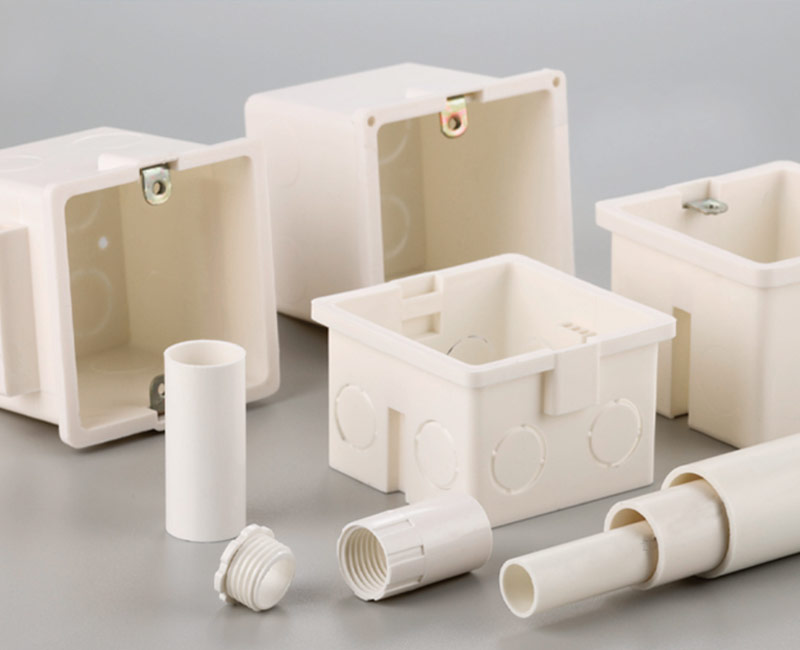
Utilisé pour la protection de base du câblage ou les applications basse pression.
- Structure simple
- Coût le plus bas
- Durabilité modérée
Systèmes PVC multi-trous (par exemple, tuyau poreux PVC-U)
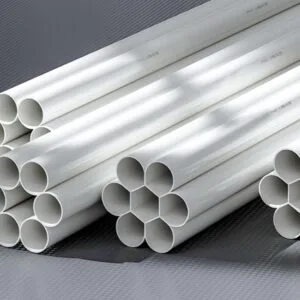
Utilisé dans les réseaux de télécommunications, d'électricité et de câble souterrain.
- Structure intégrée complexe
- Difficulté de fabrication supérieure
- 20% coût plus élevé
Influence sur les coûts des processus de fabrication
Processus d'extrusion standard
- Coût inférieur
- Précision modérée
Co-extrusion de haute précision
- Épaisseur de paroi uniforme
- Résistance mécanique supérieure
- Augmentation du coût de production
Système de classification des prix des tuyaux en PVC en plastique
Modèle de classification technique
Tuyaux en PVC léger
Utilisé pour la protection simple de câblage intérieur.
- Structure de paroi mince
- Catégorie de coût la plus basse
- Résistance limitée à la charge
Tuyaux en PVC de poids moyen
Utilisé dans les projets de construction générale.
- Performances équilibrées
- Prix milieu de gamme
- Largement utilisé dans les bâtiments
Tuyaux en PVC robuste
Utilisé pour les environnements souterrains et à forte charge.
- Structure de paroi épaisse
- Haute résistance à la compression
- Coût plus élevé mais longue durée de vie
Tableau comparatif des Prix des Tuyaux en PVC Plas
| Type | Application | Structure | Niveau de coût | Durée de vie |
|---|---|---|---|---|
| Tuyaux en PVC léger | Câblage intérieur | Simple | Faible | 10 ans |
| Tuyaux en PVC de poids moyen | Systèmes de construction | Moyen | Moyen | 20 ans |
| Tuyaux en PVC résistant | Ingénierie souterraine | Renforcé | Haut | 30 ans |
| Systèmes PVC multi-trous | Réseaux de télécommunications et d'électricité | Intégré | Très haut | 50+ ans |
Normes et influence des prix des tuyaux en plastique PVC
Normes internationales affectant les prix
Normes clés d'ingénierie
- JG/T 3050 (norme de conduite électrique du bâtiment)
- ISO 1452 (systèmes de tuyauterie PVC-U)
- ASTM D1785 (spécifications des tuyaux en PVC)
Comment les normes ont un impact sur la tarification
Normes supérieures = Coût plus élevé
- Tests de compression plus stricts
- Exigences améliorées de résistance au feu
- Tolérances dimensionnelles plus serrées
Les produits certifiés coûtent généralement cher 10%3% plus
Tuyaux en PVC plastique Aperçus du Livre blanc
Tendances de l'industrie (Résumé du rapport 20
1. Changement de structure de la demande
- Le PVC de qualité industrielle connaît la croissance la plus rapide
- Demande stable du secteur du bâtiment
- Expansion rapide des infrastructures de télécommunications
2. Croissance du système multi-trous
Les systèmes PVC multicanaux se développent à un niveau supérieur 6.5% TCAC
3. Changement de structure des coûts
- Part des matières premières en baisse
- Complexité de conception croissante
- L'efficacité de l'installation devient un facteur clé de coût
Analyse des prix basée sur les applications
Applications d'ingénierie municipale
Télécom & Protection des câbles d'alimentation
- Nécessite une résistance et une durabilité élevées
- Gamme de coûts moyen à élevé
Applications de construction de bâtiments
Systèmes électriques intérieurs
- Installation flexible
- Catégorie de coût inférieur
- Rapport coût-performance élevé
Applications Industrielles
Environnements chimiques et difficiles
- Haute résistance à la corrosion requise
- 30% prix plus élevé que le PVC standard
Tuyaux en plastique PVC vs autres matériaux
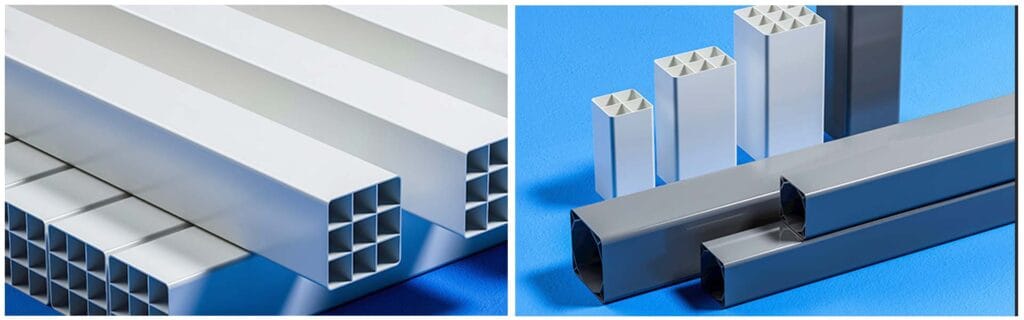
tuyaux en PVC ou en PEHD
Caractéristiques PVC
- Haute rigidité
- Coût inférieur
- Excellente isolation
Caractéristiques HDPE
- Structure flexible
- Résistance aux chocs plus élevée
- Coût supérieur
Résumé de la comparaison des prix
| Matériel | Coût | Installation | Durée de vie |
|---|---|---|---|
| Tuyaux PVC | Bas | Facile | 30 ans |
| tuyaux PEHD | Moyen | Modéré | 40 ans |
Impact des coûts d'installation sur les tuyaux en plastique PVC
Pourquoi l'installation affecte le prix total
Avantages du système de connexion à prise
- Aucun outil spécial requis
- Installation plus rapide (jusqu'à gain d'efficacité 301TP7 T)
- Coût de la main-d'œuvre inférieur
Répartition des coûts d'installation
- Travail: 40%
- Excavation et remblayage : 30%
- Matériaux et connecteurs : 20%
- Divers : 10%
Étude de cas : Projet de système de câbles souter
Aperçu du projet
Un grand projet de mise à niveau des télécommunications urbaines a utilisé des systèmes de tuyaux en PVC multi-trous pour la protection des câbles souterrains.
Échelle du projet
- Réseau de pipelines de plus de 50 km
- Système PVC multicanal utilisé
- Temps de construction réduit de 18%
Résultats
- Coût matériel augmenté de 10%
- Coût d'installation réduit de 25%
- Coût total du projet réduit de 12%
Stratégie d'approvisionnement pour les tuyaux en plastique PVC
Étape 1 : Définir l'environnement de
- Intérieur → PVC léger
- Bâtiment → PVC de poids moyen
- Underground → PVC robuste
Étape 2 : Analyse des coûts du cycle de vie (LCC)
Composants LCC
- Coût d'achat initial
- Coût d'entretien
- Coût de remplacement
- Coût du risque de défaillance
L'option la moins chère n'est pas toujours le choix à long terme le plus économique.
Étape 3 : Vérifiez les certifications
Assurer le respect de:
- Normes ISO
- Codes nationaux du bâtiment
- Réglementation électrique ou télécom
Erreurs courantes dans l'achat de tuyaux en PVC
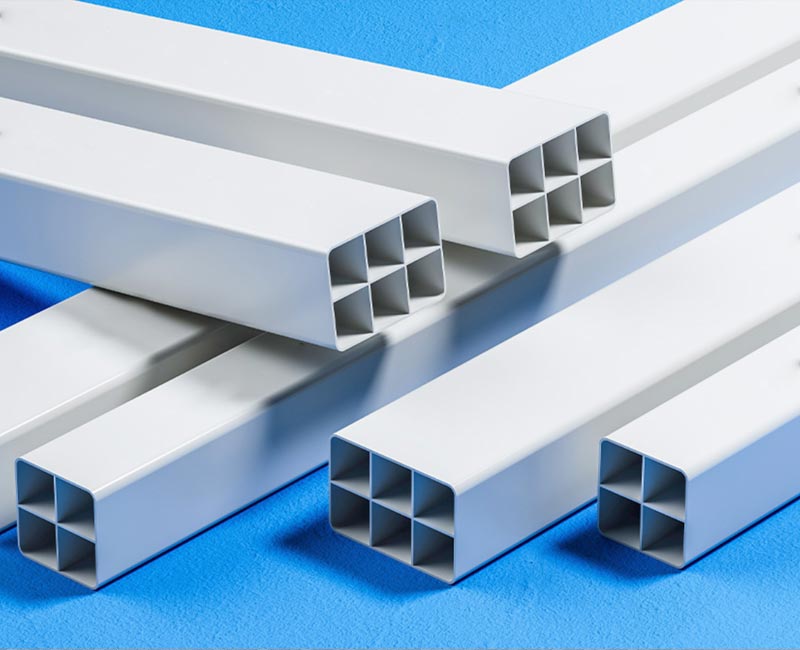
Erreur 1 : comparaison uniquement du prix unitaire
Se concentrer uniquement sur le prix d'achat le plus bas de tuyaux en PVC plastique est l'une des erreurs d'approvisionnement les plus courantes dans les projets d'ingénierie, Bien qu'un prix unitaire moins cher puisse sembler attrayant au départ, il ignore souvent les coûts cachés tels que la difficulté d'installation, la fréquence de maintenance et les cycles de remplacement à long terme.
Dans de nombreux cas, les tuyaux à faible coût utilisent des structures de paroi plus fines ou de la résine PVC de qualité inférieure, ce qui peut réduire la durabilité sous pression ou contrainte environnementale. Au fil du temps, cela entraîne des coûts totaux de cycle de vie plus élevés, en particulier dans les applications souterraines ou industrielles où les travaux de réparation sont coûteux et perturbateurs.
Une approche plus efficace consiste à évaluer le coût total de possession (TCO), et pas seulement la tarification au mètre.
Erreur 2 : mauvaise correspondance des applications
Une autre erreur critique est d'utiliser la mauvaise qualité de tuyau pour l'environnement d'installation Par exemple, en utilisant la lumière-duty tuyaux en PVC plastique dans les systèmes de câbles souterrains ou les environnements de tranchées à forte charge, on augmente considérablement le risque de déformation, de fissuration ou de défaillance du système.
Chaque type de tuyau est conçu pour une condition technique spécifique :
- Conduites légères → câblage intérieur et environnements à faible contrainte
- Conduites de poids moyen → systèmes d'infrastructure du bâtiment
- Tuyaux lourds → utilisation souterraine, routière et industrielle
Ne pas faire correspondre la qualité du tuyau avec les conditions réelles d'ingénierie entraîne souvent une défaillance prématurée du système, des coûts de maintenance plus élevés et même un remplacement complet du pipeline.
Erreur 3 : Ignorer les accessoires du système
De nombreux acheteurs se concentrent uniquement sur le tuyau lui-même et négligent l'importance des accessoires du système tels que les connecteurs, les prises, les fiches et les composants d'étanchéité. Cependant, en tuyaux en PVC plastique systèmes, ces accessoires jouent un rôle essentiel dans le maintien de l'intégrité structurelle et des performances d'étanchéité.
Les raccords manquants ou de mauvaise qualité peuvent conduire à :
- Mauvaise étanchéité des joints et risques de fuite
- Résistance mécanique réduite aux points de connexion
- Augmentation des erreurs d'installation et du désalignement
- Exigences de maintenance à long terme plus élevées
Un système complet de tuyauterie en PVC doit toujours être évalué comme une solution complète, et pas seulement des segments de tuyau individuels Les accessoires de haute qualité assurent la stabilité du système et améliorent considérablement l'efficacité de l'installation et la fiabilité à long terme.
Conclusion
La tarification de tuyaux en PVC plastique il ne s’agit pas seulement d’un problème de coût matériel : il s’agit d’une décision complète du système d’ingénierie impliquant la structure, les normes, l’efficacité de l’installation et les performances du cycle de vie.
Une stratégie d'approvisionnement intelligente ne consiste pas à choisir le produit le moins cher, mais à sélectionner le système qui offre le coût total du cycle de vie le plus bas tout en garantissant la durabilité, la sécurité et l'efficacité de l'installation.
Comprendre ces tuyaux en plastique PVC conseils des prix permet aux ingénieurs et aux acheteurs de prendre des décisions basées sur les données alignées sur les performances réelles du projet plutôt que sur des comparaisons de prix à court terme.
FAQ
Pourquoi les prix des tuyaux en plastique PVC varient-ils autant ?
Parce que la structure, l’épaisseur et les normes d’application diffèrent considérablement.
Les tuyaux en PVC coûteux sont-ils toujours meilleurs
Pas toujours, mais les tuyaux de qualité supérieure offrent généralement une meilleure durabilité et sécurité.
Quelle est la durée de vie des tuyaux en PVC ?
Généralement 3050 ans selon la qualité de l'installation et l'environnement.
Les tuyaux en PVC peuvent-ils être utilisés sous terre
Oui, mais seuls les systèmes robustes ou renforcés conviennent.
Comment puis-je réduire les coûts du projet de tuyau en PVC
Choisissez la bonne note, optimisez la conception et réduisez la complexité de l'installation.