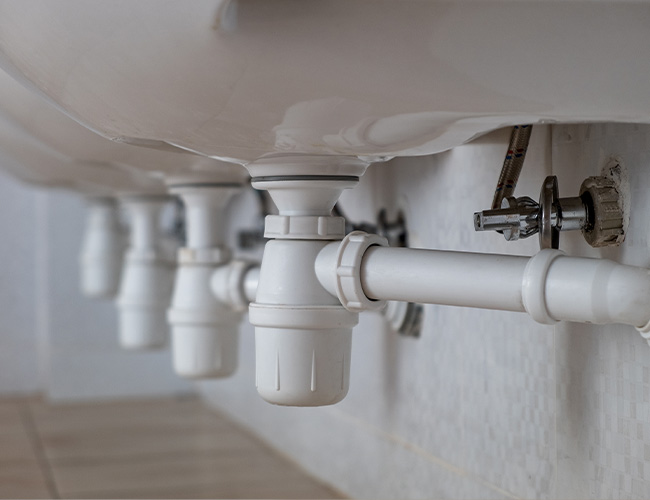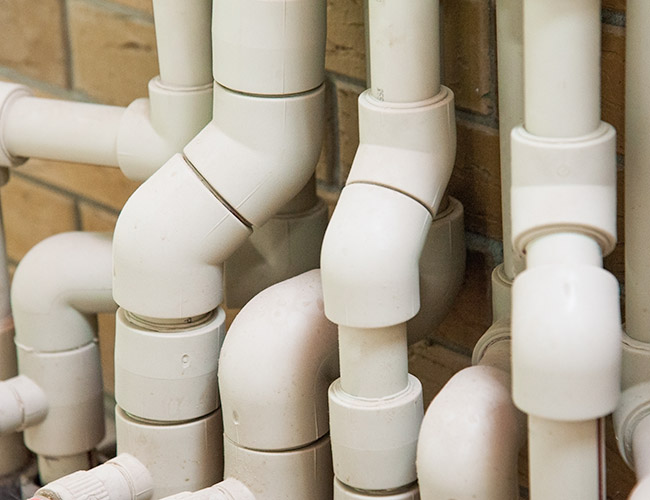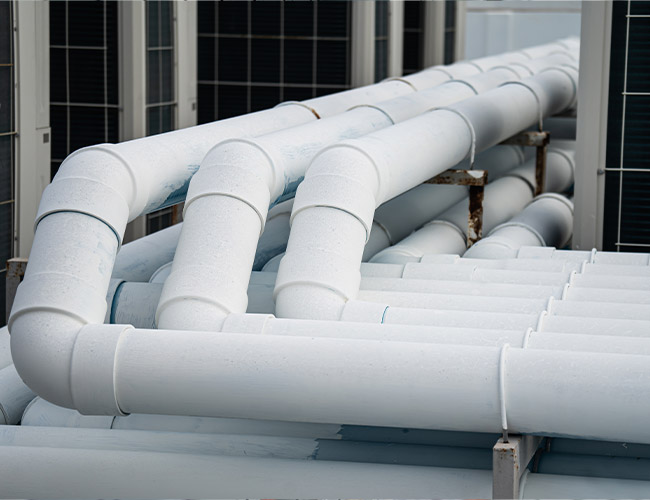
Bienvenido a nuestro blog. Somos un fabricante profesional especializado en sistemas de tuberías de PVC y PP-R de alto rendimiento, que ofrece soluciones integradas para aplicaciones de ingeniería municipal, infraestructura de construcción y agua fría y caliente residencial en todo el mundo.
👉 Síguenos en Facebook para obtener las últimas actualizaciones de productos, conocimientos técnicos y casos de proyectos del mundo real.
👉 Si tiene requisitos de proyecto o necesita una cotización, no dude en hacerlo contacta con nuestro equipo para una respuesta rápida y soluciones de canalizaciones personalizadas.
Continúe leyendo nuestro blog para obtener más información sobre la industria, experiencia en ingeniería e innovaciones de productos en sistemas de tuberías avanzados.
Tabla de contenidos
- Haga coincidir el material de la tubería y la clase de presión con el medio transportado, las condiciones de operación, el suelo y el método de instalación.
- Confirme las normas aplicables, las dimensiones de las tuberías, los accesorios y los requisitos de unión antes de solicitar cotizaciones.
- Evalúe el costo total de instalación en lugar de comparar los precios de las tuberías únicamente.
- Incluir requisitos de prueba, inspección, documentación y entrega en el contrato de compra.
- Coordine al proveedor de tuberías, al diseñador y al contratista de instalación antes de que los materiales lleguen al sitio.
- Reducir los riesgos del proyecto mediante la verificación de certificados, trazabilidad de lotes y soporte técnico.
Comprar tuberías no es simplemente una cuestión de elegir un diámetro y pedir el precio más bajo. El éxito del tendido de tuberías depende de qué tan bien el sistema de tuberías coincida con la aplicación, las condiciones del sitio, el proceso de unión y el plan de instalación.
Un producto que parece económico en una cotización puede resultar caro si requiere equipo especial, crea un trabajo de unión excesivo o no es adecuado para el suelo local. Esta guía ayuda a los equipos de adquisiciones a hacer mejores preguntas, comparar ofertas realistas y seleccionar un sistema de tuberías que se pueda instalar de manera eficiente.
¿qué incluye el tendido de tuberías?
La colocación de tuberías es el proceso completo de posicionamiento, unión, soporte, prueba y protección de tuberías a lo largo de una ruta planificada. Dependiendo del proyecto, el trabajo puede incluir excavación, preparación de zanjas, manejo de tuberías, juntas, pruebas de presión, relleno y puesta en marcha final.
Para los compradores, la instalación debe considerarse durante la selección del producto, no después de que se haya emitido la orden de compra.
Planificación de rutas de tuberías
La planificación de rutas determina la longitud de la tubería, los cambios de dirección, las diferencias de elevación y los posibles conflictos con los servicios públicos existentes. Un estudio preciso de la ruta ayuda a los compradores a estimar las cantidades de tuberías, los accesorios y los lotes de entrega de manera más confiable.
Preparación de zanjas y cimientos
La zanja debe proporcionar suficiente espacio para la colocación, unión e inspección de tuberías. Su base debe ofrecer un soporte uniforme sin piedras afiladas, grandes huecos o material inestable que pueda crear cargas concentradas en la tubería.
Manipulación y colocación de tuberías
Las tuberías deben levantarse, transportarse y bajarse sin dañar sus superficies o extremos. Las tuberías de plástico no deben arrastrarse sobre terrenos accidentados, mientras que las secciones de mayor diámetro pueden requerir eslingas de elevación y equipo coordinado.
Unión y conexión
El método de unión afecta la velocidad de instalación, los requisitos del equipo y la resistencia a fugas. La fusión por calor, la fusión de casquillos, las juntas de anillos de caucho, las bridas y los acoplamientos mecánicos requieren procedimientos y controles de calidad diferentes.
Pruebas y puesta en marcha
Es posible que la tubería completa necesite pruebas de presión, fugas, alineación o flujo antes de entrar en servicio. Los criterios de prueba deben definirse en el contrato y basarse en las especificaciones del proyecto y los estándares locales pertinentes.
Información que necesitan los compradores antes de solicitar una cotización
Una cotización confiable para el tendido de tuberías comienza con un resumen completo del proyecto. Enviar solo el diámetro de la tubería y la longitud requerida puede generar recomendaciones de productos inexactas o costos faltantes.
Condiciones de servicio
Dígale al proveedor qué transportará la tubería y si el sistema es para suministro de agua, distribución de gas, drenaje por gravedad, alcantarillado presurizado, protección de cables o uso industrial. También se debe indicar la temperatura del fluido, la exposición a sustancias químicas y las condiciones de servicio esperadas.
Requisitos de presión
Los compradores deben proporcionar la presión de funcionamiento normal, la posible presión de sobretensión y la presión de prueba. La clase de tubería seleccionada debe evaluarse según el perfil operativo completo y no solo según la presión promedio.
Por qué es importante la presión sobre los aumentos
El cierre rápido de la válvula, el arranque de la bomba o los cambios repentinos de flujo pueden crear sobretensiones de presión. Estas condiciones temporales pueden exceder la presión operativa normal y deben considerarse durante el diseño de la tubería.
Entorno de instalación
El tipo de suelo, el nivel del agua subterránea, la profundidad del entierro, la carga del tráfico y la temperatura ambiente pueden influir en la selección de tuberías. Para instalaciones sobre el suelo, la exposición ultravioleta, el movimiento térmico y el espaciado de los soportes también requieren atención.
Estándares requeridos
Indique las normas nacionales, internacionales o específicas del proyecto requeridas en la investigación. Por ejemplo, el serie ISO 4427 cubre sistemas de tuberías de polietileno para aplicaciones de suministro de agua y drenaje a presión en condiciones definidas.
No solicite un certificado sin nombrar el estándar, la edición, la definición del producto y los requisitos de prueba. Un “certificado de calidad” general puede no proporcionar evidencia suficiente para la aprobación técnica.
Elección de Tuberías para el Tendido de Tuberías
No existe un material único que sea mejor para cada proyecto. Los compradores deben comparar el rendimiento hidráulico, la resistencia a la corrosión, el método de unión, la velocidad de instalación y los requisitos del ciclo de vida.
Anhui Bihe suministra diferentes sistemas de tuberías de plástico para proyectos de abastecimiento de agua, drenaje, transmisión de gas, protección eléctrica e infraestructura.
| Sistema de tuberías | Aplicación típica | Consideración principal de adquisiciones | Método de unión común |
|---|---|---|---|
| Tubería de presión de HDPE | Transmisión de agua y gas | Clase de presión, DEG, grado de resina y requisitos de fusión | Contrafusión o electrofusión |
| Tubería ondulada de HDPE | Sistemas de drenaje por gravedad y alcantarillado | Rigidez del anillo, profundidad de entierro y sellado de juntas | Conexión de anillo de goma |
| Tubo en espiral de PE reforzado con acero | Drenaje de gran diámetro | Resistencia estructural, compatibilidad de accesorios y manipulación | Depende de la aplicación |
| Tubería PP-R | Construyendo suministro de agua | Clasificación de temperatura, clase de presión y sistema de ajuste | Fusión de enchufes |
| Tubería protectora de PVC-U | Protección de cables y servicios públicos | Resistencia al impacto, disposición de los conductos y requisitos de tracción | Enchufe o acoplamiento |
Tubería de presión de HDPE
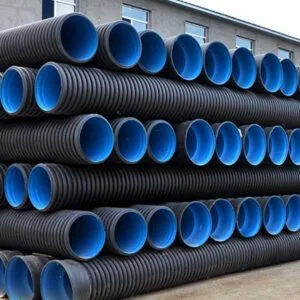
La tubería de HDPE ofrece flexibilidad, resistencia a la corrosión y conexiones con juntas de fusión. Se considera ampliamente para sistemas de agua y gas enterrados, pero los compradores deben especificar correctamente el diámetro, los DEG, la presión nominal y la certificación aplicable.
Para conocer los requisitos de distribución de gas, revise los Bihe tubería de gas HDPE y confirmar que el producto seleccionado cumple con la normativa aplicada en el mercado de destino.
Tubería de drenaje de pared estructurada
Los tubos de pared estructurada combinan un peso relativamente bajo con la rigidez requerida para aplicaciones enterradas sin presión. El Tubería ondulada de doble pared de HDPE está diseñado para sistemas de drenaje donde el flujo hidráulico, las condiciones de entierro y la carga externa son importantes.
Rigidez del anillo
La rigidez del anillo describe la resistencia de una tubería a la deformación bajo carga externa. Una clase superior no es automáticamente la elección correcta; la especificación debe considerar el ancho de la zanja, la profundidad del entierro, las condiciones del suelo y la calidad del relleno.
Tubería de polietileno reforzado con acero
Para proyectos de drenaje de gran diámetro, a Tubo en espiral con tira de acero PE puede proporcionar resistencia estructural y resistencia a la corrosión. Los compradores deben verificar los detalles de conexión, los accesorios disponibles y los límites de transporte antes de realizar el pedido.
Tubería de suministro de agua PP-
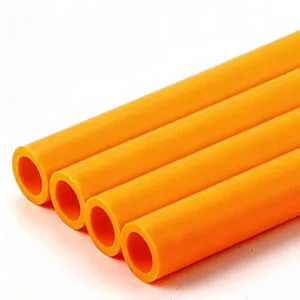
Los sistemas PP-R se utilizan comúnmente para la distribución de agua fría y caliente dentro de edificios. La selección debe tener en cuenta la presión, la temperatura de funcionamiento, la expansión térmica y la compatibilidad entre tuberías y accesorios.
Instalación de tuberías a cielo abierto versus sin zanjas
El método de instalación afecta las especificaciones de la tubería, el formulario de entrega y el presupuesto del proyecto. Por lo tanto, debe decidirse antes de finalizar el paquete de adquisiciones.
Instalación en zanja abierta
La construcción de zanjas abiertas expone la ruta de la tubería a través de la excavación. Brinda a los instaladores acceso directo para la preparación, unión e inspección del lecho y, a menudo, es práctico cuando la alteración de la superficie es aceptable.
Sin embargo, la excavación, la eliminación de escombros, la gestión del tráfico y la restauración de superficies pueden representar una parte importante del coste total.
Instalación sin zanjas
La perforación direccional horizontal, la rotura de tuberías y los métodos sin zanjas relacionados reducen la necesidad de excavación continua. Pueden ser útiles debajo de carreteras, ríos o áreas desarrolladas donde el acceso a la superficie es limitado.
El trabajo sin zanjas puede imponer cargas sustanciales de tracción, flexión y abrasión a la tubería. Los compradores deben confirmar que la tubería, las juntas y el espesor de pared propuestos son adecuados para el método de construcción seleccionado.
| Factor de comparación | Trinchera abierta | Método sin zanjas |
|---|---|---|
| Disrupción superficial | Generalmente más alto | Generalmente más bajo |
| Acceso a la tubería | Acceso directo | Limitado durante la instalación |
| Idoneidad de ruta | Áreas abiertas o accesibles | Carreteras, ríos y sitios congestionados |
| Tensión de la tubería durante la instalación | Generalmente moderado | Las cargas de tracción y flexión pueden ser mayores |
| Necesidades de equipo | Excavadoras y equipos de compactación | Equipos especializados de perforación o reventón |
| Conductor de costos | Excavación y restauración | Equipos, planificación y experiencia técnica |
Ninguno de los métodos es universalmente más barato. Los compradores deben comparar el costo total después de considerar el acceso al sitio, la restauración, los riesgos de instalación y las limitaciones de cronograma.
Lista de verificación de un comprador para el tendido de tuberías
Una lista de verificación estructurada facilita la comparación de cotizaciones y reduce el riesgo de que falten componentes.
Documentos técnicos a solicitar
- Ficha técnica del producto con dimensiones y tolerancias
- Grado del material o información compuesta
- Clasificación de presión, DEG o rigidez
- Informes de pruebas y certificados aplicables
- Instrucciones de unión
- Recomendaciones de manipulación y almacenamiento
- Registros de identificación y trazabilidad de lotes
- Lista de accesorios y accesorios compatibles
Detalles comerciales para confirmar
- Base de precios e Incoterms
- Cantidad mínima de pedido
- Longitudes de tuberías o dimensiones de bobinas
- Plan de embalaje y carga de contenedores
- Calendario de producción y entrega
- Accesorios de repuesto y asignaciones recomendadas
- Términos de inspección
- Alcance y exclusiones de la garantía
Preguntas para hacer al proveedor
¿Todas las tuberías y accesorios pueden provenir de un sistema compatible?
La compatibilidad del sistema reduce el riesgo de desajuste dimensional y responsabilidad poco clara. Los compradores deben confirmar si se ha evaluado el uso conjunto de tuberías, accesorios, válvulas y herramientas de unión.
¿Qué equipo se requiere en el sitio?
Es posible que sea necesario disponer por separado las máquinas de fusión, los generadores, las abrazaderas de alineación, los equipos de elevación y las bombas de prueba. Conocer estos requisitos desde el principio ayuda a los contratistas a preparar un presupuesto de instalación preciso.
¿Está disponible la capacitación en instalación?
La capacitación puede ser valiosa cuando los equipos locales no están familiarizados con un sistema de unión en particular. Pregunte si el proveedor puede proporcionar procedimientos, videos, orientación remota o asistencia técnica in situ.
Cómo calcular el costo real del oleoducto
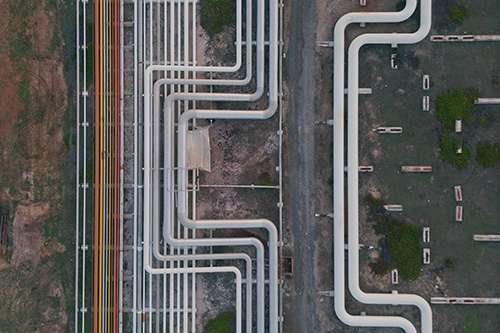
El precio de las tuberías es sólo una parte del tendido de tuberías. Una comparación de adquisiciones útil debe incluir materiales, logística, instalación, pruebas y mantenimiento esperado.
Costo material
El costo del material incluye tuberías, accesorios, válvulas, sellos, bridas y repuestos. Los compradores también deben permitir cambios de ruta, ajustes de campo y una cantidad razonable de componentes de reemplazo.
Costo logístico
Las secciones largas de tubería rígida pueden requerir diferentes disposiciones de transporte que las bobinas o longitudes más cortas. La utilización de contenedores, el equipo de descarga, el espacio de almacenamiento y el acceso al sitio pueden afectar significativamente el costo de entrega.
Costo de instalación
Los costos de instalación pueden incluir excavación, ropa de cama, trabajos de fusión, alquiler de equipos, mano de obra, pruebas y relleno. Un sistema de tuberías con menos juntas puede reducir la mano de obra incluso cuando su precio unitario es más alto.
Costo del ciclo de vida
La evaluación del ciclo de vida considera el mantenimiento, la protección contra la corrosión, el riesgo de fugas y las condiciones de servicio esperadas. Ayuda a los compradores a evitar elegir un precio inicial bajo que genera mayores costos durante la operación.
Control de Calidad Durante la Instalación de Tuberías
La inspección debe realizarse durante toda la construcción, no sólo después de que el sistema esté enterrado.
Inspecție de material întreruper
Verifique las marcas, dimensiones, cantidades y condición visible del producto cuando lleguen los materiales. Los extremos dañados, rayones profundos o accesorios deformados deben aislarse para una evaluación técnica.
Inspección conjunta
Los parámetros de fusión o los procedimientos de ensamblaje mecánico deben registrarse cuando la especificación del proyecto lo requiera. Las superficies de las juntas deben prepararse correctamente y los operadores deben utilizar el equipo adecuado y las instrucciones aprobadas.
Control de ropa de cama y relleno
El soporte uniforme y el relleno colocado correctamente ayudan a distribuir las cargas alrededor de una tubería de plástico enterrada. Las piedras grandes, el material congelado y la mala compactación pueden socavar el rendimiento previsto del sistema.
Seguridad en trincheras
Los trabajos de excavación crean graves peligros. OSHA identifica los derrumbes como un riesgo importante de excavación de zanjas y recomienda medidas apropiadas de pendiente, apuntalamiento o blindaje. Los compradores y directores de proyectos pueden consultar al funcionario Orientación para excavación y excavación de zanjas de OSHA, mientras que los requisitos legales locales siempre deben tener prioridad.
Errores comunes en materia de adquisiciones que se deben evitar
Comprar solo por diámetro
Dos tuberías con el mismo diámetro nominal pueden tener diferentes espesores de pared, índices de presión, clases de rigidez y sistemas de conexión. Se debe comparar la especificación completa.
Mezclar componentes incompatibles
Es posible que las tuberías y accesorios de sistemas no relacionados no proporcionen la compatibilidad dimensional o de unión prevista. Se debe obtener una confirmación por escrito antes de aprobar los componentes mixtos.
Ignorar las normas locales
Un producto adecuado para un país puede requerir una certificación diferente en otro mercado. Los compradores deben identificar los requisitos regulatorios y de aprobación antes de que comience la producción.
Realizar pedidos sin plan de instalación
El tendido de tuberías puede retrasarse cuando faltan equipos de unión, adaptadores o accesorios especiales. Se debe revisar el trazado de ruta y la lista de materiales antes del envío.
Elegir únicamente al precio más bajo
Una oferta inusualmente baja puede excluir accesorios, inspección, embalaje o documentación técnica. Compare cotizaciones línea por línea y solicite aclaraciones para cada exclusión.
Asesoramiento Final en Adquisiciones
El tendido exitoso de tuberías comienza mucho antes de la excavación. Comienza con una base de diseño clara, una especificación completa del producto y coordinación entre el comprador, ingeniero, proveedor y contratista.
Evalúe todo el sistema de tuberías en lugar de un precio de tubería aislado. Al confirmar los materiales, estándares, accesorios, métodos de instalación, requisitos de prueba y documentación antes de realizar el pedido, los compradores pueden reducir los retrasos en el sitio y hacer que las cotizaciones sean significativamente comparables.
Para proyectos de suministro de agua, drenaje, gas y servicios públicos, explore los Bihe gama de productos para tuberías de plástico y discuta las condiciones de la aplicación con el proveedor antes de finalizar la especificación de compra.
Preguntas frecuentes
¿Qué debo enviar a un proveedor de tuberías para obtener una cotización precisa?
Proporcionar la aplicación, medio transportado, diámetro, longitud total, presión de operación, temperatura, método de instalación, estándar requerido, destino y cronograma del proyecto. Los dibujos de ruta y una lista de ajuste harán que la cotización sea más precisa.
¿Qué tubería es mejor para el suministro de agua subterránea?
El HDPE se utiliza con frecuencia para sistemas subterráneos de agua a presión porque ofrece resistencia a la corrosión y juntas fundidas. El material correcto todavía depende de la presión, la temperatura, la calidad del agua, las condiciones del suelo y los estándares locales.
¿A qué profundidad debe enterrarse una tubería?
No existe una profundidad de entierro universal. El diseñador debe considerar la profundidad de las heladas, el tráfico superficial, las características del suelo, la rigidez de las tuberías, las aguas subterráneas y las regulaciones locales.
¿cómo elijo entre clases de DEG?
Un DEG más bajo indica una pared más gruesa en relación con el diámetro de la tubería. El DEG requerido debe determinarse a partir de la presión de diseño, la temperatura, las condiciones de sobretensión, los factores de seguridad y la norma aplicable.
¿la instalación sin zanjas es siempre más cara?
No. Los equipos especializados pueden aumentar los costos directos de instalación, pero la reducción del cierre de carreteras, la excavación y la restauración de superficies puede reducir el costo general del proyecto. Es necesaria una comparación específica del sitio.
¿Cómo pueden los compradores reducir las fugas después de la instalación
Seleccione componentes del sistema compatibles, requiera personal de unión capacitado, siga los procedimientos aprobados e inspeccione las juntas antes de rellenarlas. Las pruebas de presión o fugas deben completarse de acuerdo con las especificaciones del proyecto.
¿Debo comprar accesorios adicionales?
Sí, en general es sensato un margen controlado para accesorios de repuesto, especialmente para proyectos internacionales. La cantidad debe reflejar la complejidad de la ruta, los requisitos de corte del sitio y la disponibilidad de reemplazos locales.
¿se pueden utilizar tuberías de drenaje para agua a presión?
No se debe suponer que una tubería de drenaje por gravedad sea adecuada para el servicio a presión. Los compradores deben verificar la aplicación prevista del producto y la clasificación de presión documentada antes de realizar el pedido.