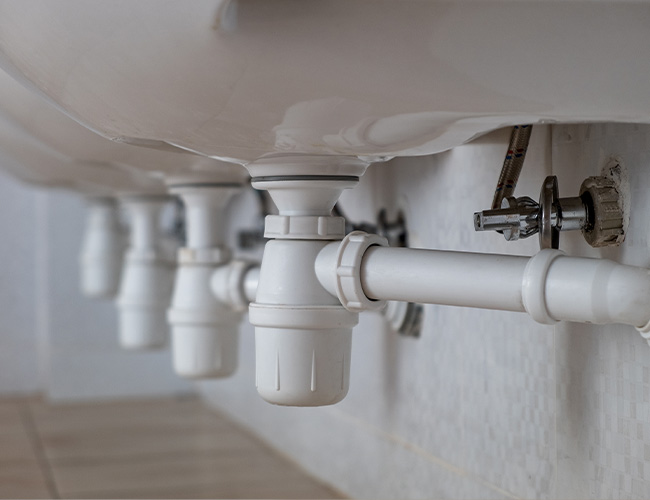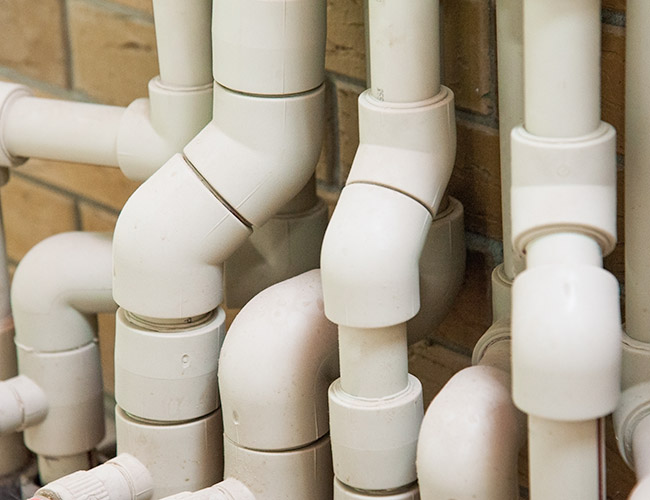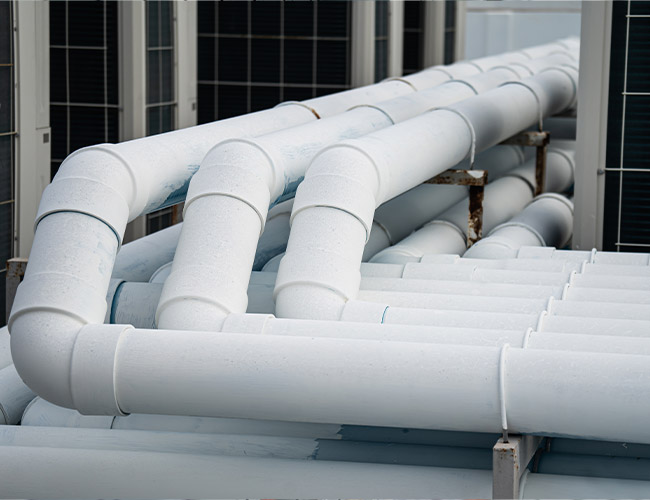
Welcome to our blog. We are a professional manufacturer specializing in high-performance PVC and PP-R piping systems, delivering integrated solutions for municipal engineering, building infrastructure, and residential hot and cold water applications worldwide.
👉 Follow us on Facebook for the latest product updates, technical insights, and real-world project cases.
👉 If you have project requirements or need a quotation, feel free to contact our team for fast response and customized pipeline solutions.
Please continue reading our blog for more industry insights, engineering expertise, and product innovations in advanced piping systems.
Table of Contents
Introduction
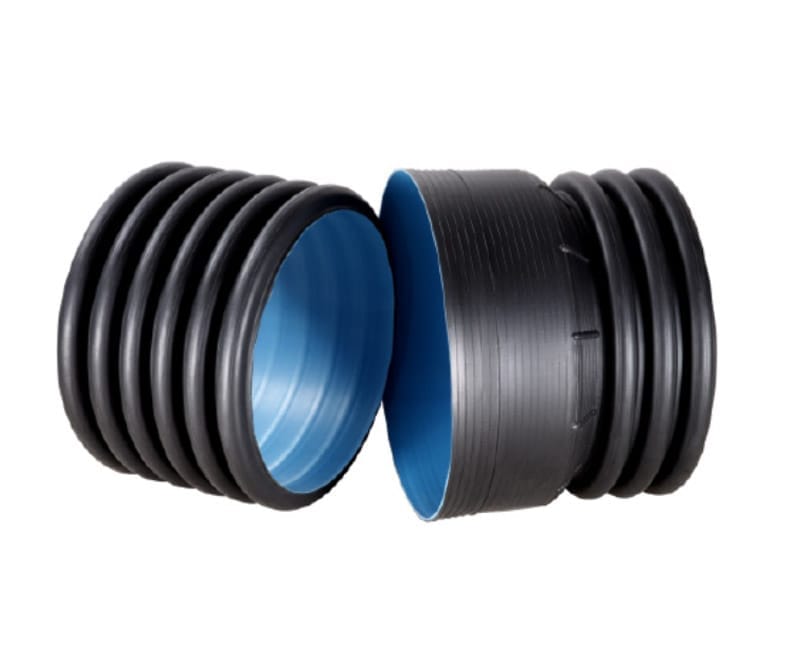
Modern infrastructure systems are undergoing a major transition from traditional rigid pipeline materials to high-performance polymer-based structural systems. Among these, corrugated plastic pipe has become a leading solution in drainage, sewage, agricultural irrigation, and underground utility protection.
Global engineering reports and infrastructure modernization white papers consistently highlight a clear trend: project developers are prioritizing lifecycle efficiency over initial procurement cost. In this context, understanding the corrugated plastic pipe cost guide is essential for engineers, contractors, and procurement teams who must balance durability, installation efficiency, and long-term operational stability.
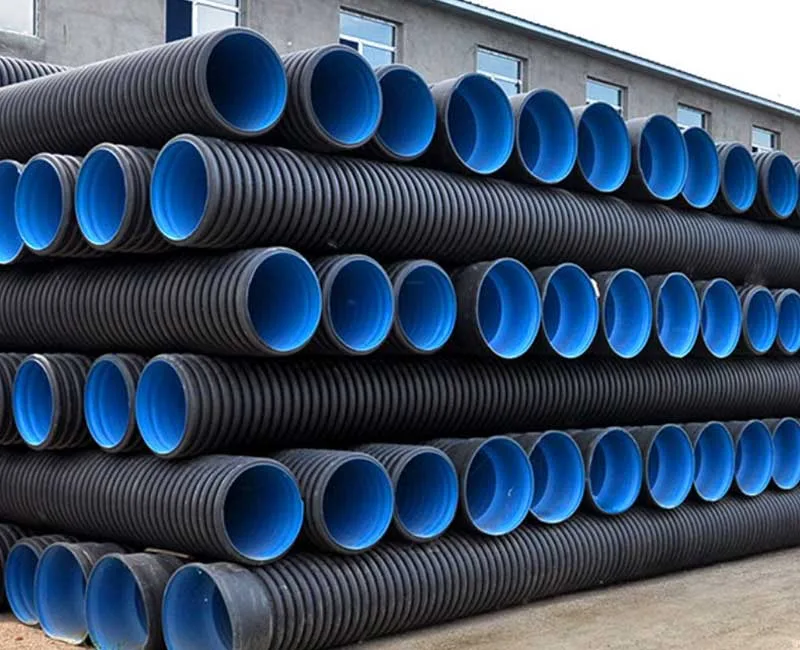
Unlike conventional pipe systems that rely heavily on material thickness and rigidity, corrugated plastic pipe systems utilize structural engineering principles—combining a smooth inner flow channel with a corrugated outer reinforcement layer. This design significantly improves load distribution while reducing raw material consumption, making it a cost-optimized solution for large-scale infrastructure deployment.
This expanded guide provides a deep technical, financial, and procurement-level analysis of cost structure, global standards, engineering case logic, and lifecycle evaluation models.
Executive Summary: What This Expanded Guide Covers
- Structural engineering principles behind corrugated plastic pipe systems
- Full cost breakdown including material, manufacturing, logistics, and installation
- International standards influencing procurement decisions
- Engineering-grade comparison with concrete, steel, and PVC systems
- SN stiffness classification impact on pricing models
- Real-world infrastructure case logic and industry adoption trends
- Lifecycle cost analysis and ROI optimization frameworks
- Market-driven pricing behavior and procurement strategy
- Frequently asked technical and buyer-oriented questions
Global Infrastructure Context and Market Trends
Rising Demand in Underground Infrastructure Systems
Urbanization and infrastructure renewal projects have significantly increased demand for high-performance drainage systems. Corrugated plastic pipe is widely adopted in:
- Municipal drainage networks
- Highway and railway infrastructure
- Industrial wastewater systems
- Agricultural irrigation modernization
International infrastructure development reports indicate a consistent shift toward polymer-based piping systems due to:
- Lower installation cost
- Higher corrosion resistance
- Reduced lifecycle maintenance
- Faster project execution timelines
Engineering Industry Trend Insight
White Paper Insight: Lifecycle Cost Priority Shift
Recent engineering procurement guidelines emphasize lifecycle cost over upfront cost, meaning buyers evaluate:
- Installation efficiency
- Maintenance frequency
- Service lifespan
- Replacement cycle
This shift has increased the competitiveness of corrugated plastic pipe systems in global procurement markets.
Corrugated Plastic Pipe Structural Engineering Fundamentals
Dual-Layer Structural Design Concept
Corrugated plastic pipe is engineered using a dual-wall system:
Smooth Inner Wall Function
The inner wall is designed to maximize hydraulic efficiency by minimizing flow resistance. This improves transport capacity and reduces sediment accumulation risk.
Corrugated Outer Wall Function
The outer layer provides structural reinforcement, distributing soil and external loads across the pipe body.
Engineering Concept: Structural Load Distribution System
The corrugated design works as a mechanical stress distribution network. Instead of relying on material thickness alone, it transfers external pressure along the wave-like structure, improving resistance without excessive material usage.
Corrugated Plastic Pipe Cost Structure Deep Breakdown
1. Raw Material Cost Dynamics
HDPE resin is the primary cost driver in corrugated plastic pipe manufacturing.
Market Behavior Insight
HDPE pricing is influenced by:
- Global petrochemical supply fluctuations
- Energy cost variations
- Polymer grade classification
- Production capacity utilization rates
2. Manufacturing Technology Cost
CNC-Controlled Extrusion Systems
Modern production lines include:
- Precision temperature control systems
- Automated extrusion calibration
- Vacuum forming stabilization technology
- Inline dimensional inspection systems
These systems improve consistency but increase capital investment, affecting unit cost.
3. Structural Grade Cost Influence (SN System)
| SN Class | Structural Function | Cost Impact Level | Typical Use Case |
|---|---|---|---|
| SN4 | Light load drainage | Low | Residential drainage |
| SN8 | Standard municipal | Medium | Urban infrastructure |
| SN10 | Heavy load systems | High | Industrial drainage |
| SN12.5 | Maximum load capacity | Very High | Highway & rail systems |
Engineering Interpretation
Higher SN values require:
- Increased wall thickness
- Enhanced material density
- Improved structural reinforcement
This directly increases corrugated plastic pipe cost due to higher material consumption.
Extended Cost Breakdown Table
| Cost Component | Description | Cost Sensitivity |
| Raw Material | HDPE resin content | Very High |
| Manufacturing | Extrusion & molding systems | High |
| Quality Control | Testing & certification | Medium |
| Transportation | Logistics & packaging | Medium |
| Installation | Labor & trenching | High |
| Site Preparation | Ground leveling | High |
| Compliance | Standards & permits | Medium |
| Maintenance Setup | Initial inspection | Low |
International Standards and Compliance Framework
GB 19472.1-2019 Standard Overview
Corrugated plastic pipe manufacturing often follows standardized requirements such as:
- Dimensional consistency requirements
- Structural load classification
- Material performance testing
- Ring stiffness classification
Engineering Certification Logic
Structural Testing Requirements
Typical test categories include:
- Ring stiffness compression testing
- Impact resistance evaluation
- Hydrostatic pressure testing
- Thermal deformation resistance
These standards ensure consistency in infrastructure-grade applications.
Corrugated Plastic Pipe vs Traditional Systems (Advanced Comparison)
Engineering Performance Comparison
| Feature | Corrugated Plastic Pipe | Concrete Pipe | Steel Pipe | PVC Pipe |
| Weight Efficiency | High | Low | Medium | High |
| Corrosion Resistance | Excellent | Medium | Poor | Good |
| Installation Speed | Very Fast | Slow | Medium | Fast |
| Maintenance Cost | Low | Medium | High | Low |
| Flexibility | High | Low | Medium | High |
| Lifespan Potential | Long | Medium | Medium | Medium |
Conceptual Engineering Difference
Structural Flexibility Model vs Rigid Load Model
Corrugated plastic pipes absorb soil movement through flexible deformation, while concrete pipes rely on rigid load resistance.
Advanced Application Engineering Analysis
Municipal Infrastructure Systems
Used in:
- Stormwater drainage
- Sewage networks
- Urban underground water systems
Cost variation depends on:
- Pipeline depth
- Load intensity
- Urban density conditions
Industrial Fluid Transport Systems
Industrial environments require:
- Chemical resistance stability
- High durability under continuous flow
- Pressure resistance optimization
Agricultural Irrigation Systems
Agricultural applications prioritize:
- Low installation cost
- Easy deployment
- Resistance to soil chemicals
Transportation Infrastructure Systems
Includes:
- Highway drainage
- Railway seepage control
- Airport subsurface water systems
These systems require higher SN classification pipes.
Real Engineering Case Logic (Industry Application Models)
Case Model 1: Urban Drainage Upgrade Project
A municipal infrastructure upgrade replaces aging rigid pipe systems with corrugated plastic pipe systems.
Key outcomes:
- Reduced installation time
- Lower maintenance cycles
- Improved flow efficiency
Case Model 2: Highway Drainage System
High-load environments require SN10–SN12.5 rated systems.
Key engineering priorities:
- Load resistance
- Structural durability
- Long-term soil stability compatibility
Case Model 3: Agricultural Irrigation Modernization
Large-scale farmland irrigation networks adopt lightweight corrugated systems for cost efficiency and rapid deployment.
Installation Engineering Cost Optimization
Modular Installation System Concept
Segment-Based Construction Logic
Pipeline systems are installed in modular segments to reduce:
- Labor time
- Equipment dependency
- Installation error rates
Trench Engineering Optimization
Proper trench design significantly reduces:
- Structural deformation risk
- Long-term maintenance cost
- Installation rework frequency
Lifecycle Cost and ROI Engineering Model
Lifecycle Cost Framework
Total cost includes:
- Initial procurement cost
- Installation cost
- Maintenance cost
- Replacement cost
ROI Optimization Concept
Corrugated plastic pipe systems optimize ROI through:
- Reduced maintenance frequency
- Longer service life
- Lower installation cost
Market Pricing Behavior Analysis
Key Market Drivers
- Raw material volatility
- Infrastructure investment cycles
- Regional construction demand
- Transportation cost fluctuations
Procurement Strategy Insight
Buyers typically evaluate:
- Long-term durability vs upfront cost
- Supplier reliability
- Compliance certification level
- Installation support capability
Conclusion
The expanded corrugated plastic pipe cost guide demonstrates that pricing is determined by a complex interaction of material science, structural engineering, manufacturing technology, and installation conditions.
Rather than focusing solely on unit price, modern infrastructure procurement emphasizes lifecycle performance, installation efficiency, and long-term maintenance savings.
Corrugated plastic pipe systems continue to gain global adoption because they offer a balanced engineering solution—combining structural strength, hydraulic efficiency, and cost optimization across municipal, industrial, and agricultural applications.
For engineers and procurement teams, the key to cost optimization lies in understanding system-level performance rather than isolated material pricing. This shift is redefining how modern pipeline infrastructure is designed, purchased, and implemented.
FAQ
Why is corrugated plastic pipe cost different between suppliers?
Differences come from material grade, production technology, SN classification, and quality control standards.
Is corrugated plastic pipe suitable for heavy load environments?
Yes, but only higher SN-rated systems such as SN10 or SN12.5 are recommended for heavy load infrastructure.
What is the biggest cost factor in corrugated plastic pipe systems?
Raw material (HDPE resin) and structural reinforcement design are the primary cost drivers.
How long can corrugated plastic pipe last in underground systems?
With proper installation and environmental conditions, it can operate for extended service periods in buried applications.
Is corrugated plastic pipe better than concrete pipe?
In many modern applications, yes—especially in terms of installation speed, corrosion resistance, and lifecycle cost efficiency.
What standards ensure pipe quality?
International and national standards such as GB 19472.1-2019 define performance, structure, and testing requirements.