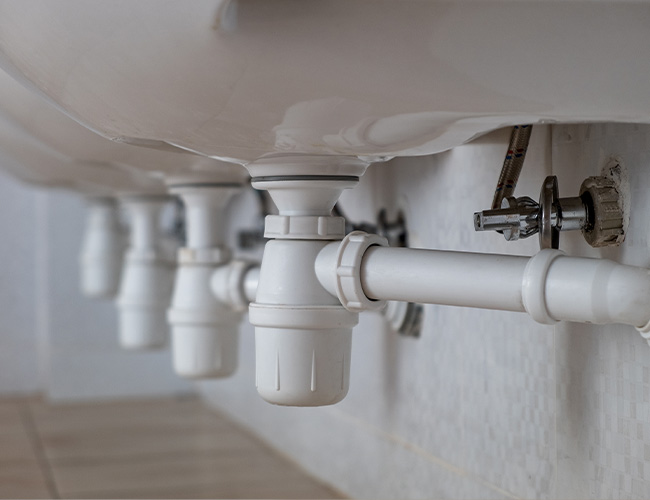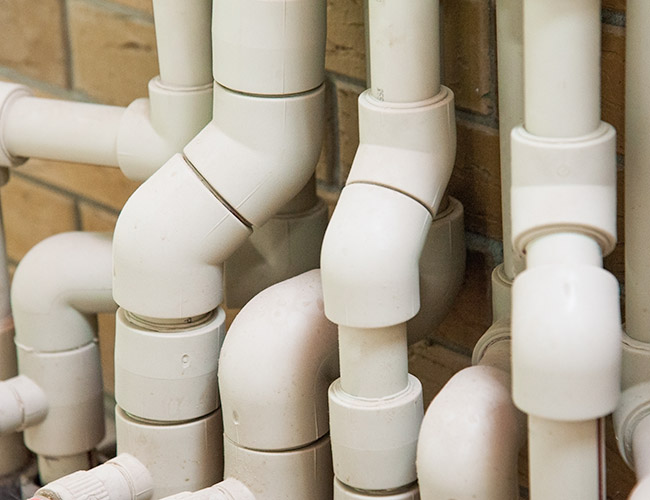
Welcome to our blog. We are a professional manufacturer specializing in high-performance PVC and PP-R piping systems, delivering integrated solutions for municipal engineering, building infrastructure, and residential hot and cold water applications worldwide.
👉 Follow us on Facebook for the latest product updates, technical insights, and real-world project cases.
👉 If you have project requirements or need a quotation, feel free to contact our team for fast response and customized pipeline solutions.
Please continue reading our blog for more industry insights, engineering expertise, and product innovations in advanced piping systems.
Table of Contents
In modern infrastructure and industrial systems, selecting the right high pressure plastic pipe is no longer a simple procurement decision—it is a strategic investment that directly impacts system safety, lifecycle cost, and operational efficiency. With global demand for durable, corrosion-resistant, and cost-effective piping solutions rising rapidly, engineers, contractors, and buyers must navigate a wide range of materials, standards, and technical specifications.
Whether for municipal water supply, building infrastructure, or industrial fluid transport, making the wrong choice can lead to pressure failures, leakage risks, and increased maintenance costs. This comprehensive guide provides a structured, data-driven approach to help you evaluate, compare, and confidently choose the most suitable high pressure plastic pipe for your project.
Key Takeaways Before Choosing High Pressure Plastic Pipe
- Understand pressure ratings (PN) and SDR values to ensure safety
- Select materials based on temperature, chemical exposure, and application
- Compare lifecycle cost instead of focusing only on initial price
- Follow international standards such as ISO, ASTM, and DIN
- Evaluate supplier quality systems and production capabilities
- Avoid common mistakes such as underestimating pressure or environmental impact
Understanding High Pressure Plastic Pipe Selection Criteria
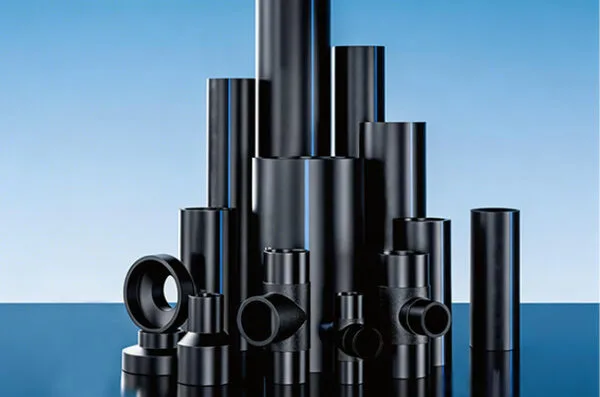
High pressure plastic pipe systems are engineered to handle demanding conditions where strength, durability, and resistance to environmental factors are critical. These pipes are widely used in:
- Municipal water supply systems
- Industrial chemical transport
- Building hot and cold water systems
- Agricultural irrigation under pressure
A systematic selection process ensures compatibility with system requirements and reduces long-term operational risks.
Key Factors When Choosing High Pressure Plastic Pipe
Pressure Rating and SDR Value in High Pressure Plastic Pipe
Pressure rating (PN) defines the maximum allowable internal pressure a pipe can sustain at a specified temperature, typically 20°C.
SDR (Standard Dimension Ratio) is calculated as:
SDR = Outside Diameter / Wall Thickness
Lower SDR values indicate thicker walls and higher pressure resistance. For example:
- SDR 11 → High pressure applications (PN16–PN20)
- SDR 17 → Medium pressure systems
- SDR 26 → Low pressure applications
Selecting the correct SDR ensures structural integrity and prevents pipe deformation or rupture.
Material Types for High Pressure Plastic Pipe
Material selection directly influences performance, durability, and application suitability.
PVC (Polyvinyl Chloride)
PVC pipes are widely used due to their affordability and corrosion resistance.
They are ideal for cold water systems and municipal pipelines but have limited temperature tolerance.
PP-R (Polypropylene Random Copolymer)
PP-R pipes are designed for hot and cold water systems.
They offer excellent thermal stability, withstanding temperatures up to 95°C, making them suitable for residential and commercial plumbing.
HDPE (High-Density Polyethylene)
HDPE pipes are highly flexible and impact-resistant.
They are commonly used in underground installations and industrial transport systems where flexibility and durability are required.
Temperature Resistance in High Pressure Plastic Pipe
Temperature has a direct impact on pipe strength and pressure capacity.
For example, PVC pipes may lose up to 50% of their pressure capacity at temperatures above 60°C, while PP-R maintains performance under high temperatures.
Temperature derating factors must be considered during system design to ensure safety and longevity.
Chemical Resistance and Durability
High pressure plastic pipe systems are resistant to a wide range of chemicals, including acids, alkalis, and salts.
This makes them suitable for industrial applications such as chemical processing and wastewater treatment. However, compatibility charts should always be referenced to ensure long-term stability.
International Standards for High Pressure Plastic Pipe
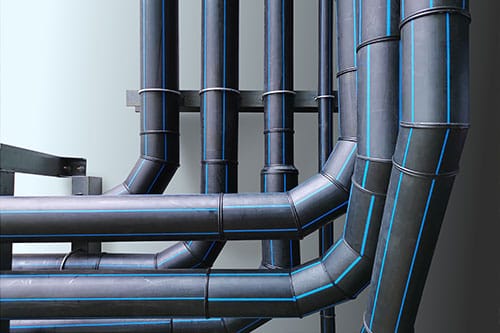
Compliance with global standards ensures product reliability and performance consistency.
Common Standards
- ISO 4427: Polyethylene pipes for water supply
- ISO 15874: PP-R piping systems
- ASTM D1785: PVC pressure pipes
- DIN 8077/8078: PP pipe dimensions and requirements
These standards define parameters such as pressure ratings, material properties, and testing methods.
Certification and Testing Requirements
High pressure plastic pipe products typically undergo:
- Hydrostatic pressure testing
- Impact resistance testing
- Thermal stability evaluation
- Long-term creep rupture testing
Certified products provide assurance of performance under real-world conditions.
Comparison: High Pressure Plastic Pipe vs Traditional Materials
| Feature | High Pressure Plastic Pipe | Steel Pipe | Ductile Iron Pipe |
|---|---|---|---|
| Corrosion Resistance | Excellent | Poor | Moderate |
| Weight | Lightweight | Heavy | Very Heavy |
| Installation Cost | Low | High | High |
| Flexibility | High | Low | Low |
| Maintenance Requirement | Minimal | High | Moderate |
| Lifespan | 50–100 Years | 20–30 Years | 30–50 Years |
| Internal Smoothness | High (low friction loss) | Moderate | Moderate |
This comparison demonstrates the increasing adoption of high pressure plastic pipe systems in modern engineering projects.
Application-Based Selection of High Pressure Plastic Pipe
Municipal Engineering Applications
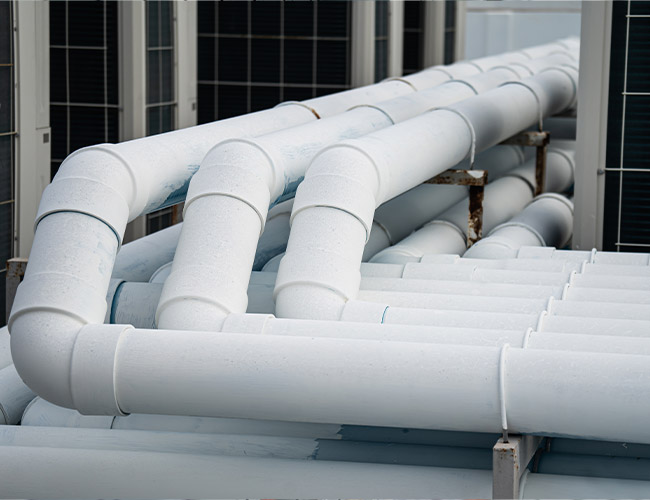
High pressure plastic pipe is widely used in urban water supply networks due to its long lifespan and resistance to corrosion.
Case studies show that replacing metal pipes with plastic systems can reduce leakage rates by up to 30% and maintenance costs by 20%.
Building Infrastructure Systems
In residential and commercial buildings, high pressure plastic pipe systems are used for:
- Hot and cold water distribution
- Heating systems
- Drinking water pipelines
PP-R pipes are preferred due to their hygienic properties and thermal resistance.
Industrial Fluid Transport
Industrial applications require pipes that can withstand high pressure and chemical exposure.
High pressure plastic pipe systems are used in:
- Chemical plants
- Oil and gas auxiliary systems
- Food processing industries
Hydraulic Performance and Flow Efficiency
Smooth Inner Surface Advantage
High pressure plastic pipe systems have a low roughness coefficient (typically 0.007 mm), which reduces friction loss.
This improves flow efficiency and reduces energy consumption in pumping systems.
Energy Savings in Pipeline Systems
Studies indicate that plastic pipes can reduce pumping energy consumption by 10–30% compared to traditional materials due to smoother internal surfaces.
Installation Methods for High Pressure Plastic Pipe
Welding and Jointing Techniques
- Heat fusion (for PP-R and HDPE)
- Solvent cementing (for PVC)
- Mechanical fittings
Proper jointing ensures leak-free performance and system reliability.
Underground vs Above-Ground Installation
High pressure plastic pipe can be installed in various environments:
- Underground: Requires soil load considerations
- Above-ground: Requires UV protection
Environmental factors must be considered during installation planning.
Cost and Lifecycle Considerations
Initial Cost vs Long-Term Value
While the initial cost of high pressure plastic pipe may be competitive, the real value lies in long-term savings:
- Reduced maintenance costs
- Lower installation labor
- Extended service life
Lifecycle cost analysis often shows 20–40% savings compared to metal piping systems.
Maintenance and Replacement Cycles
High pressure plastic pipe systems require minimal maintenance due to:
- Corrosion resistance
- Scale-free internal surfaces
- High durability
This significantly reduces downtime and operational costs.
Environmental Impact and Sustainability
Recyclability and Carbon Footprint
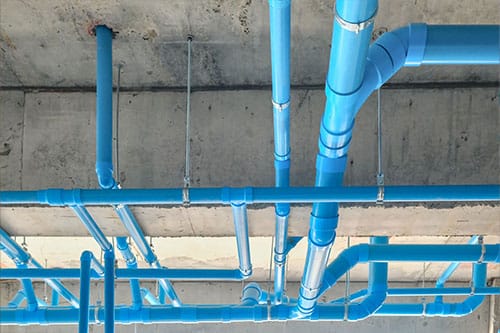
Many high pressure plastic pipe materials are recyclable, contributing to sustainable construction practices.
Compared to metal pipes, plastic pipes have a lower carbon footprint during production and transportation.
Water Loss Reduction
Leakage reduction in modern plastic piping systems contributes to water conservation, which is critical in urban infrastructure development.
Common Mistakes When Choosing High Pressure Plastic Pipe
Ignoring Pressure Requirements
Failure to match pressure ratings with system requirements can lead to pipe failure and safety risks.
Always include a safety margin when selecting pressure ratings.
Overlooking Installation Environment
Environmental conditions such as UV exposure, temperature fluctuations, and soil composition can affect performance.
Selecting the wrong material may reduce pipe lifespan.
Focusing Only on Price
Choosing the cheapest option often leads to higher long-term costs due to maintenance and replacement.
A balanced evaluation of quality, certification, and supplier reliability is essential.
Industry Trends and Market Insights
Growing Demand for High Pressure Plastic Pipe
According to industry reports, the global plastic pipe market is expected to grow at a CAGR of over 5% through 2030.
This growth is driven by urbanization, infrastructure development, and increasing demand for sustainable materials.
Technological Innovations
Recent advancements include:
- Multi-layer composite pipes
- Enhanced UV-resistant materials
- Smart pipeline monitoring systems
These innovations improve performance and expand application possibilities.
FAQ
What is the best material for high pressure plastic pipe?
The best material depends on the application. PVC is suitable for cold water systems, PP-R for hot water, and HDPE for flexible and underground installations.
How do I choose the right pressure rating?
Determine system operating pressure and select a pipe with a higher rating, including a safety margin to ensure long-term reliability.
Is high pressure plastic pipe suitable for industrial use?
Yes, it is widely used in industrial applications due to its chemical resistance and durability.
How long does high pressure plastic pipe last?
Most systems have a lifespan of 50–100 years under proper conditions.
Can high pressure plastic pipe replace metal pipes?
Yes, in many applications, it offers better corrosion resistance, lower cost, and easier installation.
Conclusion
Choosing the right high pressure plastic pipe requires a comprehensive evaluation of pressure ratings, material properties, application requirements, and lifecycle costs.
By following international standards, understanding performance characteristics, and avoiding common mistakes, buyers and engineers can ensure safe, efficient, and durable piping systems.
As infrastructure demands continue to evolve, high pressure plastic pipe systems will remain a critical component in delivering reliable and sustainable fluid transport solutions.