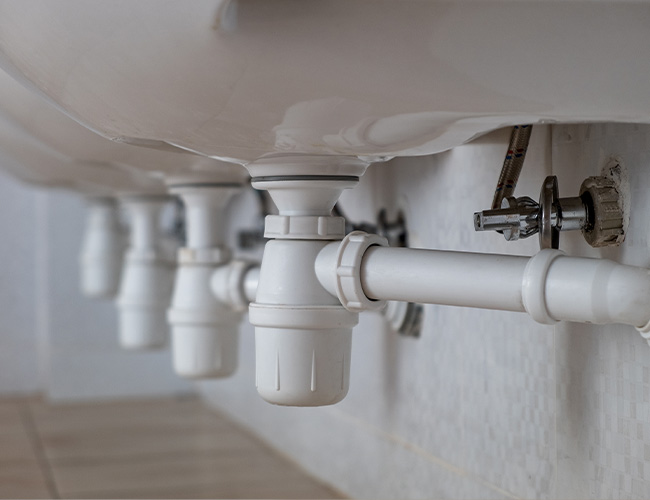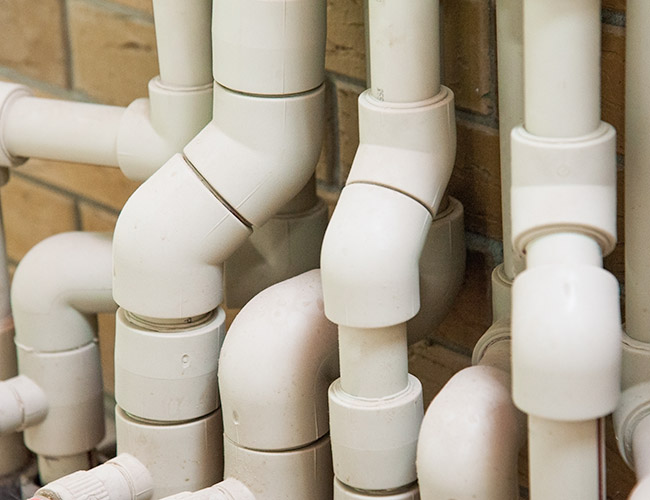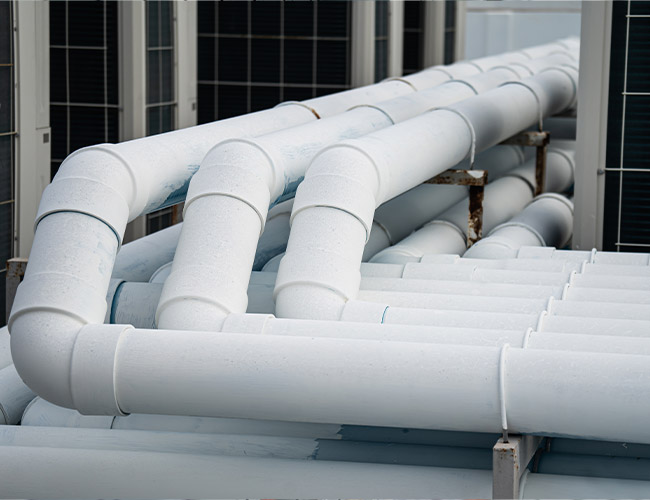
Polyvinyl Chloride (PVC) pipes are widely used in residential, commercial, and industrial piping systems due to their lightweight structure, chemical resistance, and ease of installation. While most discussions focus on their durability and corrosion resistance, an emerging concern in some industrial and residential contexts is static electricity. Static discharge can pose safety hazards in sensitive environments, interfere with electronic systems, or cause sparks in flammable areas.
This report examines the relationship between PVC pipes and static electricity, exploring whether PVC pipes can prevent or reduce static buildup, and what practical measures can be adopted to ensure safety and system efficiency.
1. Understanding Static Electricity in Plumbing Systems
Static electricity is an imbalance of electric charges on a material’s surface. In piping systems, static can accumulate due to:
- Flow of liquids: High-velocity water or other fluids can generate friction against pipe walls.
- Air movement: Gas or air moving through the pipe may contribute to charge buildup.
- Pipe material properties: Non-conductive materials tend to accumulate static because they do not allow charges to dissipate naturally.
While static electricity is more commonly associated with electrical equipment, fuel lines, or industrial fluid transport, understanding its interaction with PVC is essential for certain sensitive applications, such as chemical plants or laboratories.
2. Electrical Properties of PVC Pipes
PVC is a thermoplastic polymer composed of chlorine, carbon, and hydrogen. Its key electrical characteristics include:
- High Electrical Resistivity: PVC is an excellent insulator, meaning it does not easily conduct electricity.
- Non-Metallic Nature: Unlike metal pipes, PVC does not provide a natural path for electrical charges to dissipate.
- Low Surface Conductivity: Charges generated on the surface of PVC remain localized, which can lead to static accumulation under certain conditions.
These properties make PVC safe for most residential plumbing purposes but also imply that PVC pipes alone cannot actively prevent static electricity, since they do not conduct the charge away.
3. Can PVC Prevent Static Electricity?
The short answer is nuanced. PVC does not conduct electricity, so it does not cause sparks like metal pipes carrying faulty currents. In that sense, PVC is safer in environments where accidental electrical conduction is a concern.
However, because PVC is an insulator, it cannot inherently prevent static buildup caused by fluid flow, air movement, or friction. In high-risk industrial or chemical applications where static discharge could ignite flammable liquids or gases, additional measures are needed:
- Grounding or Earthing: Metal conductors connected to PVC piping systems can provide a safe path for static charge dissipation.
- Anti-Static Coatings: Some industrial PVC pipes can be treated with additives or surface coatings to increase conductivity slightly and reduce static accumulation.
- Controlled Fluid Flow: Reducing fluid velocity or turbulence can help minimize friction-induced static charges.
For residential water or drainage systems, static electricity is rarely a practical concern, and PVC’s insulating properties make it generally safe.
4. Comparative Perspective with Metal Pipes
Metal pipes behave differently under static conditions:
- Conductivity: Metal pipes naturally dissipate static charge, preventing accumulation.
- Risk of Sparking: If connected to electrical faults or in contact with flammable substances, metal pipes can conduct sparks.
- Corrosion Susceptibility: Metal pipes may corrode over time, potentially affecting grounding efficiency.
PVC pipes, by contrast, do not corrode and do not conduct electricity, making them safer in non-grounded environments. But their inability to dissipate static means additional grounding or anti-static measures may be necessary in industrial settings.
5. Applications Where Static Buildup Matters
5.1 Residential Plumbing
In homes, static electricity in PVC pipes is negligible. Normal water flow, heating systems, and drainage rarely create charges large enough to pose a risk.
5.2 Chemical and Pharmaceutical Facilities
Industries dealing with flammable liquids or powders must consider static accumulation. PVC pipes used in ventilation, chemical transport, or powder conveyance may require grounding or conductive additives to prevent hazardous discharge.
5.3 Fuel or Gas Transport
In fuel lines, static buildup is a major safety concern. PVC alone cannot prevent sparks; proper grounding, anti-static hoses, and conductive pipe options are essential.
5.4 Electronics Manufacturing and Laboratories
In cleanrooms or labs where sensitive electronic equipment operates, static buildup from non-conductive pipes can interfere with equipment. Measures include static dissipative coatings or monitoring of pipe-induced static fields.
6. Best Practices for Minimizing Static in PVC Piping
- Ground PVC Pipes When Necessary
- For industrial applications, connect metallic grounding strips or earthing wires along PVC pipelines.
- Use Anti-Static or Conductive PVC Materials
- Some manufacturers offer PVC with conductive fillers that allow slow dissipation of static charges.
- Control Flow Rate and Turbulence
- Reducing high-velocity fluid flow minimizes friction-induced static.
- Regular Inspection and Maintenance
- Ensure grounding connections remain intact, and monitor static-sensitive environments for charge accumulation.
- Use Conductive Fittings
- Metal or hybrid fittings at key points can provide charge dissipation paths without compromising PVC’s advantages.
7. Expert Opinions
Dr. Emily Chen, a materials engineer, comments:
“PVC pipes are excellent insulators, which makes them safe in most residential and commercial settings. However, in industrial processes involving flammable liquids, static discharge must be addressed through grounding and anti-static treatments.”
Industrial safety consultant Michael Rodriguez adds:
“PVC itself does not prevent static, but when combined with proper engineering measures like conductive coatings or metallic grounding, it becomes a safe and reliable option for sensitive applications.”
8. Advantages of PVC Despite Static Limitations
Even though PVC does not prevent static electricity by itself, it offers many other benefits:
- Corrosion Resistance: PVC does not rust, ensuring long-term durability.
- Lightweight and Easy to Install: Reduces labor costs and structural loads.
- Chemical Resistance: Handles most household and industrial chemicals without degradation.
- Low Maintenance: Smooth internal surfaces minimize deposits and biofilm.
- Cost-Effective: Lower material and installation costs than metal alternatives.
These advantages often outweigh the need for static mitigation in residential or normal industrial settings.
9. Conclusion
Can PVC pipes prevent static electricity? The answer depends on context:
- Residential and General Commercial Use: Static electricity is negligible. PVC’s insulating nature makes it safe and low-maintenance.
- Industrial, Flammable, or Sensitive Environments: PVC alone cannot prevent static. Additional grounding, anti-static coatings, or conductive measures are required to ensure safety.
PVC pipes remain an excellent solution for plumbing, chemical, and drainage systems due to durability, corrosion resistance, and ease of installation. For static-sensitive applications, combining PVC with proper safety engineering ensures both reliability and protection.