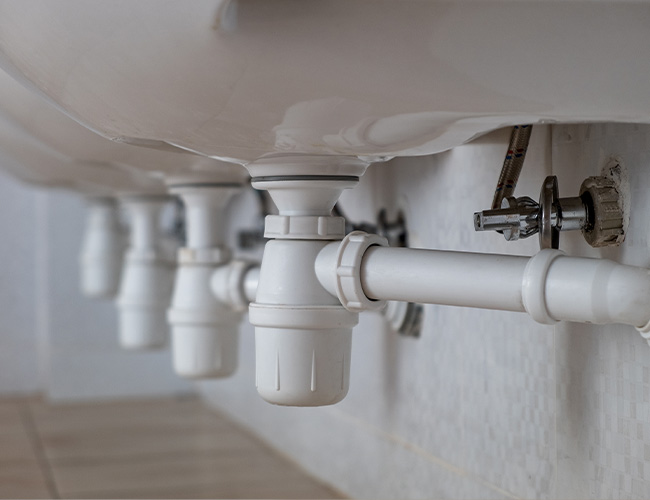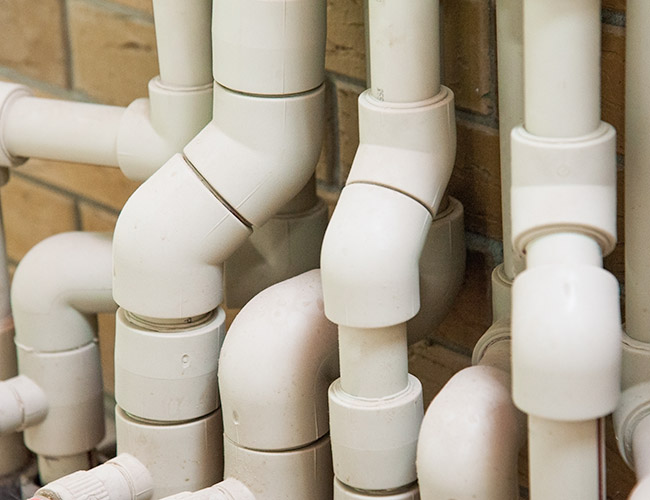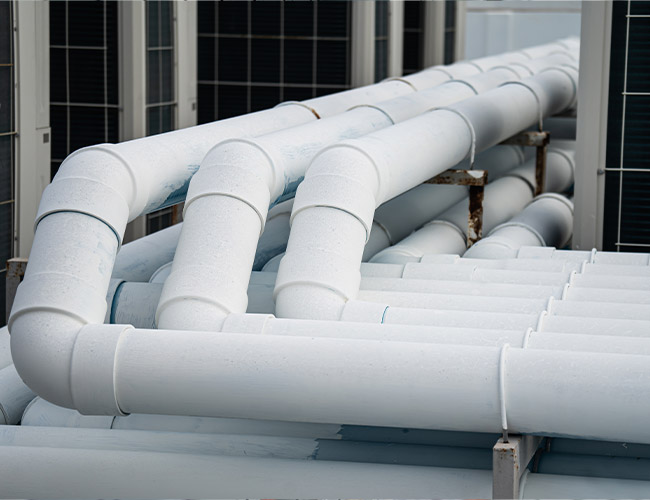
PPR (Polypropylene Random Copolymer) pipes have become increasingly popular in residential, commercial, and industrial plumbing systems. Known for durability, heat resistance, and ease of installation, PPR pipes are widely used in hot and cold water distribution, heating systems, and industrial piping applications. One of the key advantages frequently highlighted is their ability to resist corrosion, a crucial factor affecting the lifespan, efficiency, and safety of plumbing systems.
This report explores the science behind PPR pipes, their corrosion-resistant properties, practical applications, and maintenance considerations to answer the question: Can PPR pipes truly prevent corrosion?
Understanding PPR Pipes
Polypropylene Random Copolymer (PPR) is a thermoplastic polymer commonly used in piping systems. Unlike metal pipes, PPR is composed of a polymer matrix with randomly arranged polypropylene chains, giving it both flexibility and strength.
Key characteristics of PPR pipes include:
- Chemical Resistance: PPR pipes are highly resistant to acids, alkalis, and salts commonly found in water.
- Temperature and Pressure Tolerance: They can handle hot water up to 95°C and pressure levels suitable for both residential and commercial systems.
- Durability: Under normal operating conditions, PPR pipes can last over 50 years.
- Non-Metallic Nature: Being plastic, PPR pipes do not corrode like iron or steel.
These properties make PPR pipes an attractive alternative to metal pipes, especially in areas prone to corrosion or where water quality may accelerate metal deterioration.
Why Corrosion Is a Problem
Corrosion in traditional plumbing materials such as galvanized steel, copper, and iron can lead to several issues:
- Pipe Deterioration and Leakage – Corroded pipes weaken over time, causing cracks, leaks, and water damage.
- Reduced Water Flow – Rust and scale buildup narrow pipe diameters, lowering water pressure and flow.
- Water Contamination – Corroded pipes can release rust, heavy metals, and other harmful substances into drinking water.
- High Maintenance Costs – Frequent repairs and replacements increase long-term costs for homeowners and facilities.
Given these challenges, corrosion-resistant piping materials like PPR are highly valued in modern plumbing.
Corrosion Resistance of PPR Pipes
Non-Metallic Advantage
Since PPR pipes are fully plastic, there is no metal to oxidize or react with water. Unlike steel or copper, they will not rust or corrode under normal conditions.
Chemical Stability
PPR pipes are resistant to a wide range of chemicals, including chlorine, salts, and mildly acidic or alkaline substances in municipal water. This chemical stability prevents the slow deterioration often seen in metal pipes.
Temperature and Pressure Resilience
Even under hot water conditions or high-pressure systems, PPR maintains its structural integrity. Metal pipes, by contrast, may develop pitting, corrosion, or surface degradation under similar conditions.
Smooth Internal Surface
The smooth inner wall of PPR pipes prevents the accumulation of biofilm, rust, and mineral deposits, ensuring consistent water flow and maintaining water quality.
Expert Insight:
“One of the biggest benefits of PPR pipes is that they eliminate corrosion, a major cause of plumbing failure. For residential and industrial water systems, this ensures long-term reliability and reduced maintenance,” says Dr. Emily Chen, a materials engineer specializing in polymeric piping systems.
Comparative Advantages Over Traditional Pipes
Compared with metal pipes, PPR pipes offer several advantages:
- Excellent corrosion resistance, unlike steel or copper, which are prone to rust over time.
- High chemical resistance, reducing the risk of deterioration from water impurities or cleaning chemicals.
- Longer lifespan, often exceeding 50 years with proper installation.
- Lower maintenance requirements due to their non-metallic and smooth structure.
- Reliable performance under high temperature and pressure, suitable for hot water and heating systems.
These qualities make PPR pipes an ideal choice for residential, commercial, and industrial plumbing applications.
Practical Applications
Residential Hot and Cold Water Systems
PPR pipes are widely used in homes for delivering potable water safely. Their corrosion resistance ensures clean water and reduces the likelihood of leaks, protecting both property and health.
Commercial and Industrial Buildings
Hotels, offices, hospitals, and factories benefit from PPR pipes’ durability and chemical stability. In industrial facilities, these pipes maintain safe water and process lines even under continuous operation.
Heating and HVAC Systems
PPR pipes are suitable for heating systems such as underfloor heating or radiator connections. They withstand high temperatures and are unaffected by oxygenated water in closed-loop systems, preventing corrosion-related failures.
Sensitive Municipal Applications
Although less common for large municipal water mains, PPR pipes are used in areas requiring corrosion resistance, such as hospitals, schools, and chemical facilities. These pipes help maintain water quality and system reliability in critical environments.
Maintenance and Best Practices
Even corrosion-resistant PPR pipes require proper handling:
- Avoid Excessive Heat Exposure – Do not exceed 95°C to prevent deformation.
- Prevent Physical Damage – Avoid heavy impacts or over-bending during installation.
- Clean During Installation – Ensure no debris or welding fragments remain inside the pipes.
- Use Compatible Fittings – Fusion-welded joints or proper mechanical connections maintain system integrity.
- Regular System Checks – Inspect joints, valves, and connections periodically to identify leaks or wear early.
Following these practices ensures long-term performance and maximizes the benefits of corrosion resistance.
Expert Opinions
Dr. Michael Rodriguez, a civil engineer, states:
“For any plumbing project where water quality and system longevity matter, PPR pipes are the superior choice. Unlike metals, they do not corrode, ensuring decades of reliable service.”
Construction manager Sarah Lee adds:
“In multi-story buildings, reducing maintenance costs and avoiding water contamination is essential. PPR pipes are lightweight, easy to install, and solve corrosion problems we often faced with steel pipes.”
Limitations and Considerations
While PPR pipes are highly resistant to corrosion, some limitations exist:
- UV Sensitivity: Prolonged exposure to sunlight can degrade the pipe surface.
- Physical Damage: Improper handling or impacts may cause cracks or leaks.
- Temperature Limits: Continuous exposure above rated temperatures can deform the pipe.
Adhering to proper installation and usage guidelines prevents these issues from compromising the benefits of PPR pipes.
Conclusion
Can PPR pipes prevent corrosion? The answer is yes. Their non-metallic composition, chemical stability, smooth inner surface, and heat resistance make them highly resistant to corrosion compared to traditional metal pipes.
For homeowners, building managers, and industrial operators, PPR pipes provide:
- Long-term reliability
- Reduced maintenance and repair costs
- Safe, high-quality water delivery
- Easy installation and durability
Selecting certified PPR pipes, following proper installation techniques, and performing periodic inspections ensures maximum performance. As urban water infrastructure ages and metal pipe corrosion becomes more problematic, PPR pipes offer a modern, cost-effective solution for safe and durable plumbing systems.