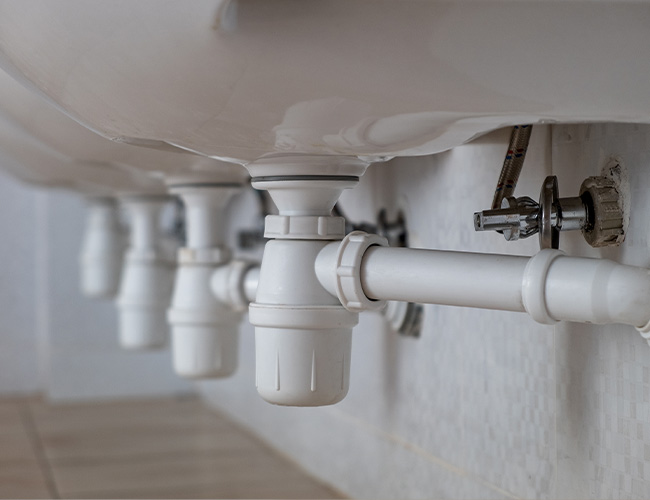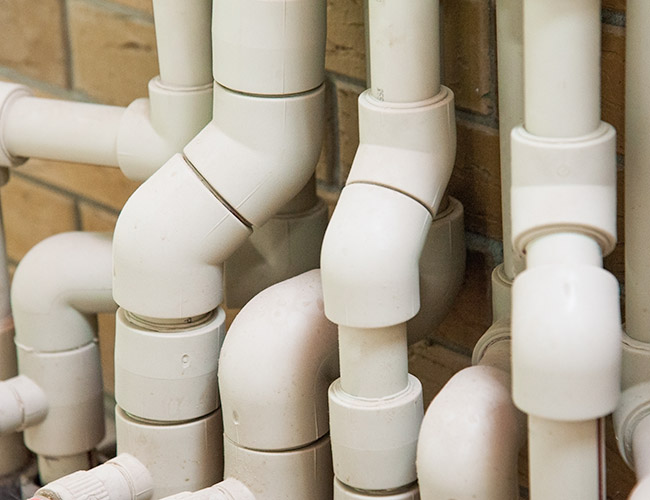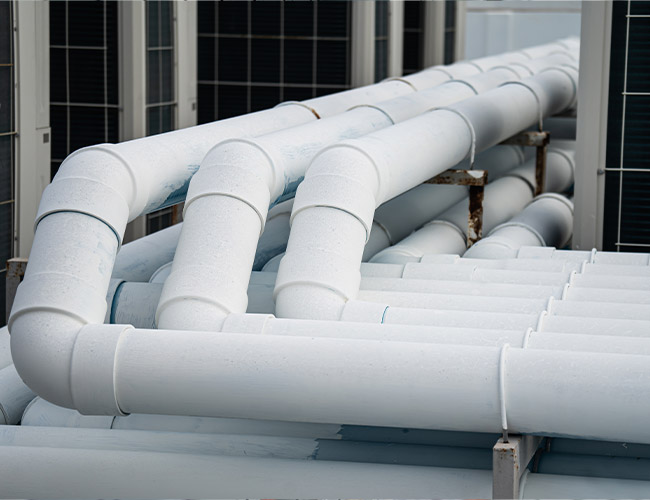
PVC pipes are one of the most widely used materials in modern plumbing systems, from residential homes to commercial buildings. Their durability, corrosion resistance, and cost-effectiveness make them a preferred choice for water supply, drainage, heating, and waste management. However, even the most reliable PVC pipes are prone to blockages over time due to improper use, accumulated debris, or installation issues.
With plumbing blockages causing significant inconvenience and sometimes serious property damage, experts have weighed in on the most effective methods to unclog PVC pipes, helping homeowners, property managers, and facility operators keep their systems running smoothly.
1. Common Causes of PVC Pipe Blockages
Understanding why PVC pipes become clogged is crucial to preventing problems. Experts identify several main causes:
1. Grease and Food Residue
Kitchen sinks often face blockages from cooking oils, fats, and food particles. These materials adhere to the pipe walls, especially after cooling, gradually narrowing the pipe’s diameter and slowing water flow.
2. Hair and Fibrous Material
Bathroom drains are frequently obstructed by hair, lint, and fibers. Showers, bathtubs, and sink drains accumulate these materials, which form clogs that are difficult to remove without intervention.
3. Foreign Objects
Small items like cotton swabs, toothpicks, or even small toys accidentally dropped into drains can create immediate blockages, particularly in household plumbing.
4. Mineral and Scale Buildup
In areas with hard water, minerals like calcium and magnesium gradually deposit inside PVC pipes, creating scale that reduces water flow and makes clogs more likely.
5. Improper Installation or Pipe Design
Pipes with too many bends, insufficient slope, or incorrect diameter are prone to clogging. Older buildings often experience these issues, as plumbing codes and techniques were less stringent.
2. DIY Methods for Unclogging PVC Pipes
For minor to moderate blockages, homeowners can try several practical approaches:
2.1 Hot Water Flush
How it works: Hot water helps dissolve grease and minor residue.
Method:
- Boil water (not exceeding PVC’s heat tolerance, typically under 60°C / 140°F).
- Slowly pour it down the clogged drain.
- For kitchen grease clogs, adding a small amount of dish soap can enhance effectiveness.
2.2 Mechanical Tools
Handheld Drain Snake / Auger:
- Effective for hair, fibers, and small debris.
- Insert the snake into the pipe, rotate, and pull out or push debris further down.
Plunger:
- Works for drains with standing water.
- Cover the drain, pump the plunger rapidly to create pressure changes that dislodge the blockage.
2.3 Eco-Friendly Drain Cleaners
Traditional chemical cleaners often contain strong acids or bases that can damage PVC or harm the user.
- Enzyme-based or biodegradable cleaners safely break down organic matter like grease or hair.
- Follow the product instructions carefully to prevent overuse and avoid pipe damage.
2.4 Home Remedies
Baking Soda + Vinegar:
- Pour half a cup of baking soda followed by half a cup of vinegar into the drain.
- Wait 15–20 minutes for the reaction to loosen clogging material.
- Flush with hot water afterward.
Salt Flush:
- Dissolve salt in hot water and pour it into the drain.
- The abrasive action can help remove minor buildup inside the pipe.
3. Professional Unclogging Techniques
For stubborn or severe blockages, professional services are recommended:
3.1 High-Pressure Water Jetting
- Uses a pressurized water stream to clear grease, scale, and debris.
- Particularly effective for kitchen grease, sediment, or long pipe runs.
3.2 Pipe Inspection with Camera
- Small cameras inserted into the pipe help locate the exact point of blockage.
- Accurate diagnosis prevents unnecessary damage and ensures proper treatment.
3.3 Pipe Replacement or Partial Repair
- For old or heavily scaled pipes, partial replacement or rerouting may be necessary.
- Correcting design flaws or replacing deteriorated sections ensures long-term reliability.
4. Preventive Maintenance Tips
Keeping PVC pipes clear is easier than frequent repairs. Experts recommend the following preventive measures:
- Regular Cleaning
- Flush drains with hot water or an eco-friendly cleaner every 1–2 months to prevent buildup.
- Avoid Foreign Objects
- Install strainers or drain covers in bathrooms to catch hair, lint, and debris.
- Avoid pouring large food particles or excessive grease into kitchen sinks.
- Respect PVC Limits
- Avoid extremely hot liquids exceeding 60°C (140°F).
- Minimize the use of strong chemical cleaners, which can damage pipes over time.
- Routine Inspections
- Older homes or pipes with multiple bends should be checked periodically by professionals.
- Early detection of slow drainage or minor clogs prevents major blockages.
5. Summary
PVC pipes are widely valued for their durability, corrosion resistance, and ease of installation. However, blockages remain a common issue due to grease, hair, debris, and mineral buildup. Minor clogs can often be managed using hot water, mechanical tools, eco-friendly cleaners, or simple home remedies.
For more serious or persistent blockages, high-pressure water jetting, camera inspections, and partial pipe replacement provide reliable solutions. Regular maintenance, careful use, and proper installation significantly reduce the risk of future clogs, ensuring that PVC pipes continue to provide safe, efficient water transport for homes and commercial properties.
Expert Advice:
Homeowners should exercise caution when using chemical cleaners and avoid extreme temperatures that can damage PVC. For complicated blockages, professional assistance is the safest and most effective approach.
Editorial Note:
With the growing reliance on PVC plumbing in urban and residential settings, understanding proper unclogging techniques is critical. These measures not only prevent inconvenience but also extend the lifespan of piping systems, reduce maintenance costs, and maintain water safety for daily life.