Table of Contents
Introduction
PPR pipe has become one of the most widely used plastic piping solutions for modern water distribution systems. Due to its excellent temperature resistance, corrosion resistance, hygienic performance, and long service life, PPR piping systems are increasingly adopted in residential buildings, commercial facilities, industrial projects, and public infrastructure.
For contractors, distributors, and engineering companies, selecting the right pipe material is an important part of project planning. Different applications have different requirements, including pressure resistance, temperature tolerance, installation conditions, and expected service life.
Compared with traditional metal pipes, PPR pipes provide significant advantages in terms of durability, installation efficiency, and maintenance costs. However, understanding material characteristics, application limitations, and quality factors is essential before making a purchasing decision.
As a professional PPR pipe manufacturer, Anhui Bihe provides reliable polypropylene piping solutions for hot and cold water supply systems, plumbing projects, and customized applications.
What Is PPR Pipe?
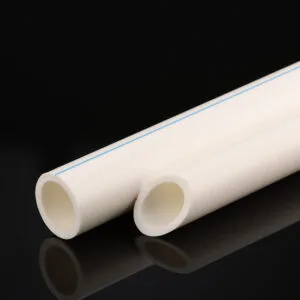
PPR pipe, also known as Polypropylene Random Copolymer pipe, is a type of plastic pipe manufactured from polypropylene random copolymer material. It is designed specifically for transporting water and other fluids under different temperature and pressure conditions.
Unlike ordinary plastic pipes, PPR pipes are engineered to provide better thermal stability and mechanical performance, making them suitable for both cold water and hot water applications.
The main characteristics of PPR pipes include:
- Excellent heat resistance
- Good chemical stability
- Smooth internal surface
- Lightweight structure
- Long service life
- Safe water transportation performance
Because of these advantages, PPR pipes have become a preferred solution for modern plumbing systems.
According to international plastic piping standards, plastic pipes and fittings used for fluid transportation must meet requirements related to material properties, dimensions, pressure performance, and testing procedures. Organizations such as ISO Technical Committee 138 develop international standards covering plastic piping systems for various applications.
Why Are PPR Pipes Popular in Plumbing Systems?
The increasing adoption of PPR pipes is mainly driven by their balance between performance, cost efficiency, and installation convenience.
Excellent Temperature Resistance
One of the biggest advantages of PPR pipes is their ability to handle hot water applications.
Traditional plastic materials may experience performance limitations under high temperatures. PPR pipes are specifically designed to maintain structural stability when exposed to elevated temperatures.
They are commonly used for:
- Hot water supply systems
- Residential heating systems
- Commercial building plumbing
- Industrial water circulation
For projects requiring stable hot water transportation, selecting a suitable hot water PPR pipe solution can improve long-term system reliability.
Corrosion and Chemical Resistance
Metal pipes may experience corrosion when exposed to moisture, oxygen, or certain chemicals. PPR pipes do not rust and provide excellent resistance against many chemical substances.
This makes them suitable for:
- Building water supply
- Industrial fluid transportation
- Chemical-resistant applications
- Long-term plumbing systems
The corrosion-resistant characteristics help reduce maintenance requirements and extend system lifespan.
Smooth Inner Surface and Efficient Water Flow
PPR pipes have a smooth internal wall structure, which helps reduce friction during water transportation.
Benefits include:
- Lower pressure loss
- Better hydraulic efficiency
- Reduced scaling risk
- Stable water flow performance
This is especially important for large residential and commercial projects where water distribution efficiency directly affects user experience.
Lightweight and Easy Installation
Compared with traditional metal piping materials, PPR pipes are lightweight and easier to handle.
Installation advantages include:
- Lower transportation costs
- Faster installation speed
- Reduced labor requirements
- Flexible project application
PPR pipes are usually connected through heat fusion welding, creating reliable joints without the need for complex mechanical connections.
Long Service Life
High-quality PPR piping systems can provide decades of reliable performance when properly designed and installed.
The actual service life depends on:
- Pipe quality
- Operating temperature
- Pressure conditions
- Installation methods
- Maintenance practices
Therefore, choosing a reliable supplier is essential for ensuring consistent performance.
Main Applications of PPR Pipe
PPR pipes are widely used across different industries because they can meet various water transportation requirements.
Residential Water Supply Systems
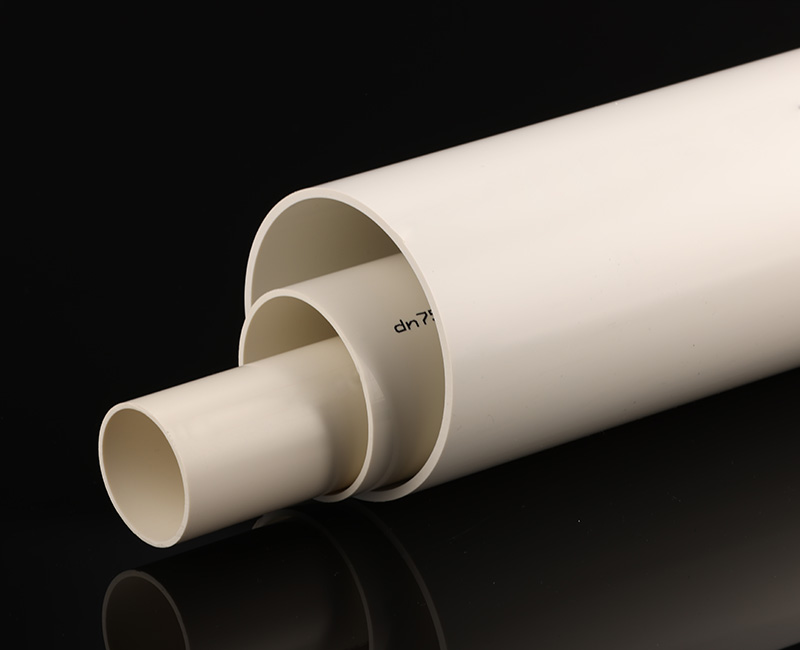
Residential buildings are one of the most common applications for PPR pipes.
They are used for:
- Drinking water distribution
- Bathroom plumbing
- Kitchen water systems
- Hot water pipelines
PPR pipes are preferred in residential projects because they provide:
- Safe water transportation
- Low maintenance requirements
- Quiet operation
- Long-term durability
Commercial Building Plumbing
Commercial facilities require reliable plumbing systems capable of handling high usage demands.
PPR pipes are commonly applied in:
- Hotels
- Office buildings
- Schools
- Hospitals
- Shopping centers
For these projects, contractors usually focus on:
- Installation efficiency
- System reliability
- Maintenance costs
Industrial Water Systems
Industrial applications often require piping materials with stable performance under specific operating conditions.
PPR pipes can be used for:
- Process water
- Cooling systems
- Industrial fluid transportation
- Equipment connection systems
However, engineers should always evaluate chemical compatibility and temperature requirements before selection.
Heating and Hot Water Applications
Because of their temperature resistance, PPR pipes are widely used in heating-related applications.
Common uses include:
- Hot water circulation
- Heating distribution systems
- Building temperature control systems
For projects involving advanced heating requirements, material selection should consider continuous operating temperature and pressure conditions.
PPR Pipe vs PVC Pipe: What Is the Difference?
Many buyers compare PPR pipes and PVC pipes because both are common plastic piping materials. However, they are designed for different applications.
| Comparison Factor | PPR Pipe | PVC Pipe |
|---|---|---|
| Main Application | Hot and cold water supply | Drainage and general piping |
| Temperature Resistance | Higher | Lower |
| Flexibility | Better | More rigid |
| Connection Method | Heat fusion | Solvent cement or mechanical connection |
| Typical Use | Plumbing systems | Drainage systems |
PPR pipes are usually preferred for pressurized water supply systems, while PVC pipes are commonly selected for drainage and wastewater applications.
For drainage-related projects, customers can explore PVC drainage pipe solutions designed for efficient wastewater management.
How to Choose the Right PPR Pipe?
Selecting a PPR pipe requires evaluating several important factors.
Consider Pipe Application
The first step is identifying the intended use.
Different applications require different specifications:
- Cold water supply
- Hot water transportation
- Heating systems
- Industrial applications
A pipe suitable for one application may not perform well in another environment.
Check Pressure Rating
Pressure rating is one of the most important technical factors.
Before purchasing, buyers should confirm:
- Working pressure
- Maximum pressure conditions
- Safety requirements
- Operating environment
Choosing the correct pressure class helps prevent system failures.
Select Appropriate Pipe Size
Pipe diameter directly affects water flow performance.
Incorrect sizing may result in:
- Insufficient flow
- Increased pressure loss
- Higher operating costs
Engineers should consider:
- Building requirements
- Water demand
- Pipeline length
- Future expansion
Evaluate Pipe Quality and Manufacturing Standards
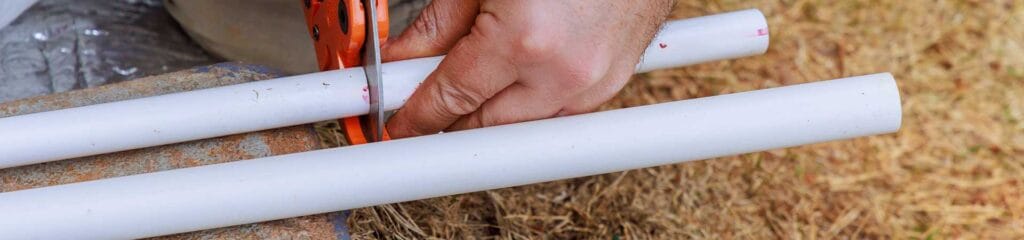
Not all PPR pipes have the same performance.
Professional buyers should evaluate:
- Raw material quality
- Production technology
- Quality inspection procedures
- Manufacturing experience
A reliable manufacturer should have strict control over:
- Material selection
- Pipe dimensions
- Pressure testing
- Product consistency
Importance of PPR Pipe Fittings
A complete PPR piping system includes not only pipes but also fittings and connection components.
High-quality fittings are essential because they directly affect:
- Connection reliability
- Leakage prevention
- System lifespan
When selecting a complete piping solution, buyers should consider professional PPR pipe fittings to ensure compatibility between components.
Common Mistakes When Purchasing PPR Pipes
Choosing Based Only on Price
Low-cost products may reduce initial investment but can create long-term problems.
Potential issues include:
- Poor durability
- Inconsistent dimensions
- Higher failure risk
- Increased maintenance costs
A professional purchasing decision should focus on overall value rather than only initial price.
Ignoring Material Quality
The performance of PPR pipes depends heavily on raw material quality.
Poor-quality materials may affect:
- Pressure resistance
- Temperature performance
- Service life
Reliable manufacturers use controlled production processes and quality inspection systems.
Selecting the Wrong Pipe Specification
Different projects require different specifications.
Important parameters include:
- Diameter
- Wall thickness
- Pressure rating
- Temperature capability
Correct specification selection helps ensure stable operation.
Future Development Trends of PPR Piping Systems
The demand for efficient and durable plumbing systems continues to grow worldwide.
Future trends include:
Higher Performance Materials
Manufacturers continue improving polymer technology to enhance:
- Temperature resistance
- Mechanical strength
- Sustainability
More Customized Solutions
Different construction and industrial projects require customized piping solutions.
Customized PPR systems are increasingly used in:
- Large buildings
- Infrastructure projects
- Industrial facilities
Improved Quality Management
As global projects become more demanding, manufacturers are focusing on:
- Advanced testing methods
- Better production control
- International quality standards
Frequently Asked Questions About PPR Pipe
What does PPR stand for in pipes?
PPR stands for Polypropylene Random Copolymer, a polypropylene material commonly used for water supply and plumbing systems.
Are PPR pipes suitable for hot water?
Yes. PPR pipes are widely used for hot water supply because of their excellent temperature resistance.
How long do PPR pipes last?
High-quality PPR pipes can provide decades of service when properly selected, installed, and maintained.
Are PPR pipes safe for drinking water?
Yes. High-quality PPR pipes are commonly used for drinking water systems because they are corrosion resistant and do not easily contaminate water.
What is the difference between PPR pipe and PVC pipe?
PPR pipes are mainly used for hot and cold water supply, while PVC pipes are commonly used for drainage and wastewater applications.
How do I choose a reliable PPR pipe manufacturer?
Buyers should evaluate manufacturing experience, production capability, quality control systems, customization ability, and technical support.
Conclusion
PPR pipes have become an important solution for modern plumbing systems because they combine durability, temperature resistance, corrosion resistance, and installation efficiency.
From residential water supply to commercial buildings and industrial applications, PPR piping systems provide reliable performance for various projects. However, selecting the correct specification and working with an experienced manufacturer are essential for achieving long-term results.
As a professional PPR pipe manufacturer, Anhui Bihe delivers dependable plastic piping solutions designed to meet different project requirements.
Need help selecting the right PPR pipe system for your project? Contact our team through the Contact Us page for professional recommendations and customized solutions.