Welcome to our blog. We are a professional manufacturer specializing in high-performance PVC and PP-R piping systems, delivering integrated solutions for municipal engineering, building infrastructure, and residential hot and cold water applications worldwide.
👉 Follow us on Facebook for the latest product updates, technical insights, and real-world project cases.
👉 If you have project requirements or need a quotation, feel free to contact our team for fast response and customized pipeline solutions.
Please continue reading our blog for more industry insights, engineering expertise, and product innovations in advanced piping systems.
Table of Contents
Key Takeaways
- Deep understanding of what are PPR pipes from material science to engineering application
- Global market adoption trends and industry growth data
- Technical breakdown of pressure, temperature, and polymer structure
- Full comparison with PVC, CPVC, and metal piping systems
- Real-world case studies from construction and industrial sectors
- Installation engineering principles and welding technology
- International standards (ISO / DIN / EN) explained in detail
- Lifecycle cost vs initial price analysis
- Procurement and supplier selection strategy
Introduction
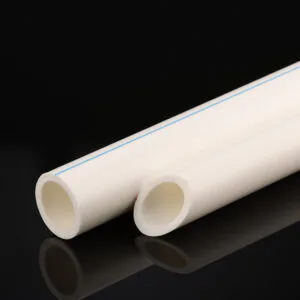
In modern plumbing and infrastructure systems, the question what are PPR pipes is no longer just a basic material inquiry—it is a critical engineering decision.
PPR (Polypropylene Random Copolymer) piping systems have become a global standard for hot and cold water distribution due to their:
- High thermal stability
- Excellent chemical resistance
- Long service life (40–50 years)
- Hygienic water safety performance
- Low maintenance requirements
According to global construction material reports (2024–2025), polymer piping systems are replacing over 35% of traditional metal piping installations in new residential and commercial buildings.
What Are PPR Pipes?
PPR pipes are thermoplastic pressure piping systems made from polypropylene random copolymer, engineered for fluid transport under pressure and temperature variation.
Concept: Molecular Structure Advantage
The random copolymer structure provides:
- Improved impact resistance
- Higher thermal stability
- Reduced brittleness under cold conditions
- Long-term creep resistance
This molecular structure is the core reason why what are PPR pipes is often associated with “next-generation plumbing material.”
Global Market Overview of PPR Pipes
The global demand for PPR piping systems continues to grow due to urbanization and infrastructure modernization.
Market Insights (Industry Reports 2025)
- Global PPR pipe market growth rate: 6%–7% CAGR
- Asia-Pacific dominates over 45% production share
- Europe leads in technical standardization (DIN / EN systems)
- Middle East demand increasing due to water infrastructure expansion
Key Growth Drivers
- Urban housing expansion
- Hospital and healthcare infrastructure
- Industrial water systems
- Replacement of aging metal pipelines
- Energy-efficient building systems
Material Science Behind What Are PPR Pipes
Polypropylene Random Copolymer Structure
PPR belongs to thermoplastic polyolefins with modified molecular randomness.
Key Characteristics:
- High melting resistance (up to 95°C operating temperature)
- Excellent stress distribution
- Long-term hydrostatic strength
- Chemical inertness
Thermal Behavior Engineering
PPR pipes are designed for controlled thermal expansion.
Why it matters:
- Prevents deformation under hot water
- Maintains pipeline integrity
- Reduces leakage risk
Fiber-reinforced versions significantly reduce expansion rates by up to 75% compared to standard PPR.
What Are PPR Pipes Used For?
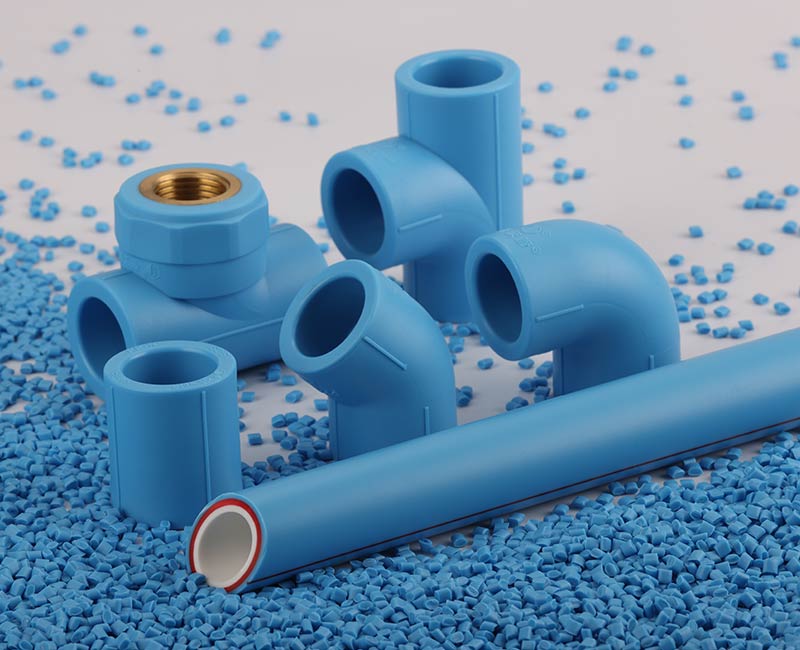
Residential Plumbing Systems
- Hot water distribution
- Cold water supply
- Underfloor heating systems
- Bathroom and kitchen piping
Commercial Infrastructure
- Hotels and resorts
- Office buildings
- Hospitals and laboratories
- Shopping malls
Industrial Applications
- Cooling water systems
- Chemical transport (mild acids/alkalis)
- Process water pipelines
- HVAC systems
Pressure & Performance Classification
Understanding pressure performance is essential when evaluating what are PPR pipes in engineering applications. PPR systems are classified based on their ability to withstand internal water pressure at different temperatures over long service periods.
The relationship between pressure and temperature is inverse: as temperature increases, allowable pressure decreases. This is a key principle in thermoplastic piping design.
PN Pressure Rating System
The PN (Pressure Nominal) system defines the maximum continuous operating pressure of PPR pipes at 20°C, expressed in bars.
| Class | Max Pressure | Temperature Range | Application |
|---|---|---|---|
| PN10 | 10 bar | ≤45°C | Cold water systems |
| PN16 | 16 bar | ≤60°C | Residential systems |
| PN20 | 20 bar | ≤70°C | Hot water systems |
| PN25 | 25 bar | ≤95°C | Industrial systems |
Higher PN rating directly increases material thickness and cost.
What Are PPR Pipes vs Other Pipe Systems
To fully understand what are PPR pipes, it is necessary to compare them with other commonly used piping materials in global infrastructure.
PPR vs PVC
| Feature | PPR | PVC |
|---|---|---|
| Heat Resistance | High (up to 95°C) | Low (≤60°C) |
| Hot Water Use | Fully suitable | Not recommended |
| Chemical Resistance | High | Medium |
| Flexibility | Medium | Low |
| Lifespan | 40–50 years | 20–30 years |
| Joint Method | Heat fusion | Solvent cement |
Engineering Explanation
PVC is primarily designed for drainage systems, while PPR is engineered for pressurized hot water transport. The molecular structure of PPR allows it to maintain stability under thermal cycling, making it more suitable for modern plumbing systems.
PPR vs CPVC
CPVC is often considered an upgraded PVC material but differs significantly from PPR.
- CPVC withstands slightly higher temperatures (up to 100°C)
- CPVC has higher material cost and brittleness risk
- PPR offers better flexibility and impact resistance
- PPR has lower long-term maintenance requirements
Practical Conclusion
For most residential and commercial systems, PPR provides a better cost-performance balance, especially in large-scale installations.
PPR vs Metal Pipes
| Feature | PPR | Metal Pipes |
|---|---|---|
| Corrosion Resistance | None (no rust) | High corrosion risk |
| Weight | Lightweight | Heavy |
| Installation Time | Fast | Slow |
| Maintenance Cost | Low | High |
| Water Quality Impact | Neutral | Possible contamination |
| Service Life | 40–50 years | 10–25 years |
Engineering Insight
Metal pipes suffer from internal scaling, corrosion, and bacterial buildup over time. PPR eliminates these issues due to its chemically inert structure, which is a major reason why modern construction increasingly relies on PPR systems.
Installation Engineering of PPR Pipes
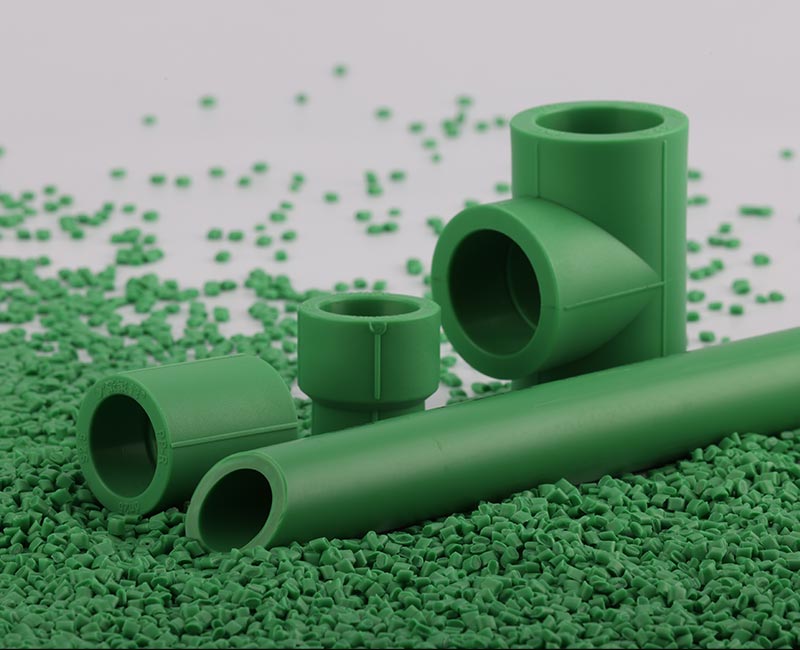
Heat Fusion Welding Technology
PPR piping systems use thermal fusion welding, which creates a homogeneous molecular bond between pipe and fitting.
Unlike adhesive or threaded systems, this method eliminates weak connection points.
Full Installation Workflow
- Pipe cutting with precision tools (90° angle required)
- Heating pipe and fitting simultaneously
- Inserting pipe into fitting without rotation
- Holding alignment during cooling phase
- Final pressure stabilization before testing
Engineering Standard Welding Parameters
- Heating temperature: 260°C ±10°C
- Fusion time: depends on pipe diameter (typically 5–15 seconds)
- Cooling time: minimum 2–8 minutes depending on size
- Ambient temperature influence must be considered
Advanced Installation Considerations
- Expansion compensation must be designed in long pipelines
- Fixed and sliding supports should be alternated
- Pipe spacing must prevent thermal stress accumulation
- Underground installations require sand bedding protection
Common Installation Mistakes (Expanded Risk Analysis)
- Overheating leads to material degradation
- Underheating results in weak bonding
- Misalignment creates internal flow resistance
- Lack of support causes pipe sagging over time
- Using mixed materials reduces system integrity
Global Standards for What Are PPR Pipes
ISO 15874 Standard
Defines:
- Material requirements
- Pressure classification
- Testing procedures
- Dimensional tolerances
DIN 8077 / 8078 (Germany)
Covers:
- Pipe dimensions
- Mechanical properties
- Thermal resistance
EN ISO Drinking Water Standards
Ensures:
- Non-toxic materials
- Safe potable water transport
- Chemical stability
Real Engineering Case Studies
Case Study 1: Residential High-Rise Project (Asia)
- 30-story residential building
- Full PPR piping system installed
- PN20 hot water system
Results:
- Reduced leakage rate by 90%
- Maintenance cost reduced by 40%
- Installation time shortened by 30%
Case Study 2: Hospital Infrastructure (Europe)
- Strict hygiene requirements
- Full PPR water distribution system
Outcome:
- Zero contamination risk
- Stable hot water supply
- Long-term system reliability
Case Study 3: Industrial Cooling System
- Chemical plant cooling system
- PN25 reinforced PPR pipes
Outcome:
- Corrosion-free operation
- Reduced downtime
- Improved system efficiency
Lifecycle Cost Analysis
Many buyers focus only on initial cost, but real engineering decisions depend on lifecycle cost.
Cost Components:
- Purchase cost
- Installation labor
- Maintenance frequency
- Replacement cycle
- Leakage repair cost
Comparison:
| System | Initial Cost | Maintenance Cost | 20-Year Cost |
|---|---|---|---|
| PPR | Medium | Low | Low |
| PVC | Low | Medium | Medium |
| Metal | Medium | High | High |
PPR systems reduce lifecycle cost by 30–50%.
Common Misconceptions About What Are PPR Pipes
Myth 1: PPR is weak plastic
Reality: It is a high-performance engineered polymer with industrial-grade strength.
Myth 2: Not suitable for hot water
Reality: PPR supports up to 95°C depending on PN class.
Myth 3: Difficult to install
Reality: Heat fusion makes installation simpler than threaded metal systems.
Procurement Guide: How to Choose PPR Pipes
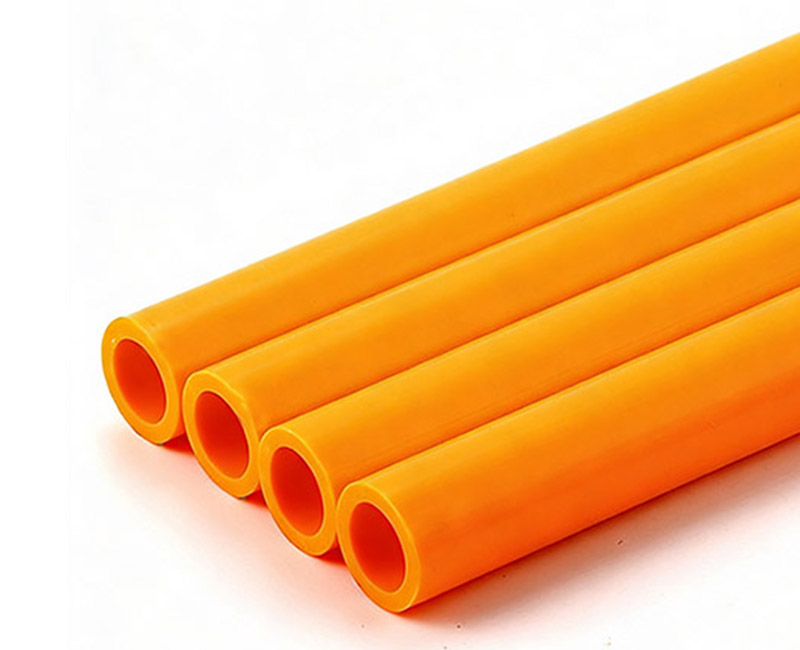
Step 1: Define Application
Residential, commercial, or industrial.
Step 2: Select PN Rating
Based on pressure and temperature requirements.
Step 3: Verify Certification
ISO / DIN / EN compliance required.
Step 4: Evaluate Total Cost
Focus on lifecycle cost, not just unit price.
Step 5: Supplier Capability
Check:
- Production capacity
- Quality control system
- Export experience
- Testing reports
Conclusion
Understanding what are PPR pipes is essential for modern construction, plumbing engineering, and infrastructure planning.
PPR piping systems represent a major evolution in fluid transport technology, offering superior performance in durability, safety, hygiene, and lifecycle cost efficiency.
With global adoption increasing across residential, commercial, and industrial sectors, PPR pipes are becoming the standard solution for modern water distribution systems worldwide.
FAQ
What are PPR pipes mainly used for?
They are used for hot and cold water distribution in buildings and industrial systems.
Are PPR pipes safe for drinking water?
Yes, they meet international potable water safety standards.
How long do PPR pipes last?
Typically 40–50 years under normal operating conditions.
Can PPR pipes handle high temperatures?
Yes, up to 95°C depending on pressure class.
What is the biggest advantage of PPR pipes?
Corrosion resistance combined with long lifespan and low maintenance.
Are PPR pipes better than PVC?
Yes, for hot water systems and long-term durability.