Welcome to our blog. We are a professional manufacturer specializing in high-performance PVC and PP-R piping systems, delivering integrated solutions for municipal engineering, building infrastructure, and residential hot and cold water applications worldwide.
👉 Follow us on Facebook for the latest product updates, technical insights, and real-world project cases.
👉 If you have project requirements or need a quotation, feel free to contact our team for fast response and customized pipeline solutions.
Please continue reading our blog for more industry insights, engineering expertise, and product innovations in advanced piping systems.
Table of Contents
Key Takeaways
- Learn what PE-RT pipe is and its essential features for residential, commercial, and industrial applications.
- Compare PE-RT pipe with other common piping materials like PEX, PVC, and copper.
- Understand installation best practices, maintenance, and troubleshooting.
- Discover international standards, certifications, and environmental considerations.
- Explore case studies, industry news, and innovations shaping the future of PE-RT piping.
Introduction
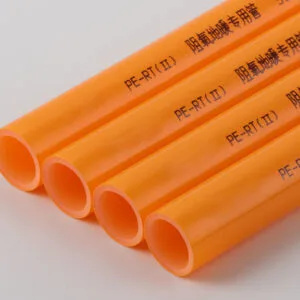
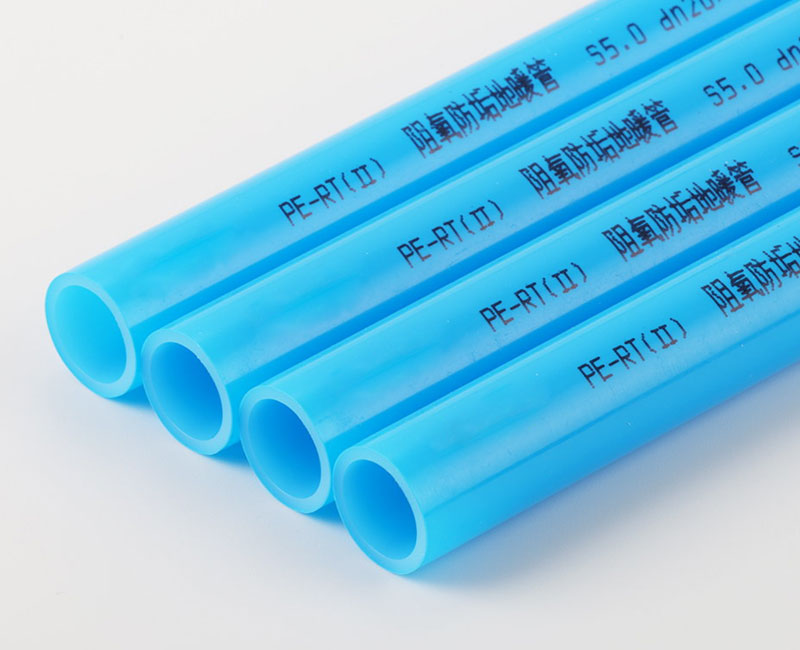
In today’s modern construction and plumbing industry, choosing the right piping system is critical for durability, safety, and efficiency. PE-RT pipes, or Polyethylene of Raised Temperature Resistance, have emerged as a leading choice for both hot and cold water systems. Unlike traditional rigid piping materials, PE-RT pipes combine flexibility, chemical resistance, and high-temperature tolerance, allowing for faster installation, lower maintenance, and longer service life.
The rise of smart buildings, urban retrofitting projects, and eco-friendly infrastructure has further increased the demand for PE-RT pipe. According to a 2023 white paper by the International Water Association, flexible polymer pipes like PE-RT now account for over 35% of new residential water installations globally, demonstrating their growing adoption.
Core Benefits of PE-RT Pipe
High-Temperature and Pressure Resistance
PE-RT pipes can reliably operate at temperatures up to 95°C (203°F) and pressures ranging from 10 to 16 bar, making them ideal for domestic hot water and radiant heating systems. The material’s molecular structure provides resistance to thermal expansion and creep, ensuring long-term dimensional stability.
Example: A residential installation in Berlin using PE-RT pipe reported zero leaks over five years in high-temperature underfloor heating systems, compared to traditional copper systems that required occasional solder joint repairs.
Superior Flexibility for Complex Installations
The flexibility of PE-RT pipe allows installers to bend pipes without using multiple fittings, reducing labor costs and potential leak points. This property is especially beneficial in tight spaces, retrofits, or renovation projects where rigid pipes like PVC or copper may be cumbersome.
Corrosion and Chemical Resistance
PE-RT pipes are inherently resistant to corrosion, scaling, and most household chemicals. Unlike metal pipes, which can corrode over time, PE-RT maintains integrity even in areas with slightly acidic or alkaline water.
Applications of PE-RT Pipe
Residential Water Supply Systems
PE-RT pipes are increasingly preferred for hot and cold water distribution in modern homes. The reduced number of joints decreases potential leak points and improves system longevity.
Radiant Floor Heating Systems
Thanks to high thermal resistance and flexibility, PE-RT is widely used for hydronic underfloor heating, providing uniform heat distribution and long-lasting performance.
Industrial and Commercial Uses
PE-RT pipes can handle light industrial applications such as compressed air systems, cooling circuits, and certain chemical transport systems. Their durability under pressure and temperature variations makes them suitable for commercial buildings and light manufacturing plants.
Comparing PE-RT Pipe With Other Piping Materials
When selecting piping systems, understanding the strengths and limitations of various materials is critical. PE-RT, PEX, PVC, and copper each have unique properties that make them suitable for different applications.
PE-RT vs PEX
| Feature | PE-RT | PEX |
|---|---|---|
| Max Operating Temp | 95°C | 90°C |
| Flexibility | High | Moderate |
| Chemical Resistance | Excellent | Good |
| UV Sensitivity | Moderate | Moderate |
| Lifespan | 50+ years | 50+ years |
| Ease of Installation | Very easy, fewer fittings | Requires additional fittings |
Analysis: PE-RT often offers superior flexibility and slightly higher thermal tolerance, making it ideal for complex installations.
PE-RT vs PVC
PVC is rigid, suitable for cold water and drainage, but not recommended for hot water applications. PE-RT is more flexible and temperature-resistant, making it a better choice for modern plumbing and heating systems.
PE-RT vs Copper
Copper offers longevity and antimicrobial properties but is expensive and labor-intensive to install. PE-RT provides similar lifespan potential with lower costs and easier handling.
Installation Best Practices
Handling and Storage
- Store away from direct sunlight to prevent UV degradation.
- Avoid sharp bends that could compromise structural integrity.
- Keep pipes in dry conditions to reduce contamination risk.
Cutting and Joining
- Use appropriate pipe cutters to ensure clean cuts.
- Connections are made with compression fittings, expansion-sleeve systems, or press fittings depending on application.
Pressure Testing
- Test the system according to local plumbing standards.
- Recommended test: 1.5× operating pressure for at least 1 hour.
Maintenance Guidelines
Routine Inspection
- Check every 6–12 months for kinks, mechanical damage, and wear.
- Inspect joints and fittings for leaks.
Cleaning and Flushing
- Annual flushing removes sediment and maintains flow.
- High-pressure water or chemical cleaning agents can be used in industrial applications.
Modular Replacement
- PE-RT systems allow replacing sections individually, reducing labor and disruption.
Technical Specifications of PE-RT Pipe
| Specification | Value |
|---|---|
| Material | Polyethylene of Raised Temperature Resistance (PE-RT) |
| Max Temperature | 95°C |
| Max Pressure | 10–16 bar |
| Standard Sizes | 16mm – 63mm (OD) |
| Wall Thickness | SDR 7.4 – SDR 11 |
| Life Expectancy | 50 years |
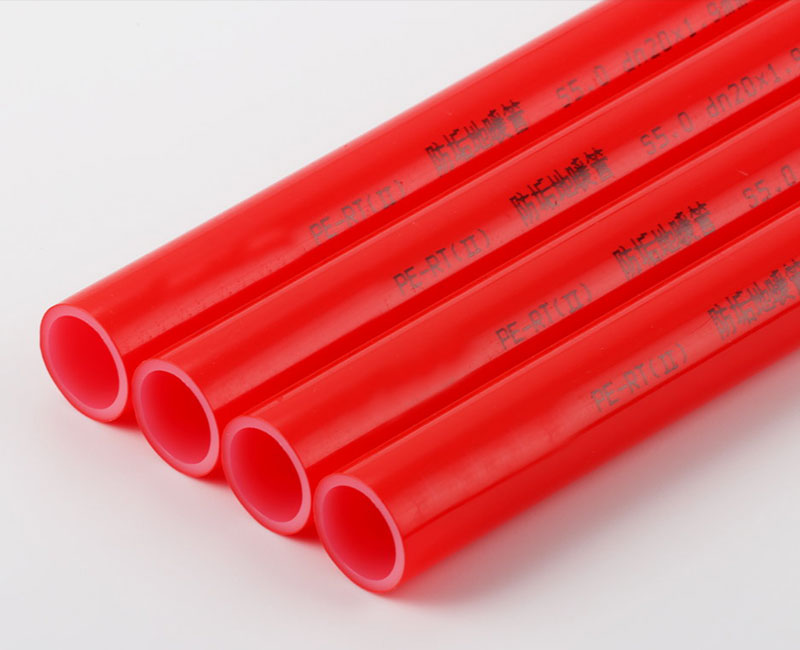
| Color Options | Blue (cold), Red (hot) |
These specifications follow EN ISO 15875 and ASTM F2769 standards, ensuring compliance for residential, commercial, and industrial applications.
Environmental and Economic Considerations
Life-Cycle Cost Analysis
Investing in PE-RT pipe reduces long-term costs due to:
- Fewer maintenance interventions
- Lower energy costs in radiant heating
- Reduced risk of water damage
Sustainable Manufacturing Practices
- Recycled polymer content reduces environmental footprint.
- Energy-efficient production processes minimize carbon emissions.
Regulatory Compliance
- Certified under NSF/ANSI 14 and 61 for potable water applications.
- Complies with ISO and ASTM international standards.
Innovations and Industry Trends
Smart Plumbing Integration
- PE-RT pipes are increasingly integrated with IoT sensors for real-time monitoring of flow, pressure, and temperature.
- Supports predictive maintenance and early leak detection.
Advanced Coatings and Alloys
- Research is ongoing to enhance UV resistance, chemical stability, and antimicrobial properties.
- Some manufacturers provide multi-layer PE-RT composite pipes for specialized industrial applications.
Case Studies
- New York City Retrofits: Over 100 buildings were upgraded with PE-RT hot water piping, resulting in 30% faster installation and reduced water damage claims.
- Berlin Residential Heating: Retrofitting 500 apartments with radiant heating using PE-RT pipes showed consistent temperature performance over 5 years.
Key Considerations When Choosing PE-RT Pipe
Project Type
- Residential: small diameters (16–25mm) are sufficient.
- Commercial/Industrial: larger diameters (32–63mm) and higher SDR for pressure tolerance.
Water Quality
- Evaluate for hardness, chemical composition, and potential scaling.
Installation Environment
- Indoor vs outdoor applications, UV exposure, and retrofitting considerations.
FAQ
Q1: What is the lifespan of PE-RT pipe?
A1: Typically 50 years under normal operating conditions with proper installation.
Q2: Can PE-RT pipe handle hot water systems?
A2: Yes, designed for temperatures up to 95°C, ideal for domestic hot water and radiant floor heating.
Q3: Is PE-RT pipe safe for drinking water?
A3: Yes, certified under NSF/ANSI standards for potable water.
Q4: How does PE-RT compare with PEX pipe?
A4: PE-RT offers higher flexibility and temperature tolerance; PEX is widely used for residential applications with similar lifespan.
Q5: Can PE-RT pipe be recycled?
A5: Yes, it is fully recyclable and supports sustainable building practices.
Q6: Are there any temperature limitations for PE-RT in industrial use?
A6: Continuous operation up to 95°C; short-term peaks can tolerate slightly higher temperatures, but always consult manufacturer specifications.
Q7: How should PE-RT pipe be stored before installation?
A7: Keep pipes in dry, shaded areas away from UV exposure and avoid heavy stacking to prevent deformation.
Q8: Can PE-RT pipe be bent without fittings?
A8: Yes, within the recommended bending radius; this reduces the need for additional fittings.